
Sedation for Adults: Which Dental Procedures Can Be Done in One Visit?
Dental sedation can help adult patients undergo longer or more complex treatment comfortably and, in some cases, allows several dental procedures to be combined into a single visit. Treatment of multiple teeth, root canal therapy, tooth extractions, dental implant placement, professional cleaning, or preparatory stages of prosthetic treatment may be performed during one appointment. However, the amount of treatment is determined individually: the dentist considers the patient's general health, the complexity of the procedures, the expected treatment duration, and the type of sedation used. In dental clinics in Dubai, comprehensive treatment under sedation is planned in advance following appropriate diagnostics and medical risk assessment.

What Is Sedation in Dentistry?
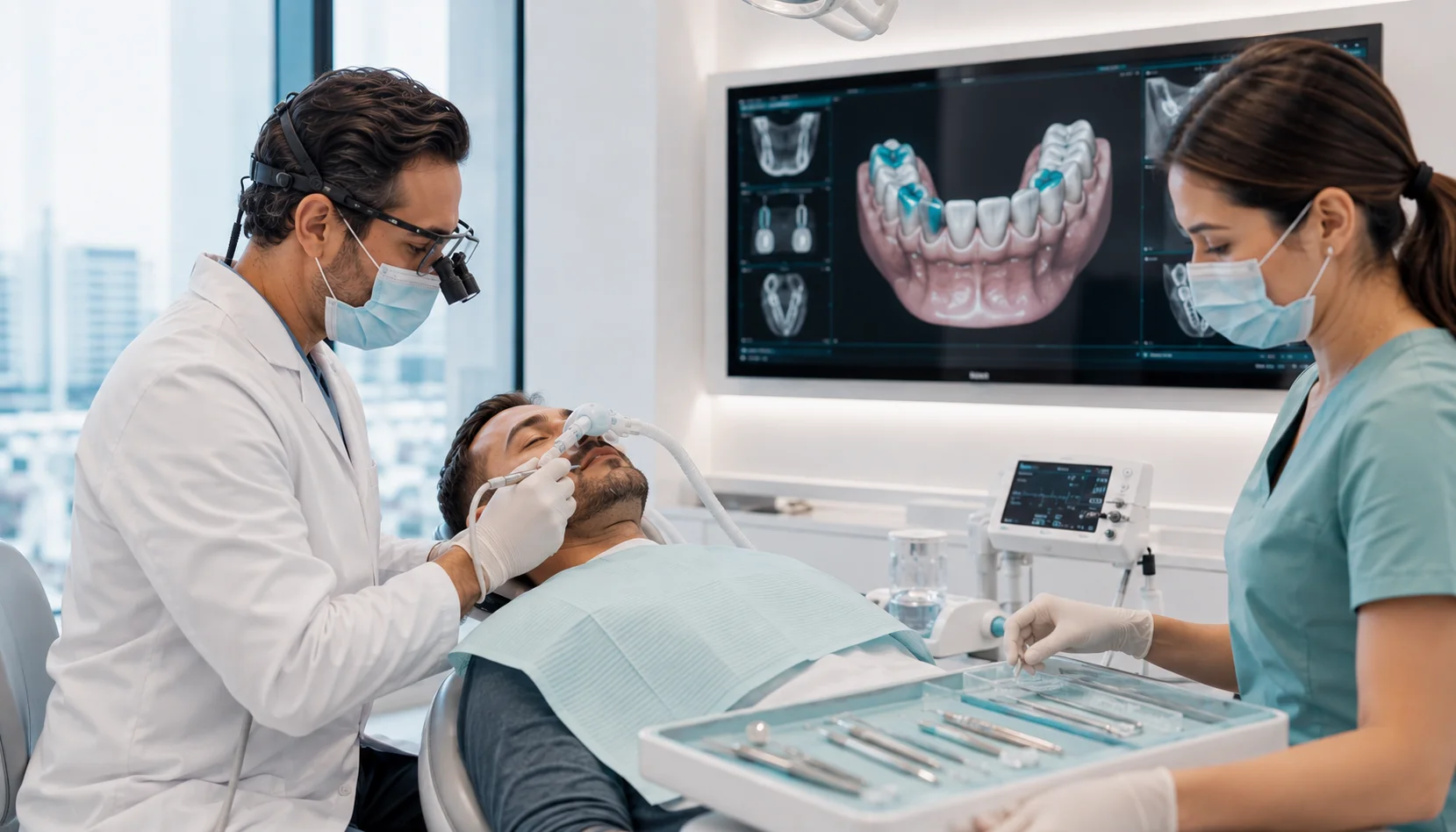
Sedation is the use of medication to reduce anxiety and emotional stress during dental treatment. Depending on the method and level of sedation, the patient may remain fully responsive or enter a deeper state of medically controlled relaxation.
It is important to distinguish sedation from local anesthesia. Sedation primarily helps manage fear, anxiety, and the discomfort associated with prolonged treatment, while local anesthesia blocks pain sensation directly in the area being treated.
For this reason, the two methods are commonly used together during many dental procedures.
Who May Benefit From Dental Treatment Under Sedation?
Sedation is not necessary for every patient. It may be considered when conventional dental treatment causes significant discomfort or when a large amount of treatment needs to be completed.
Possible indications include:
- severe dental anxiety or fear;
- a strong gag reflex;
- difficulty remaining in the dental chair for extended periods;
- the need for multiple dental procedures;
- complex surgical treatment;
- previous negative dental experiences;
- the need to reduce emotional stress during treatment.
The decision is made after evaluating the patient's general health and the planned dental procedures.
Which Dental Procedures Can Be Combined in One Visit?
One of the advantages of sedation is that it can make longer treatment sessions more comfortable. However, the goal should not simply be to perform as many procedures as possible at once.
Several compatible procedures may sometimes be planned during the same appointment.
Treatment of Multiple Teeth
When a patient has multiple cavities or several restorations that need to be replaced, treatment may sometimes be combined into one longer appointment.
This can reduce the number of separate visits to the dental clinic.
Root Canal Treatment
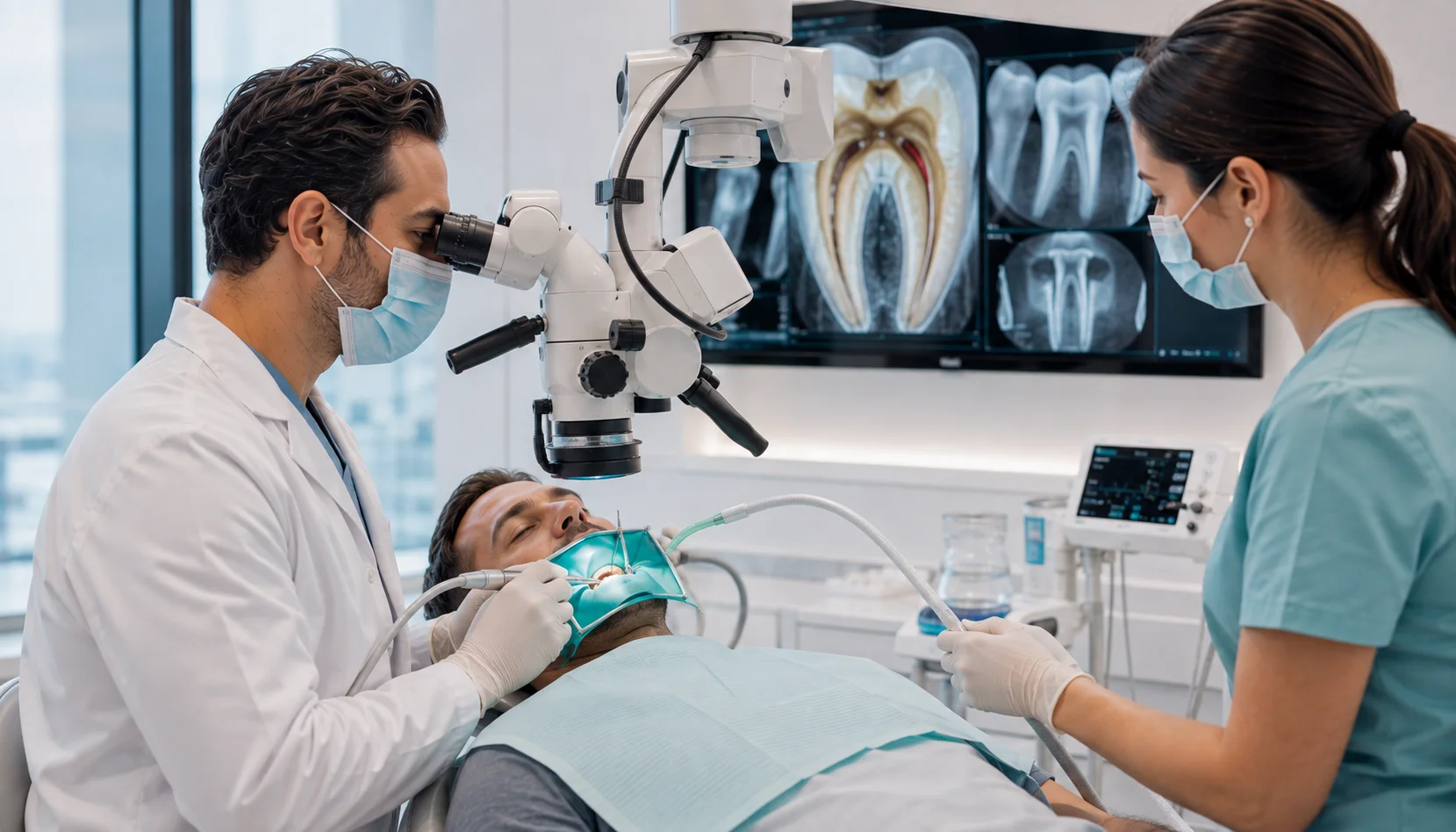
Root canal treatment requires precision and may take a considerable amount of time. Sedation can help the patient remain more comfortable while the dentist performs detailed endodontic procedures.
Whether treatment of a particular tooth can be fully completed during one appointment depends on the clinical situation.
Tooth Extractions
One or several teeth, including wisdom teeth, may sometimes be removed during the same visit if this amount of treatment is medically appropriate.
The number of teeth that can be safely extracted is determined by the oral surgeon after diagnostic evaluation.
Dental Implant Placement
Sedation may be used for the placement of one or several dental implants as well as for certain associated surgical procedures.
The need for bone grafting, tooth extraction, or other interventions is assessed in advance using clinical and radiographic diagnostics.
Professional Cleaning and Gum Treatment
For patients with significant dental anxiety or sensitivity, sedation may sometimes make professional dental cleaning or prolonged periodontal treatment more comfortable.
Can Tooth Extraction and Implant Placement Be Combined?
In selected clinical situations, yes.
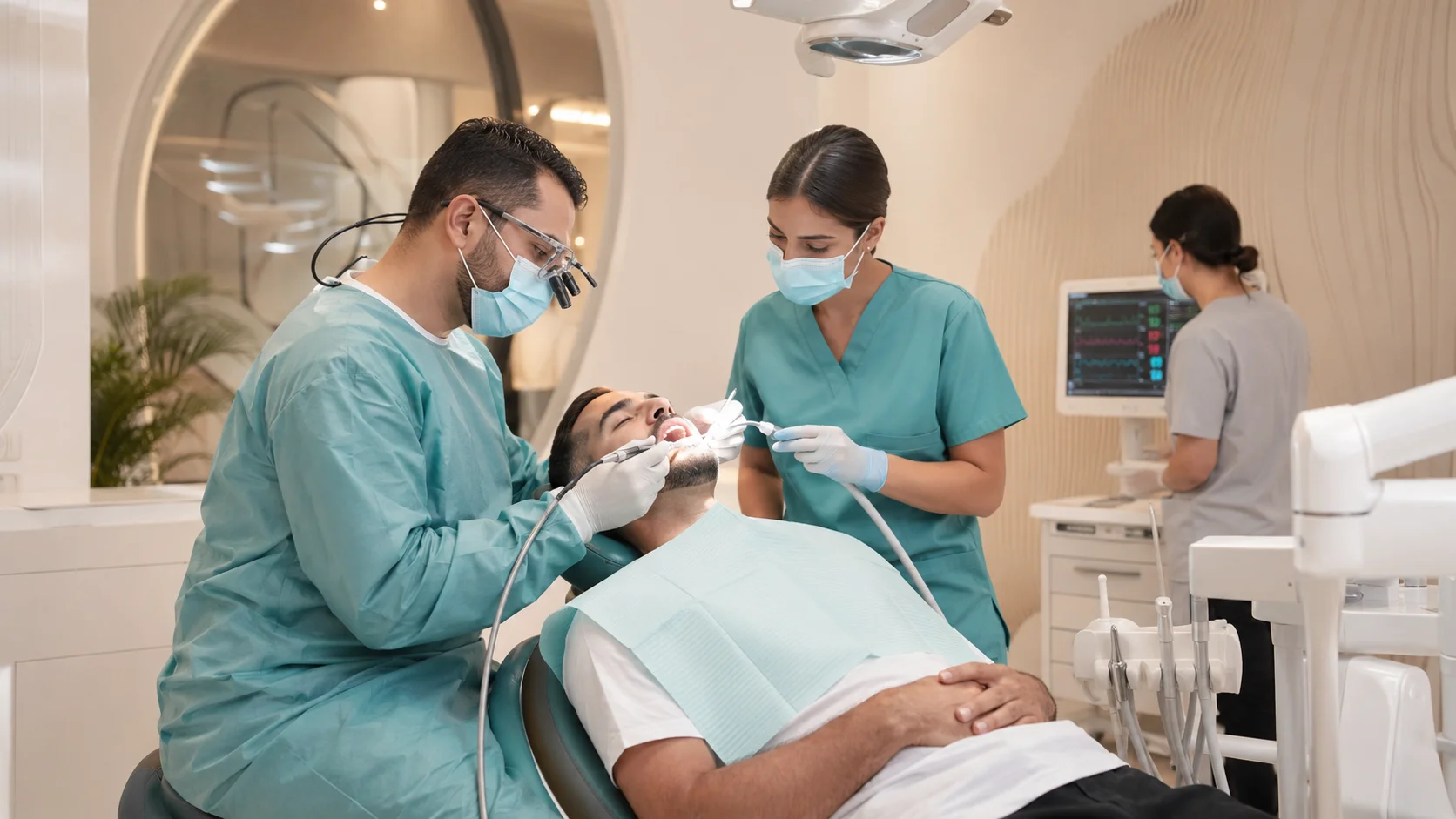
With immediate implant placement, the tooth is removed atraumatically and a dental implant is placed during the same surgical appointment.
Before recommending this approach, the dentist needs to evaluate:
- the condition of the surrounding bone;
- the anatomy of the extraction site;
- the condition of the soft tissues;
- the presence and characteristics of inflammation;
- the possibility of achieving primary implant stability.
Sedation can make this type of combined surgical treatment more comfortable, but sedation itself is not an indication for immediate implant placement.

How Many Procedures Can Realistically Be Completed in One Appointment?
There is no universal number.
The appropriate amount of treatment is determined according to:
- the patient's general health;
- the type and depth of sedation;
- the expected duration of the procedures;
- surgical complexity;
- the amount of local anesthesia required;
- the need for postoperative observation;
- compatibility between different stages of treatment.
| Clinical Task | Can It Be Done in One Visit? |
|---|---|
| Treatment of multiple teeth | Often possible |
| Root canal treatment | Possible in appropriate cases |
| Multiple tooth extractions | Possible when indicated |
| Tooth extraction + implant placement | Possible under suitable conditions |
| Placement of several implants | Possible after careful planning |
| Comprehensive full-mouth rehabilitation | Usually divided into several stages |
Treatment safety and quality should always take priority over reducing the number of appointments.
How Is Longer Dental Treatment Under Sedation Planned?
Comprehensive dental treatment begins with diagnostics, not with sedation itself.
Before the procedure, the patient may require:
- a comprehensive dental examination;
- dental X-rays or CBCT when clinically indicated;
- intraoral scanning;
- planning the sequence of procedures;
- review of the patient's medical history;
- assessment of current medications;
- additional examinations when medically indicated.
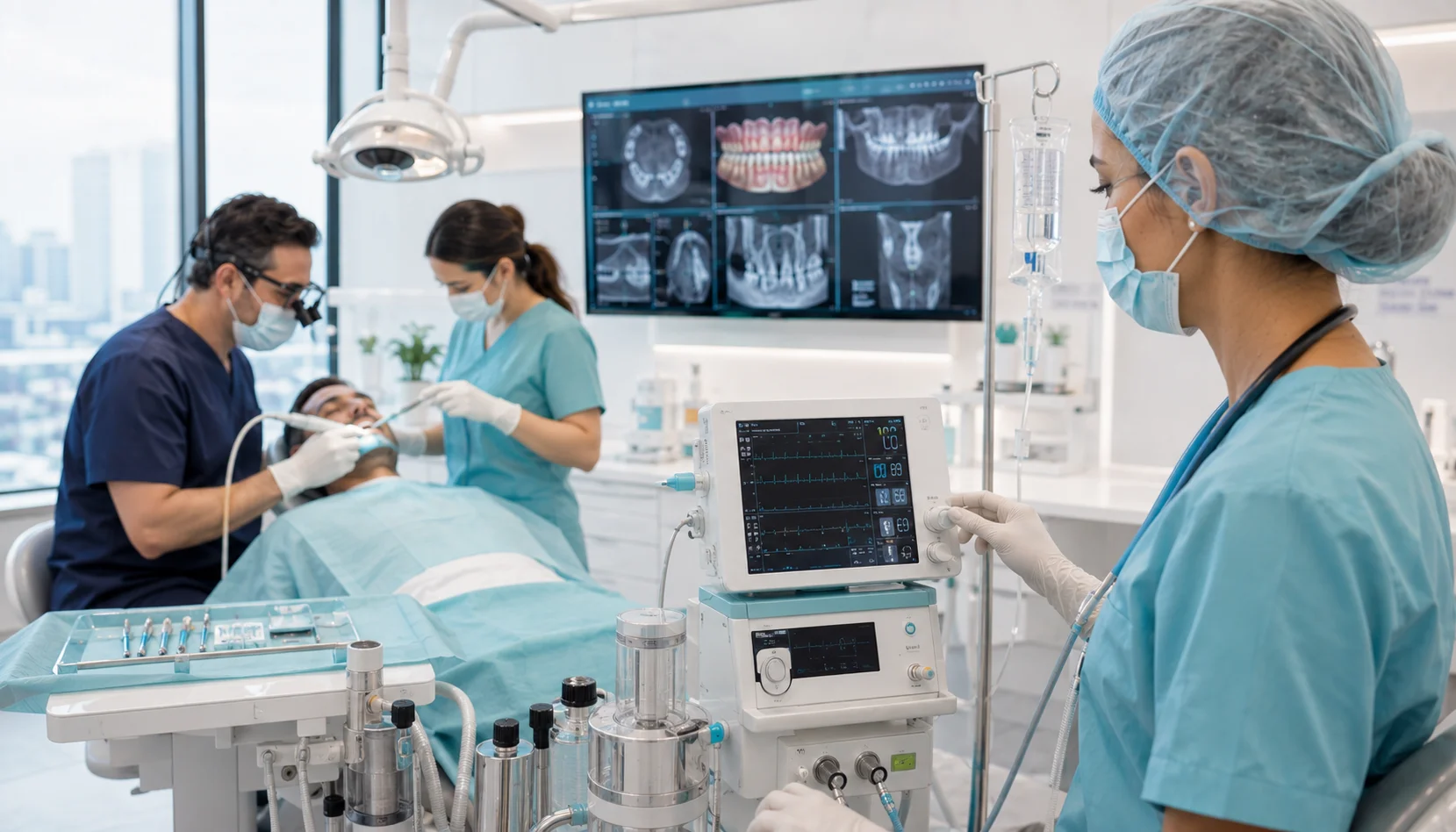
In modern dental clinics in Dubai, digital treatment planning helps determine which procedures can reasonably be combined and which stages are safer or more predictable when performed during separate appointments.
What Types of Sedation Are Used for Adults?
The appropriate method depends on the planned procedure, expected treatment duration, level of anxiety, and the patient's general health.
Dental sedation may include:
- minimal sedation;
- inhalation sedation;
- intravenous (IV) sedation;
- other medically appropriate methods of anxiety control when indicated.
The required depth of sedation and level of patient monitoring are determined by the medical team.
Sedation should not be viewed as a universal way to simply "sleep through" all dental treatment. The specific method should be selected individually following a consultation.

How Is Sedation Different From General Anesthesia?
They are different methods.
With sedation, the patient's level of consciousness depends on the depth of sedation. With lighter forms, the patient remains responsive and can follow the dentist's instructions.
With general anesthesia, the patient is in a medically controlled state of unconsciousness, which requires a different level of medical support and monitoring.
The appropriate method is selected not only according to patient preference but also according to the type of treatment and medical indications.
What Happens After Treatment?
After the procedure is completed, the patient remains under observation by the medical team for an appropriate period.
Depending on the type of sedation used, temporary restrictions may apply to driving, operating machinery, and making important decisions. After certain forms of sedation, the patient may need to be accompanied home by another adult.
The dentist or medical team provides specific instructions in advance because recovery requirements vary depending on the medications and depth of sedation.
Dental sedation can make longer dental procedures more comfortable and, in appropriate cases, allow several treatments to be combined into a single appointment. However, the primary goal is not to perform the maximum number of procedures in one day, but to complete each stage safely and to a high clinical standard. The amount of treatment, method of pain control, and type of sedation should therefore be determined individually after diagnostics and review of the patient's medical history.
If dental anxiety has caused you to postpone treatment, or you would like to know whether several necessary procedures can be combined into one visit, contact Factor Smile in Dubai. Our specialists will perform a comprehensive assessment, determine an appropriate scope of treatment, and develop an individualized plan for sedation and dental procedures based on your general health and clinical needs.
Frequently Asked Questions