
Can Gum Disease Be Treated Without Surgery?
Yes, many gum diseases at early and moderate stages can be treated without surgery. Professional dental cleaning, deep cleaning of the root surfaces, bacterial plaque control, and management of contributing risk factors can reduce inflammation and stabilize periodontal tissues. However, when there is significant bone loss, deep periodontal pockets, or complex tissue defects, conservative treatment alone may not be sufficient. In modern dental clinics in Dubai, the treatment approach is selected after a comprehensive periodontal assessment, with surgery recommended only when clinically necessary.
Which Gum Diseases Can Be Treated Without Surgery?
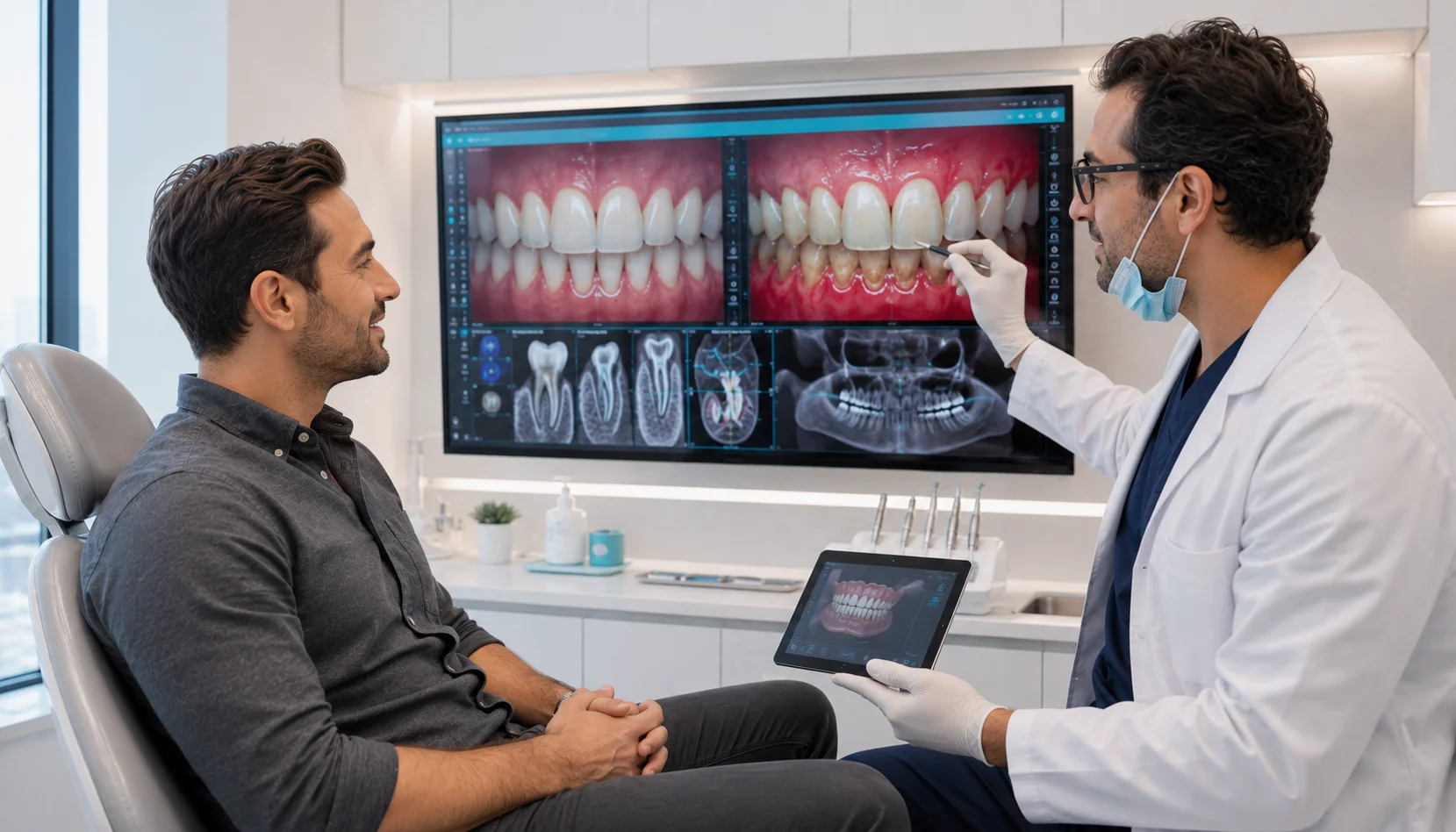
The most common gum diseases are gingivitis and periodontitis. Both are associated with an inflammatory response to bacterial plaque, but they differ in the extent of tissue damage.
Gingivitis primarily affects the gums and is usually reversible when diagnosed and treated promptly.
Periodontitis involves damage to the structures that support the teeth, including the periodontal ligament and alveolar bone. Bone already lost because of periodontitis cannot simply be restored through professional cleaning. However, in many cases, the disease can be stabilized and controlled without surgery.
Possible warning signs include:
- bleeding when brushing or flossing;
- red or swollen gums;
- persistent bad breath;
- gum recession and teeth appearing longer;
- tooth sensitivity;
- periodontal pocket formation;
- tooth mobility.
The absence of pain does not mean that the gums are healthy. Periodontitis can progress for a long time with few noticeable symptoms.
How Does Gum Disease Treatment Begin?
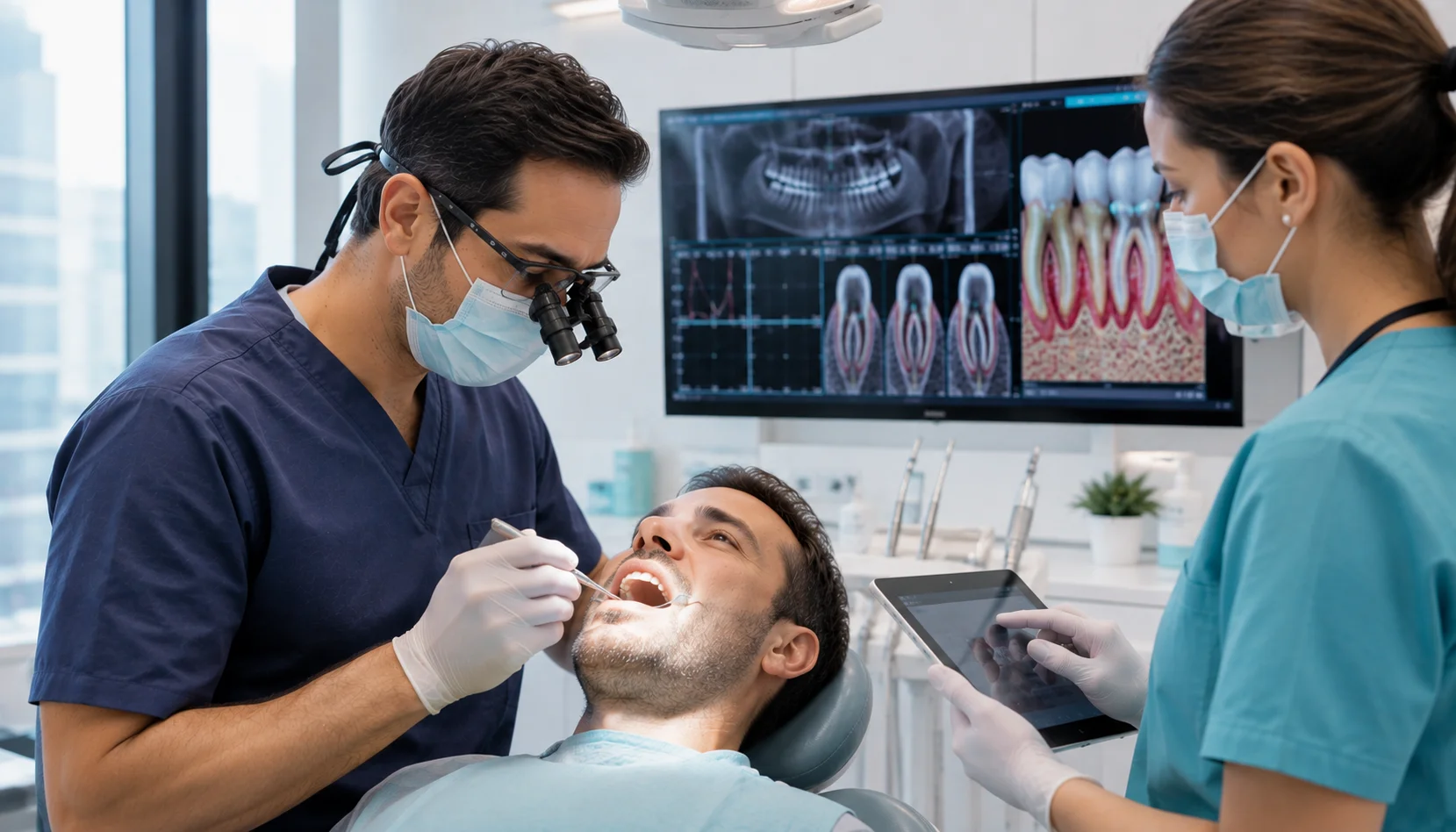
The first step is not a procedure but an accurate diagnosis. The dentist or periodontist needs to determine the nature of the inflammation and the extent of tissue damage.
A periodontal assessment may include:
- examination of the teeth and gums;
- measurement of periodontal pocket depth;
- assessment of gum bleeding;
- evaluation of gum recession and tooth mobility;
- dental X-rays;
- Cone Beam Computed Tomography (CBCT) in selected cases;
- assessment of the patient's daily oral hygiene.
An individualized treatment plan is then developed. Treatment for gingivitis will differ significantly from the approach required for advanced periodontitis.
How Does Non-Surgical Gum Treatment Work?
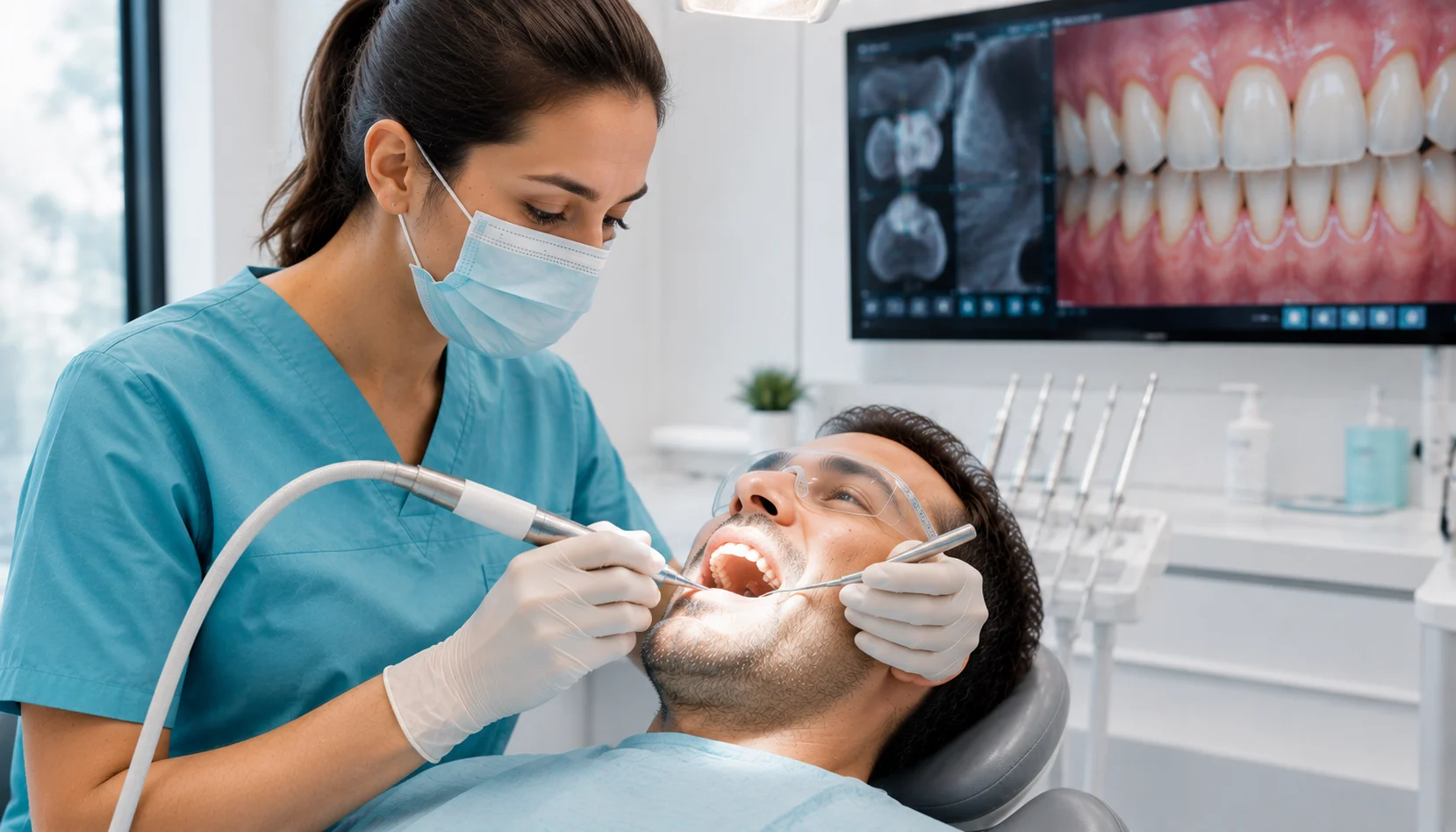
The main goal of conservative periodontal therapy is to remove bacterial plaque and calculus, including deposits located below the gum line, and create conditions in which inflammation can be effectively controlled.
Treatment may include several approaches.
Professional Dental Cleaning
Soft plaque and hardened dental calculus are removed. The dentist or hygienist also explains how to clean difficult areas effectively at home.
Deep Cleaning of the Root Surfaces
Patients with periodontitis may require subgingival cleaning known as scaling and root planing. This procedure removes bacterial biofilm and hardened deposits from periodontal pockets and root surfaces.
Improving Daily Oral Hygiene
A suitable toothbrush, interdental brushes, dental floss, or other hygiene aids may be recommended according to the patient's individual needs. Without effective daily plaque control, the benefits of professional periodontal treatment will be limited.
Additional local or systemic medications may be prescribed when clinically indicated, but they do not replace the mechanical removal of bacterial deposits.
When Can Gum Disease Be Treated Without Surgery?
Successful conservative treatment is more likely when the disease is diagnosed early and the patient is able to maintain effective daily oral hygiene.
| Clinical Situation | Is Non-Surgical Treatment Possible? |
|---|---|
| Gingivitis | Yes, in most cases |
| Early periodontitis | Often possible |
| Moderate periodontitis | Depends on pocket depth and response to treatment |
| Persistent deep periodontal pockets | Surgery may be required |
| Significant bone defects | Regenerative surgery may sometimes be recommended |
| Gum recession | Inflammation may be controlled non-surgically, but root coverage may require gum grafting |
The need for surgery should not always be determined from the initial diagnosis alone. Non-surgical periodontal therapy is often performed first, followed by reassessment of the tissues.

How Does the Dentist Know Whether Treatment Has Worked?
After the initial treatment phase, the periodontal condition is reassessed.
The dentist compares:
- periodontal pocket depths;
- gum bleeding;
- gum tissue condition;
- plaque levels;
- tooth mobility;
- quality of daily oral hygiene.
If inflammation has significantly decreased and periodontal pockets can be effectively maintained, the patient moves into a periodontal maintenance program.
If deep areas remain that cannot be adequately cleaned or controlled, periodontal surgery may be considered.
When Is Surgery Still Necessary?
Periodontal surgery is not performed simply because professional cleaning has "failed." It is considered when access is required to areas that cannot be predictably treated with conservative methods or when specific tissue defects need to be corrected or regenerated.
Possible indications include:
- persistent deep periodontal pockets;
- certain vertical bone defects;
- complex root anatomy;
- significant gum recession;
- the need for periodontal tissue regeneration;
- insufficient soft tissue volume.
In these situations, surgery becomes another stage of comprehensive periodontal treatment rather than an alternative to conservative therapy.

Why Are Regular Check-Ups Important After Treatment?
Periodontitis is a chronic condition. Even after active inflammation has been successfully controlled, ongoing periodontal maintenance is important.
Regular appointments allow the dental team to:
- monitor periodontal pocket depths;
- remove newly accumulated deposits;
- improve or adjust home-care techniques;
- identify signs of recurrent inflammation at an early stage.
The recommended interval between appointments is determined individually according to the severity of the disease and the patient's risk factors.
In many cases, gum disease can indeed be treated and successfully managed without surgical intervention. Accurate diagnosis, thorough removal of deposits below the gum line, effective daily oral hygiene, and regular periodontal maintenance are essential for long-term stability. Surgery is considered only when conservative treatment cannot provide adequate disease control or when specific tissue defects require correction or regeneration.
If you notice bleeding gums, gum recession, persistent bad breath, tooth mobility, or other changes in your gum health, contact Factor Smile in Dubai. Our specialists will perform a comprehensive periodontal assessment and develop an individualized treatment plan, starting with the most conservative non-surgical methods and recommending periodontal surgery only when there are clear clinical indications.
Frequently Asked Questions