
Painless Tooth Extraction: How Modern Dental Surgery Works
Thanks to modern anesthesia, digital diagnostics, and minimally invasive surgical techniques, tooth extraction has become a comfortable and highly predictable procedure. Most patients experience no pain during treatment, while recovery is often faster because the procedure is carefully planned and performed with maximum preservation of surrounding tissues. In advanced dental clinics throughout Dubai, tooth extraction is carried out only after comprehensive diagnostics using modern pain management protocols and individualized surgical planning.
Is Tooth Extraction Always Painful?
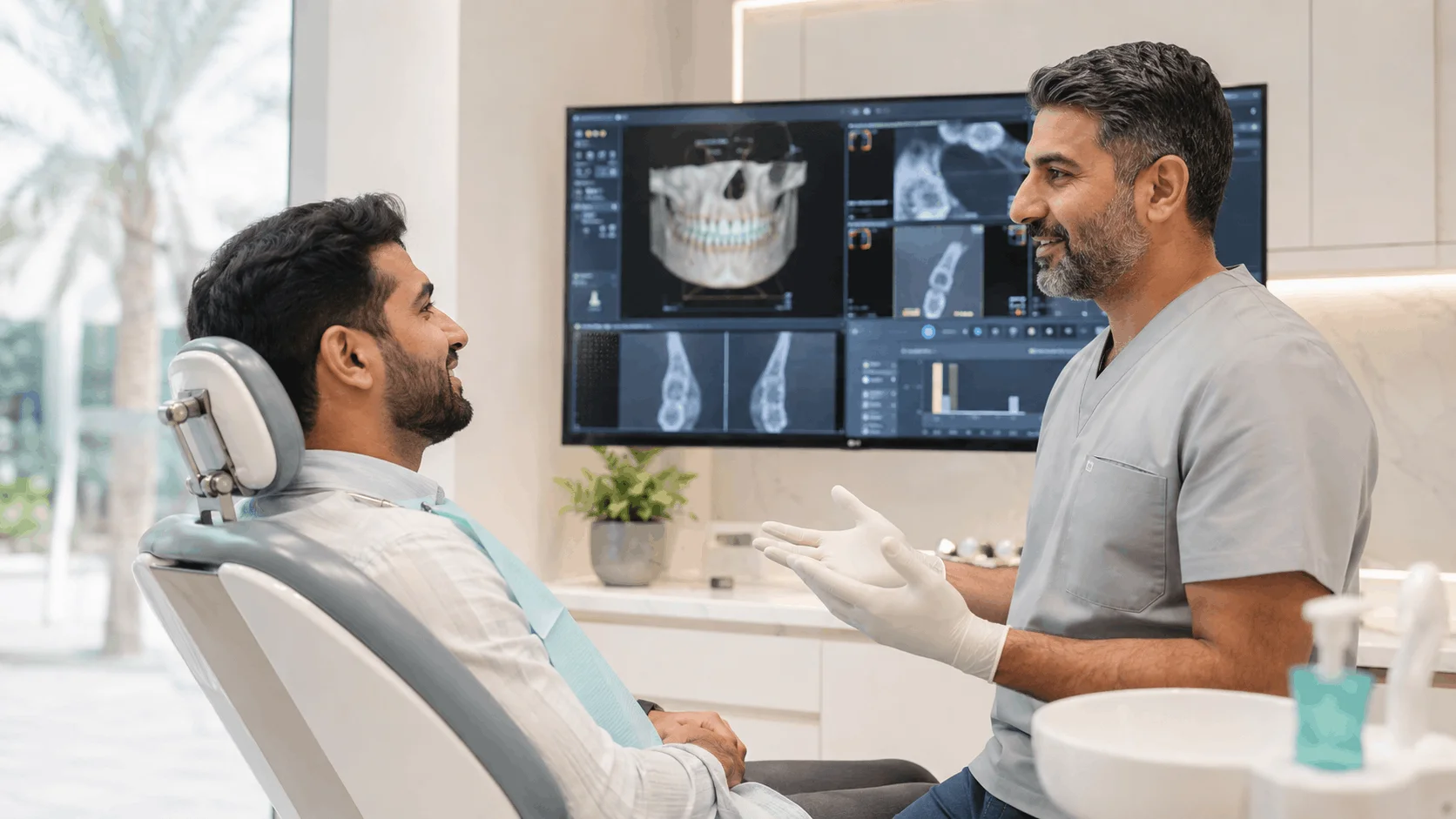
No. One of the most common misconceptions about oral surgery is that tooth extraction is inevitably painful.
In reality, modern dentistry allows the procedure to be performed with little to no pain.
During treatment, patients may feel:
- pressure;
- slight vibration;
- movement of the tooth;
- gentle contact from dental instruments.
However, properly administered local anesthesia blocks pain sensations throughout the procedure.
For patients with significant dental anxiety, additional comfort can be provided through conscious sedation when clinically appropriate.
When Is Tooth Extraction Really Necessary?
Modern dentistry always aims to preserve natural teeth whenever possible.
Extraction is recommended only when long-term restoration is unlikely to provide a predictable outcome.
Common indications include:
- extensive tooth destruction;
- vertical root fracture;
- chronic dental infection;
- advanced periodontal disease;
- impacted or improperly positioned wisdom teeth;
- preparation for orthodontic treatment;
- situations where the tooth cannot be restored successfully.
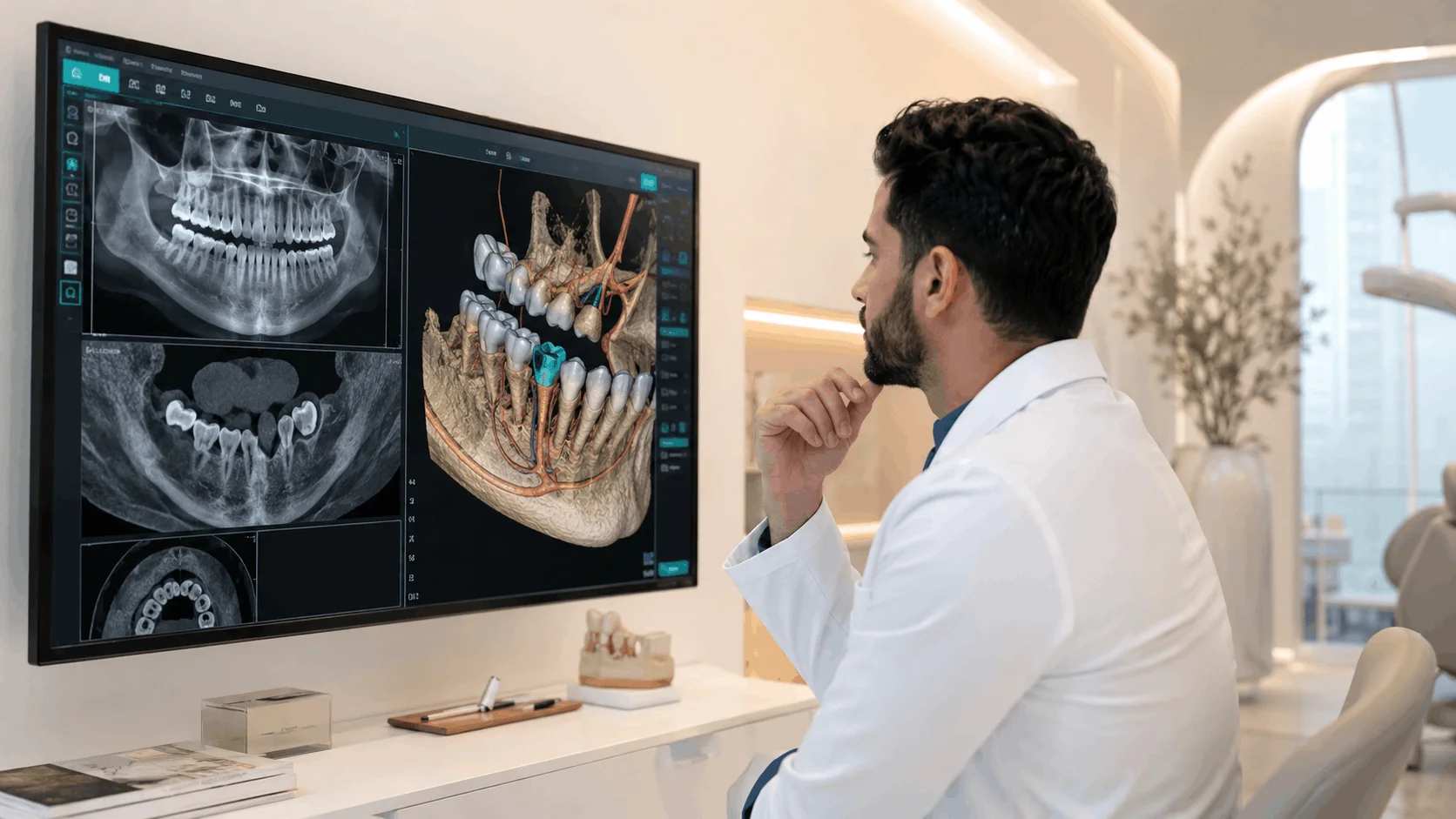
Every case is carefully evaluated through comprehensive clinical examination and digital imaging.

How Is the Procedure Planned?
Before extraction, the oral surgeon performs a detailed assessment.
This usually includes:
- clinical examination;
- digital dental X-rays;
- Cone Beam Computed Tomography (CBCT) when indicated;
- evaluation of root anatomy;
- assessment of nearby nerves and maxillary sinuses;
- review of the patient's general health.
In modern dental clinics across Dubai, digital treatment planning helps surgeons determine the safest extraction technique while minimizing the risk of complications.

How Is the Extraction Performed?
Once effective anesthesia has been achieved, the procedure begins.
A modern extraction protocol generally includes the following steps:
- Administration of local anesthesia.
- Confirmation that the area is fully numb.
- Gentle separation of the tooth from surrounding tissues.
- Careful removal of the tooth.
- Inspection and cleaning of the socket.
- Socket preservation procedures when indicated.
- Bleeding control and postoperative instructions.
In many cases, the procedure takes much less time than patients expect.
What Is Atraumatic Tooth Extraction?
The primary goal of modern oral surgery is to preserve as much healthy tissue as possible.
During atraumatic extraction, the surgeon aims to protect:
- surrounding jawbone;
- gum tissue;
- interdental bone;
- natural soft tissue contours.
This is particularly important when a dental implant is planned in the future.
The better the tissues are preserved, the easier the subsequent restoration process becomes.

Which Modern Technologies Help Oral Surgeons?
Today's oral surgery relies on advanced technology to improve precision and safety.
Frequently used technologies include:
- Cone Beam Computed Tomography (CBCT);
- digital surgical planning;
- dental microscopes and magnification systems;
- piezosurgery for selected clinical cases;
- modern local anesthetics;
- bone preservation materials.
These technologies help make treatment more accurate, predictable, and minimally invasive.
What Is Recovery Like?
Most patients return to their normal daily routine relatively quickly after tooth extraction.
For successful healing, dentists usually recommend:
- following all postoperative instructions;
- avoiding unnecessary trauma to the extraction site;
- maintaining excellent oral hygiene;
- limiting strenuous physical activity for a short period;
- attending follow-up appointments.
Recovery time varies depending on the complexity of the extraction and the patient's individual healing response.

Simple vs. Surgical Tooth Extraction
Simple Extraction |
Surgical Extraction |
|---|---|
| Performed when the tooth is easily accessible | Used for impacted or more complex teeth |
| Usually completed more quickly | May require additional surgical access |
| Less traumatic to surrounding tissues | Planned using advanced digital diagnostics |
| Recovery is often faster | May require closer postoperative monitoring |

Modern oral surgery is very different from what many people remember from the past. Thanks to advanced anesthesia, digital diagnostics, and minimally invasive surgical techniques, tooth extraction can be performed comfortably while minimizing the risk of complications. Careful treatment planning not only allows the tooth to be removed safely but also helps preserve healthy bone and soft tissue for future restorative treatment.
If you need a tooth extraction or would like a second opinion from an oral surgeon, contact Factor Smile in Dubai. Our specialists use advanced digital diagnostics, atraumatic surgical techniques, and personalized treatment planning to make every procedure as comfortable, safe, and predictable as possible.
Frequently Asked Questions