
Alcohol and Dental Health: What You Need to Know
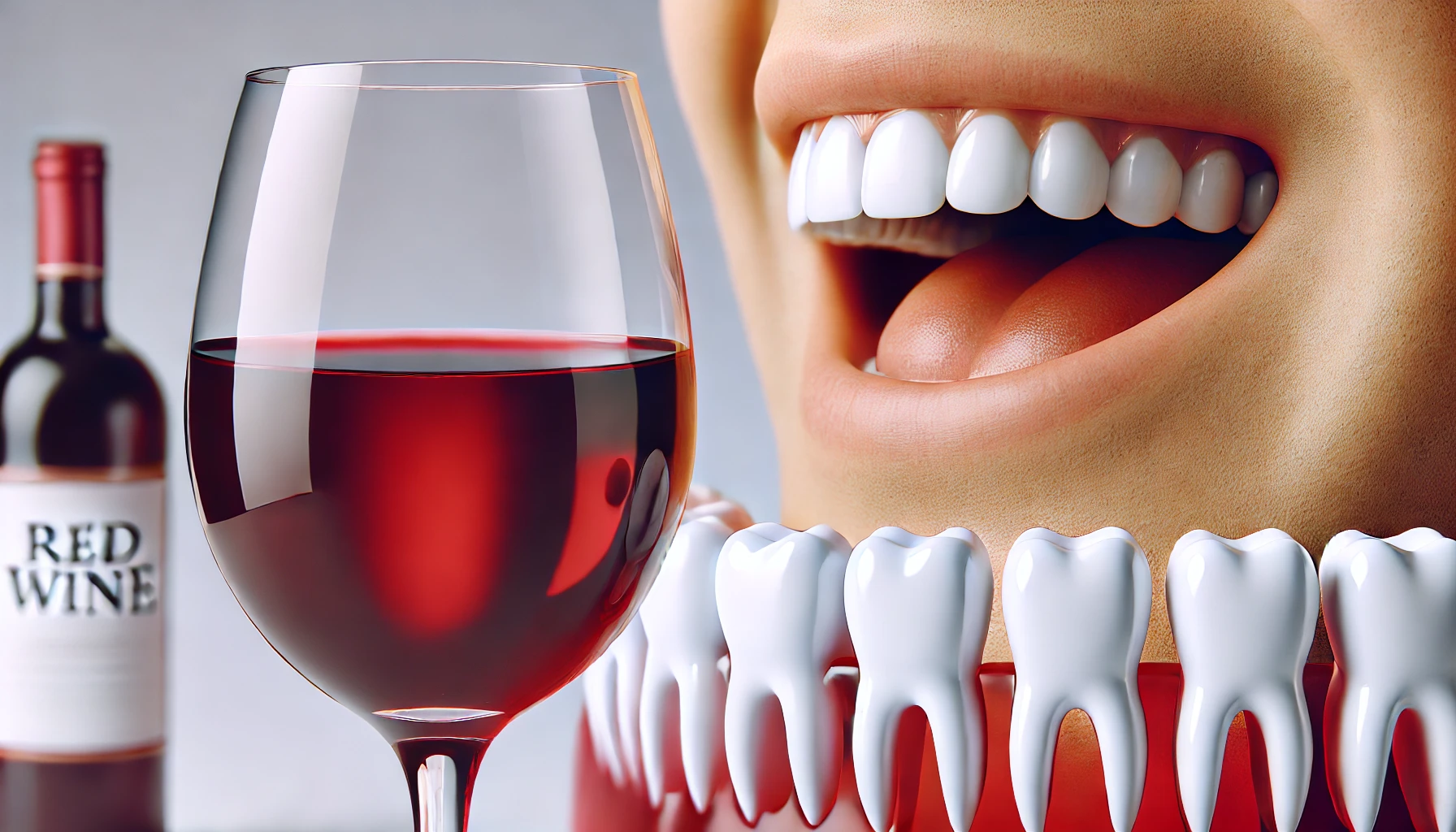
Many adult patients wonder how lifestyle affects the condition of their teeth and gums. Smoking, nutrition, and alcohol consumption all directly impact oral health. In this article, specialists from the Factor Smile clinic in Dubai will discuss the impact of alcohol on teeth, how to reduce risks, and why regular visits to the dentist remain a necessary condition for a beautiful smile.
Why Alcohol Affects Teeth and Gums
Alcoholic beverages affect teeth and the oral mucosa comprehensively and affect several levels of protection at once. First and foremost, the enamel — the hard shell of the tooth, which acts as a barrier against destruction and protects internal tissues — suffers. Under the action of sugars, acids, and ethanol, there is a gradual demineralization of the enamel. It becomes more porous, loses its natural luster and strength. As a result, teeth react faster to cold and hot, the risk of caries increases, and treatment in such cases may require more time and effort.
It is important to consider that the negative impact of alcohol is not limited to the surface of the tooth. It also affects the biochemical processes in the oral cavity. For example, regular consumption of alcoholic beverages reduces the natural protection in the form of saliva. Saliva not only moistens the mucosa but also contains enzymes that help fight bacteria and maintain the balance of minerals. When saliva production decreases, teeth and gums become more vulnerable.
Among the additional risks, several main factors can be highlighted:
- Mouth dryness — one of the most common problems that arise after consuming alcohol. A lack of saliva leads to unpleasant odor, accelerates the accumulation of plaque, and creates conditions for the active multiplication of bacteria.
- Change in the acid-base balance — especially pronounced when consuming acidic beverages such as white or red wine, as well as cocktails with fruit additives. Increased acidity destroys the upper layer of enamel and enhances its sensitivity.
- Change in tooth color — dark-colored beverages such as wine, cognac, or liqueurs contain intense pigments. They easily penetrate the micropores of the enamel, causing a stubborn darkening of the teeth that cannot be removed by ordinary cleaning.
- Risk of gum diseases — regular exposure to alcoholic beverages can cause chronic inflammation, lead to bleeding, increased sensitivity, and even the development of periodontitis. In severe cases, this can lead to tooth mobility and premature loss.
Thus, the impact of alcohol on the oral cavity cannot be underestimated. It manifests gradually, and often patients notice changes only when the problem already requires professional intervention. Therefore, dentists recommend paying close attention to your diet and not postponing preventive visits to the doctor, even if your teeth appear healthy on the outside.
Which drinks are most harmful to teeth
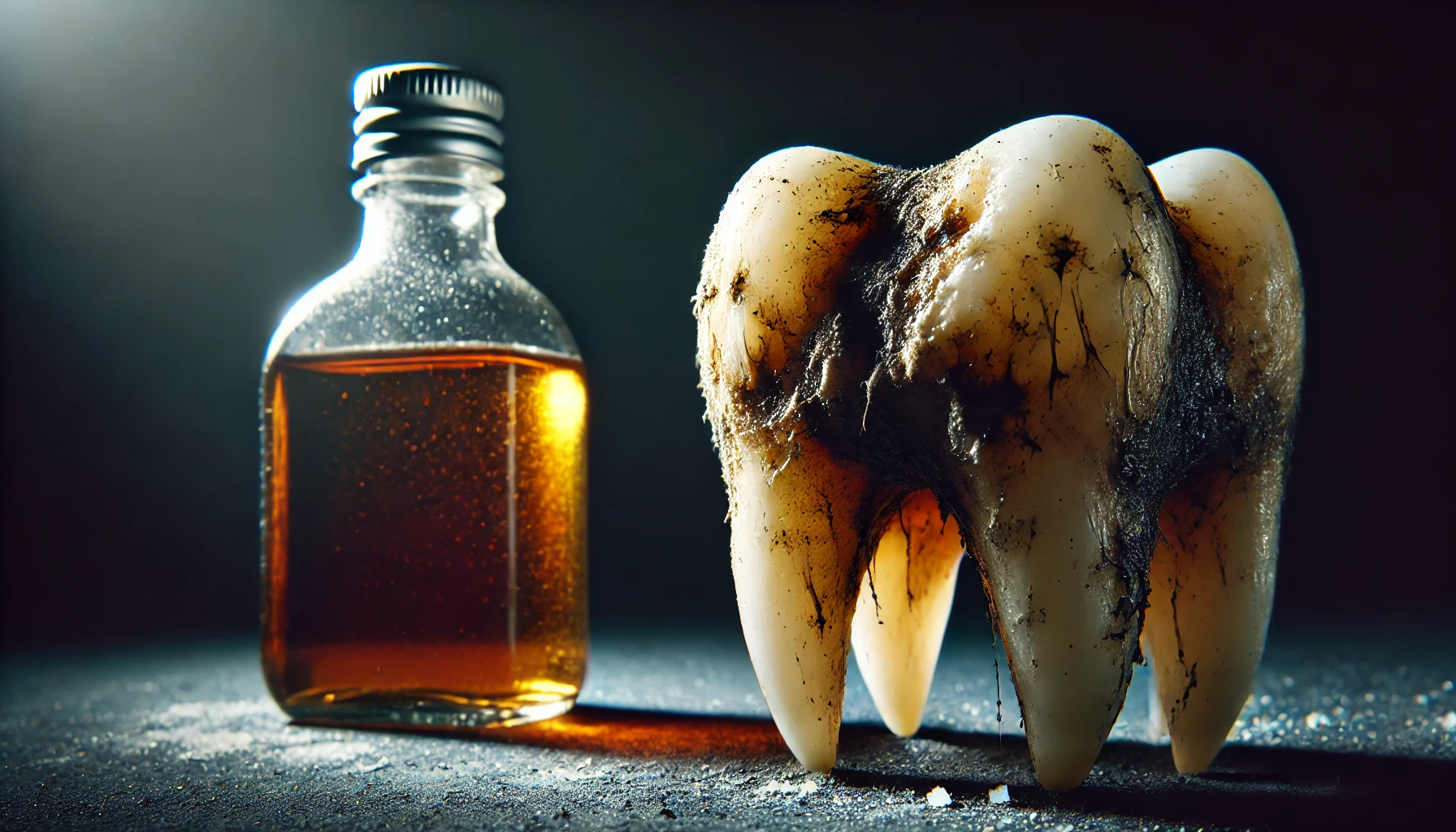
The effect of alcohol on teeth and gums depends not only on the amount but also on the type of drink. Different categories of alcohol act differently, however, the overall effect is always associated with the destruction of enamel, color change, and deterioration of the mucous membrane.
- Red wine — one of the most aggressive drinks for tooth enamel. It contains tannins and acids that make the tooth surface rougher and more susceptible to staining. That's why red wine lovers often have persistent plaque and darkening of the teeth. Moreover, the acids additionally destroy minerals in the enamel, increasing its sensitivity.
- White wine — appears to be less harmful externally, as it does not stain the teeth. However, its acidity is even higher than that of red wine. This means that it more strongly destroys the mineralized structure of the enamel. With regular consumption, teeth become more brittle and prone to cavities.
- Beer — a drink with low pH and high sugar content. Such a composition promotes the active multiplication of bacteria in the mouth and the formation of plaque. With frequent consumption, the risk of developing cavities and gingivitis increases, especially if proper hygiene is not observed simultaneously.
- Strong alcohol (vodka, whiskey, rum) — does not contain a large amount of sugar, but it severely dries out the mucous membrane of the oral cavity. This leads to a decrease in saliva production, which is a natural protective factor. Without sufficient saliva, teeth and gums become more susceptible to bacteria and inflammation.
- Cocktails — the most harmful combinations for teeth, as they include alcohol, sugar, and acidic additives simultaneously. For example, lemon juice in the cocktail sharply increases acidity, while syrups and carbonated drinks create a nutrient-rich environment for cariogenic bacteria. As a result, even rare consumption of cocktails causes noticeable damage to tooth enamel.
Thus, any alcohol is harmful to teeth to some extent. But one should be especially cautious with drinks that contain both acids and sugars. They create conditions for the rapid destruction of enamel and accelerate the development of dental problems.
The effect of alcohol on oral health in adolescents
It is also worth noting the effect of alcohol on the teeth of adolescents. During the formation of the permanent bite (up to 16–18 years), the enamel is not fully mineralized, and the gums are more sensitive to external irritants. Alcohol at this age not only destroys teeth faster but can also negatively affect the overall development of the craniofacial system.
Doctors at Factor Smile in Dubai regularly conduct educational programs for adolescents and their parents, explaining the importance of proper nutrition and the refusal of alcohol. In case of the first signs of tooth sensitivity or gingival inflammation, it is recommended to undergo diagnosis and a preventive examination.
Clinical Approaches: How Dentists View the Problem
Modern dentistry considers the impact of alcohol on teeth in several aspects:
- Early diagnosis — 3D scanning and X-rays can detect the initial stages of caries and demineralization.
- Hygiene procedures — professional cleaning helps remove pigments and plaque caused by red wine and beer.
- Remineralizing therapy — special gels and varnishes restore the structure of enamel after acidic exposure.
- Aesthetic dentistry — whitening and restoration allow to restore the whiteness and healthy appearance of teeth.
Thus, a dentist can not only eliminate the consequences of the impact of alcohol but also prevent the further development of problems.
Alcohol and Tooth Implantation
The period of implantation is a responsible stage when it is important to strictly follow the doctor's recommendations. Drinking alcohol at this time is highly undesirable as it can seriously affect the outcome of treatment.
Why Alcohol is Dangerous After Implantation
- Slowing down tissue healing. Alcohol disrupts microcirculation and reduces the ability of cells to regenerate.
- Risk of inflammation. Alcohol weakens local and general immunity, increasing the likelihood of infectious complications.
- Problems with implant osseointegration. Ethanol can disrupt metabolic processes in bone tissue, slowing down osteointegration (the integration of the implant with the bone).
- Dryness and irritation of the mucous membrane. This increases discomfort in the first weeks after the operation and may lead to painful sensations.
How to Prepare for Implantation
Before surgical intervention at the Factor Smile clinic, a detailed consultation is conducted. Doctors explain which factors may affect the outcome of the operation and provide individual recommendations. The main ones are:
- refrain from alcohol and smoking a few days before the operation;
- adhere to oral hygiene rules;
- undergo necessary diagnostic studies;
- if necessary, undergo professional teeth cleaning.
Rehabilitation After Implant Placement
After the surgical intervention, Factor Smile specialists develop a personal recovery plan. It includes:
- recommendations for nutrition in the first days after the operation;
- prescription of anti-inflammatory and antiseptic agents;
- a plan for preventive examinations to control implant osseointegration;
- a strict ban on alcohol consumption during the healing period.
This comprehensive approach helps patients recover faster and avoid complications, ensuring a high percentage of successful implant osseointegration.
How to Minimize the Harm from Alcohol
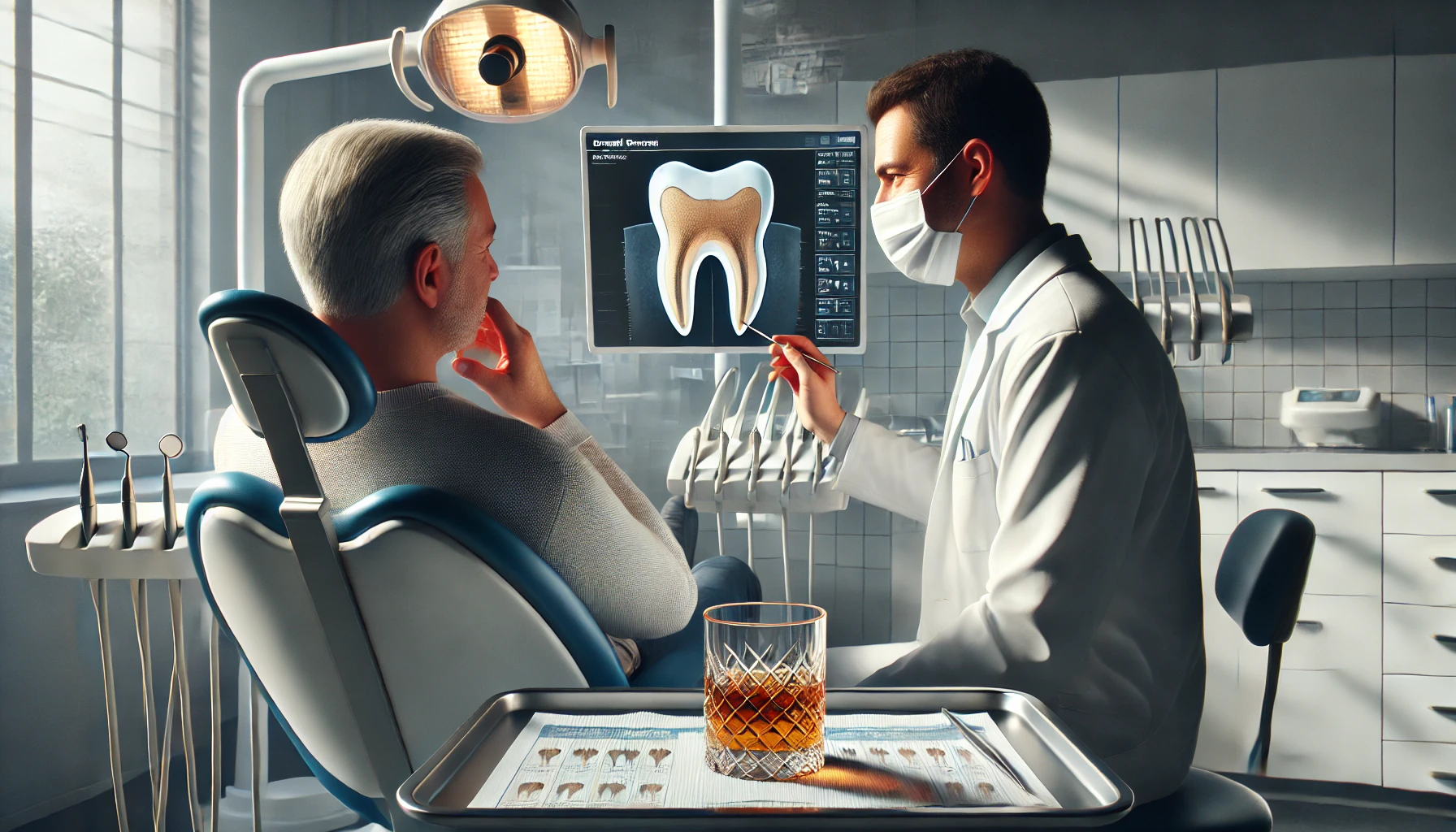
Not everyone decides to completely abstain from alcohol, but it is quite possible to reduce its negative impact on teeth:
- Drink water with alcohol — this reduces acidity and washes out sugars.
- Do not brush your teeth immediately after wine or cocktails — wait 30–40 minutes to not harm the softened enamel.
- Use a straw for sweet and acidic drinks to reduce contact with the teeth.
- Regularly visit the dentist for preventive examinations.
Technologies in Factor Smile for Maintaining Tooth Health
The Factor Smile clinic in Dubai offers a comprehensive approach to the prevention and treatment of diseases related to the impact of alcohol:
- digital diagnostics using 3D scanners and orthopantomography;
- professional hygiene and Air-Flow for removing plaque and pigments;
- treatment of caries and restoration of enamel with modern materials;
- whitening and aesthetic restoration of teeth;
- individual recommendations for home tooth care.
Thanks to the international team of specialists and modern equipment, patients of the clinic receive safe and comfortable treatment at the level of the best world standards.
Take a step towards a healthy smile with Factor Smile
If you notice discoloration of the enamel, tooth sensitivity, or gum inflammation, do not delay your visit to the dentist. At the Factor Smile clinic in Dubai, you will find modern equipment, an international team of doctors, and a careful approach to each patient. We offer a full range of services — from prevention and therapy to implantation and aesthetic dentistry.

Book a consultation.
Don't put off taking care of your smile.
Contact us by phone
+971 58 524 4003
WhatsApp
Online booking
Special offer!
Free dental consultation!
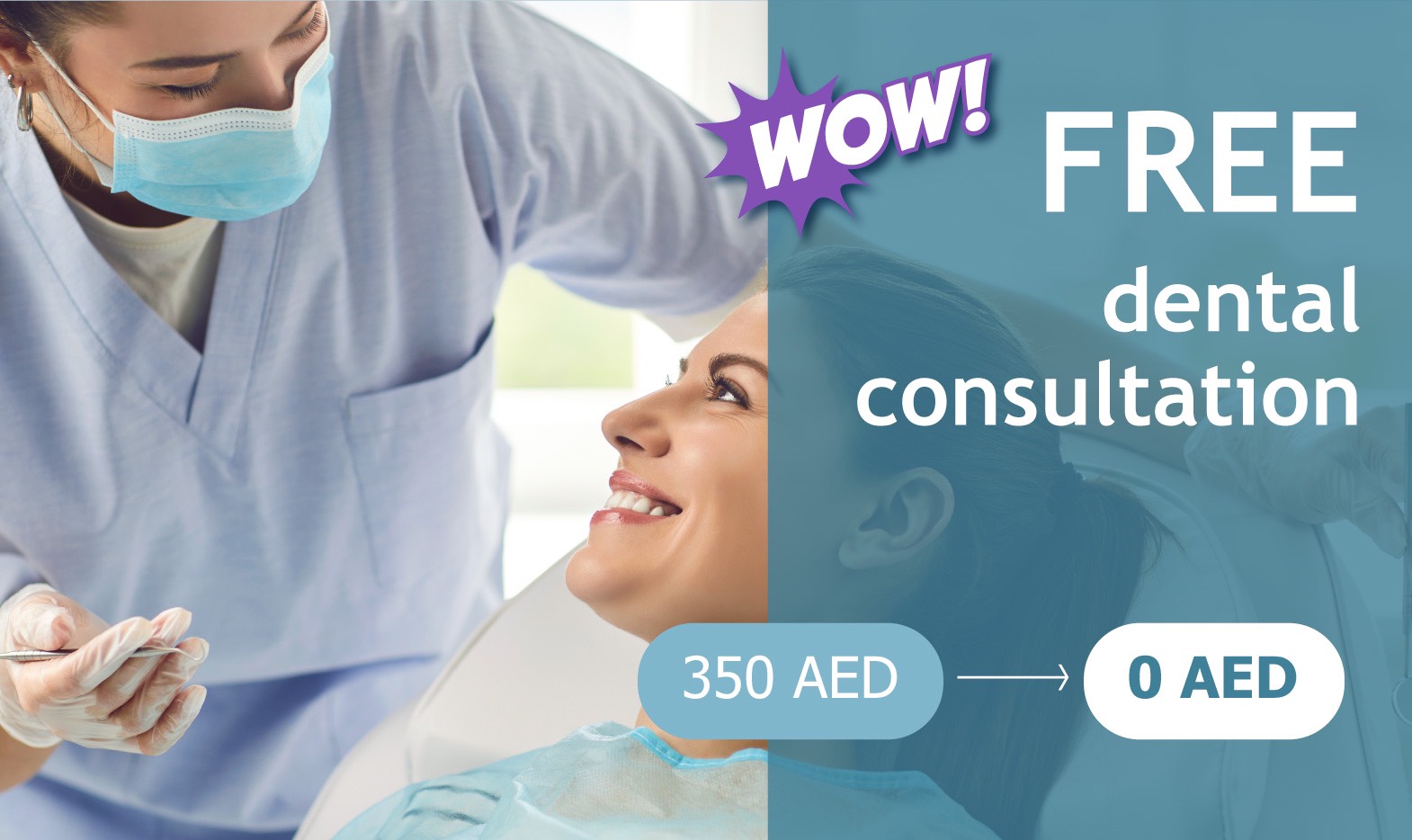
The Factor Smile clinic has a special offer for new patients - a free consultation with a dentist. Depending on the problem you are contacting us with, you can get a consultation from the following specialists: therapist, surgeon, orthopedist, orthodontist.
CONSULTATION INCLUDES:
-

Professional examination by a highly qualified doctor.
-

Treatment plan
Based on the results of the examination, an individual plan will be created for you with detailed information on the stages of treatment and an indication of the current cost.
Book a consultation.
Don't put off taking care of your smile.
Contact us by phone
+971 58 524 4003
WhatsApp
We use cookies!
We use cookies to make the site convenient to use. More detailed information can be found in privacy policy.Accept