
What Happens If You Delay Dental Implant Placement for Too Long?
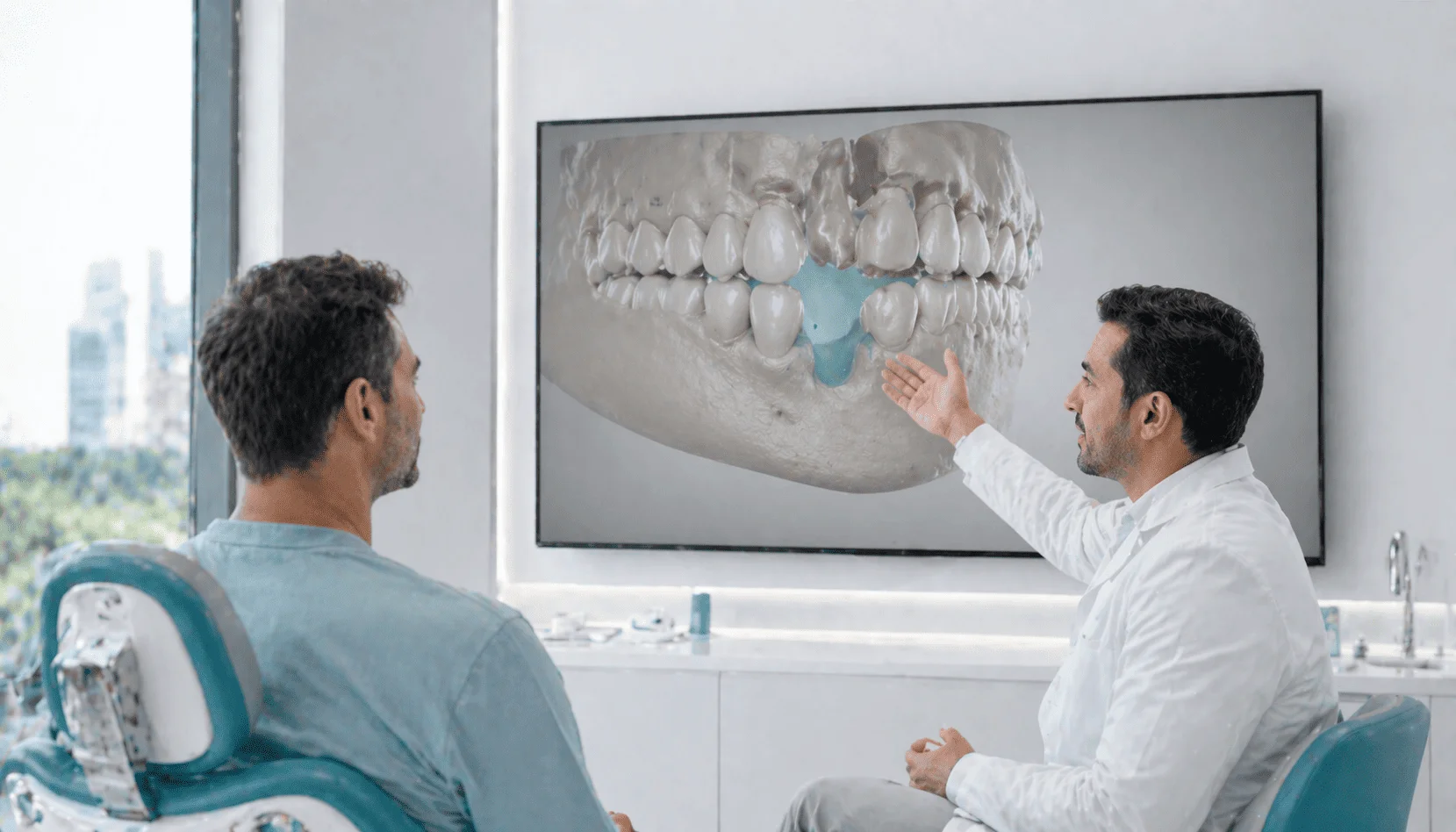
Delaying dental implantation leads to gradual bone loss, shifting of adjacent teeth, and bite нарушения. Over time, this complicates treatment, increases the need for additional procedures such as bone grafting, and may affect long-term outcomes. In clinical practice, timely implant placement is considered essential for preserving jaw structure and overall oral health.
Why Does Timing Matter?
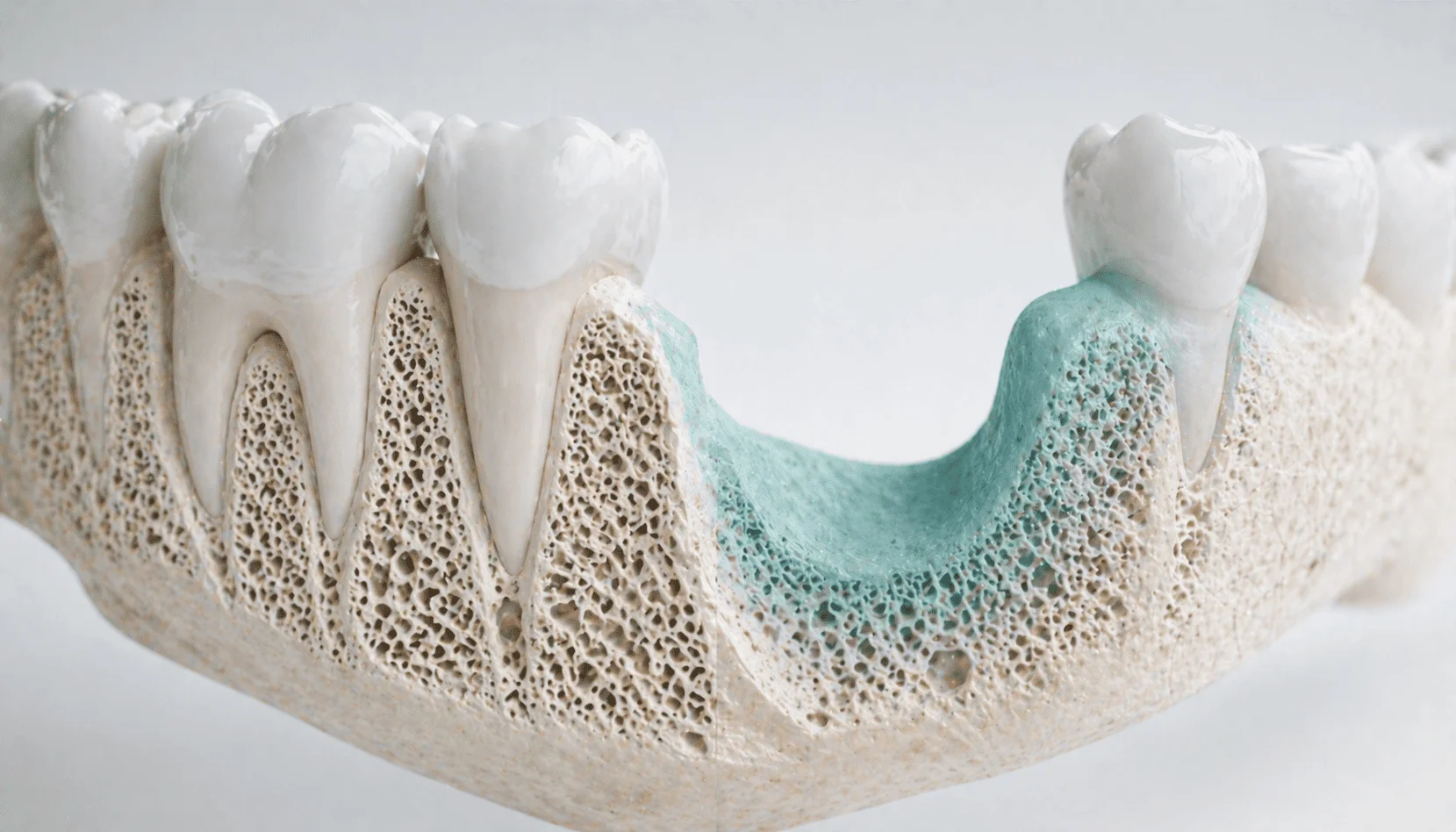
After a tooth is removed, the body begins a natural process of bone resorption. Without functional нагрузка, the bone gradually loses volume.
What happens in the first months:
- reduction in bone height;
- narrowing of the alveolar ridge;
- changes in bone density.
Within 6–12 months, these changes become more pronounced and can affect the possibility of implant placement without additional preparation.
Main Consequences of Delaying Implantation
- Bone Loss
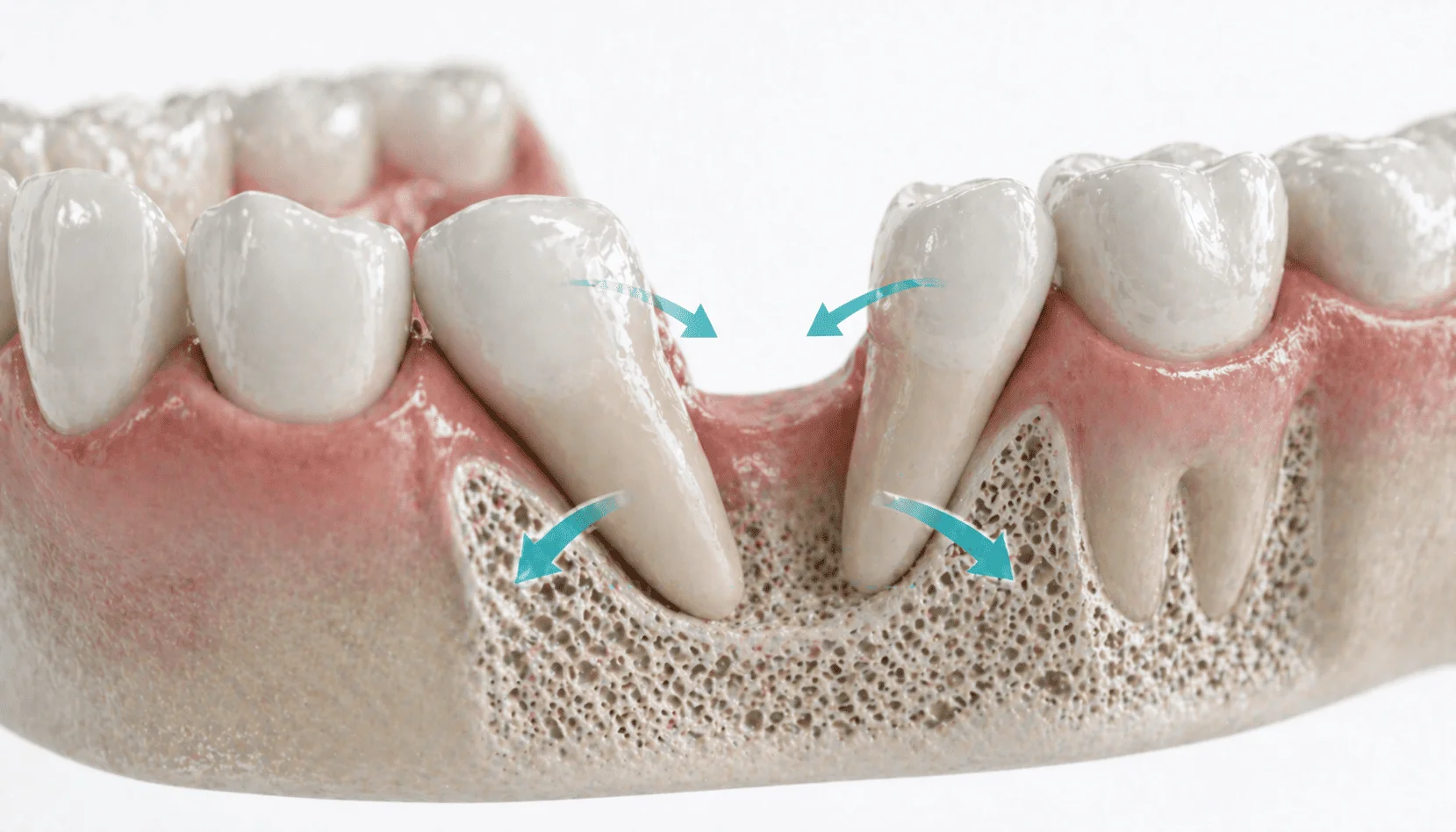
The jawbone gradually decreases in volume, reducing the chances of stable implant placement. - Shifting of Adjacent Teeth
The empty space causes neighboring teeth to tilt and move. - Overeruption of Opposing Teeth
The tooth on the opposite jaw may move into the empty space, disrupting the bite. - Impaired Chewing Function
Uneven load distribution can lead to excessive stress on remaining teeth. - Changes in Facial Proportions
Long-term tooth loss may reduce the height of the lower third of the face.
How Does This Affect Future Treatment?
Delaying implantation increases treatment complexity.
Situation |
Early Implant Placement |
Delayed Treatment |
| Bone volume | Usually sufficient | Often insufficient |
| Procedure complexity | Minimal | May require bone grafting |
| Treatment time | Shorter | Longer |
| Predictability | Higher | Depends on additional factors |
In dental clinics Factor Smile, such cases often require a more complex and multi-stage approach.
When Is Immediate Implant Placement Possible?
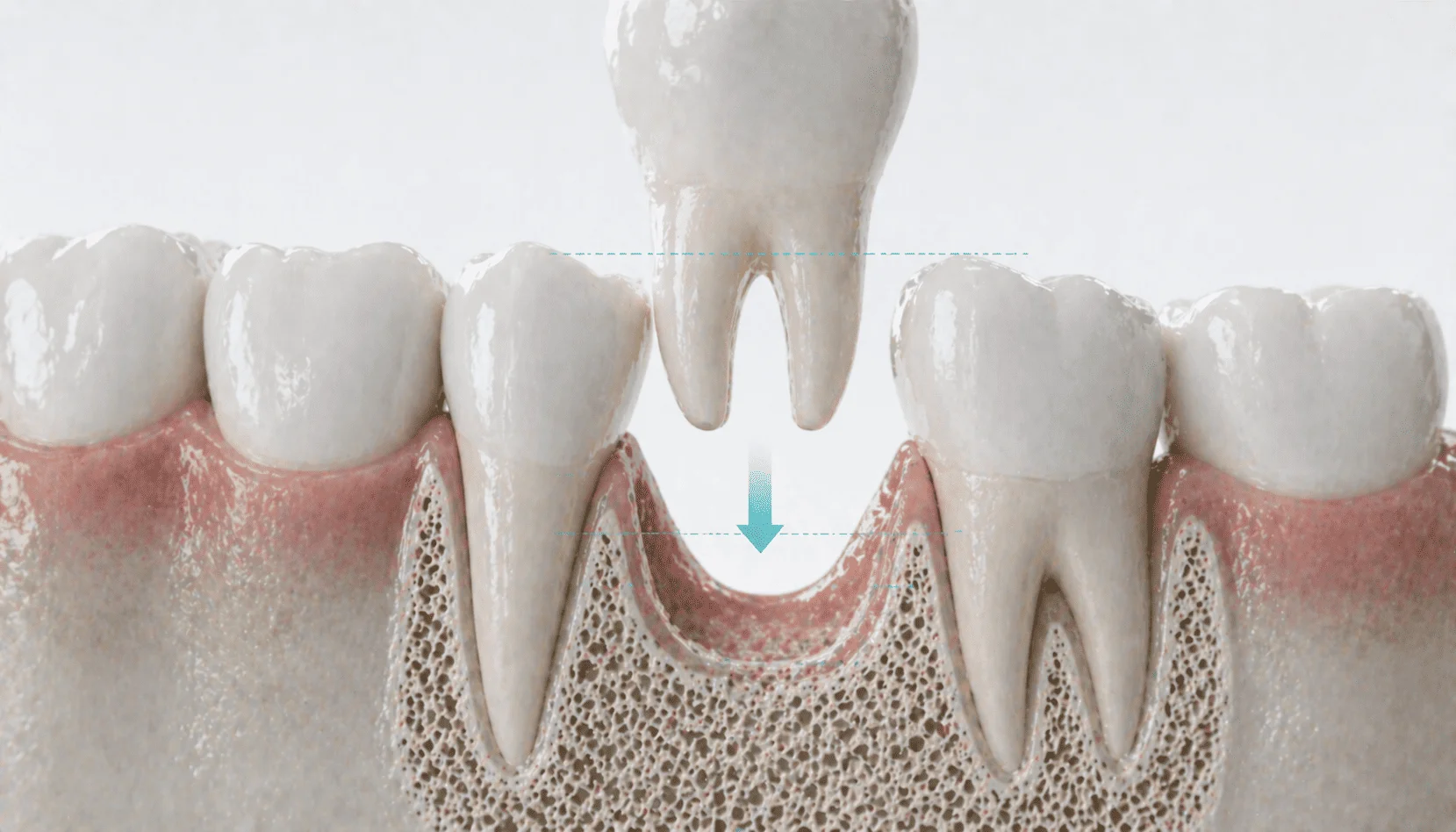
In some cases, an implant can be placed immediately after tooth extraction.
Conditions:
- absence of active infection;
- sufficient bone volume;
- good overall health;
- ability to achieve primary implant stability.
This approach helps preserve bone and reduce treatment time.
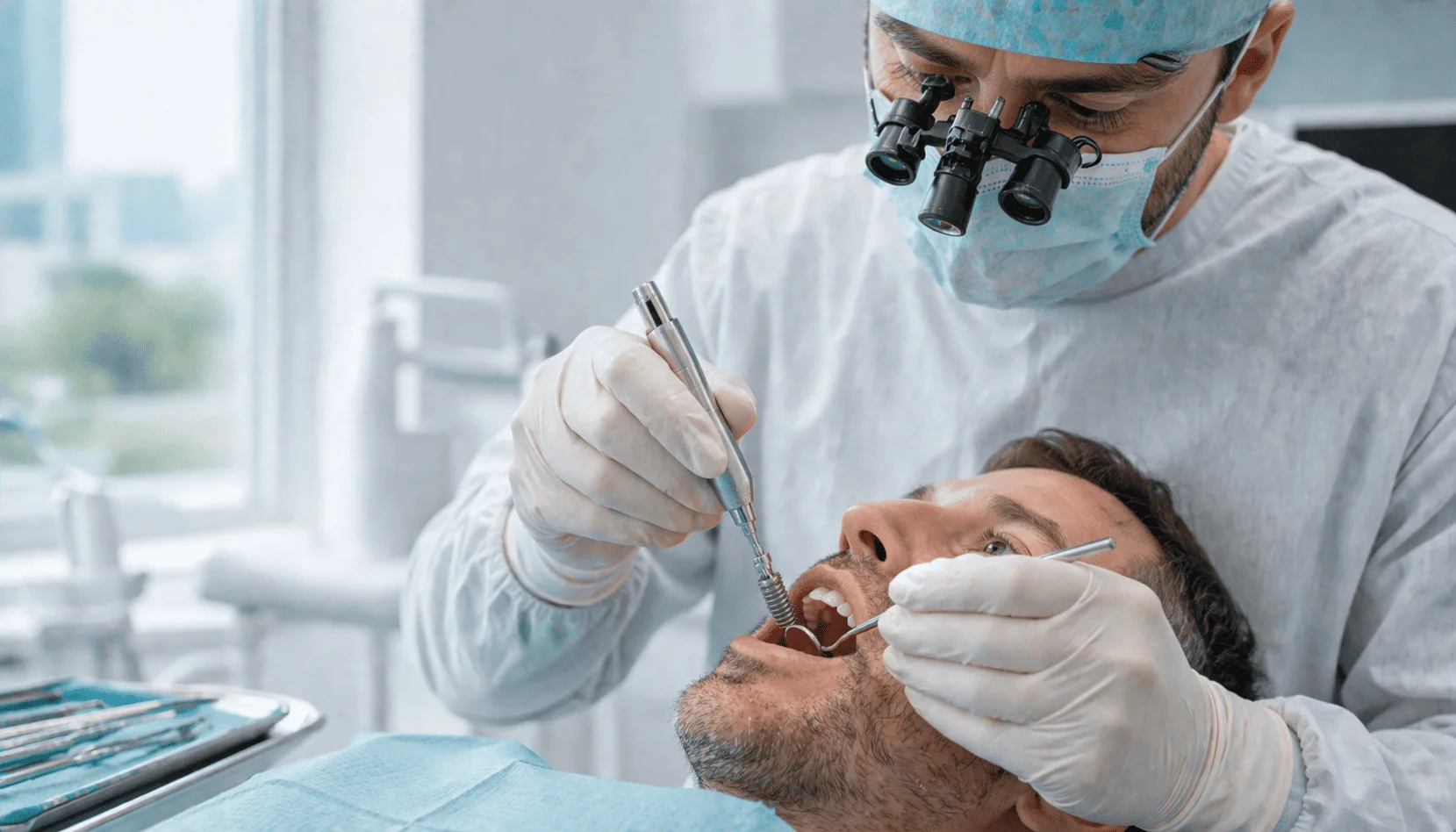
When Is Additional Preparation Required?
If implantation is delayed, additional procedures may be needed:
- bone grafting;
- sinus lift (for the upper jaw);
- orthodontic correction;
- bite rehabilitation.
These steps increase treatment duration and require additional healing time.

The Role of Diagnostics
Before planning implant placement, the following are performed:
- clinical examination;
- radiographic imaging;
- CBCT (3D scan);
- evaluation of gum and bone condition.
In modern clinics Factor Smile, digital diagnostics allow precise assessment of bone loss and selection of the optimal treatment strategy.

Delaying implant placement is not just postponing treatment — it directly affects the complexity and predictability of restoring a missing tooth. Timely intervention helps preserve bone structure, simplifies the procedure, and leads to more stable long-term results.
If you are considering dental implants in Dubai, contact Factor Smile clinic. Our specialists will perform a comprehensive evaluation, assess bone condition, and recommend the most appropriate treatment plan based on timing and your individual clinical situation.
Frequently Asked Questions