
Implants and age: can I get them after the age of 60?
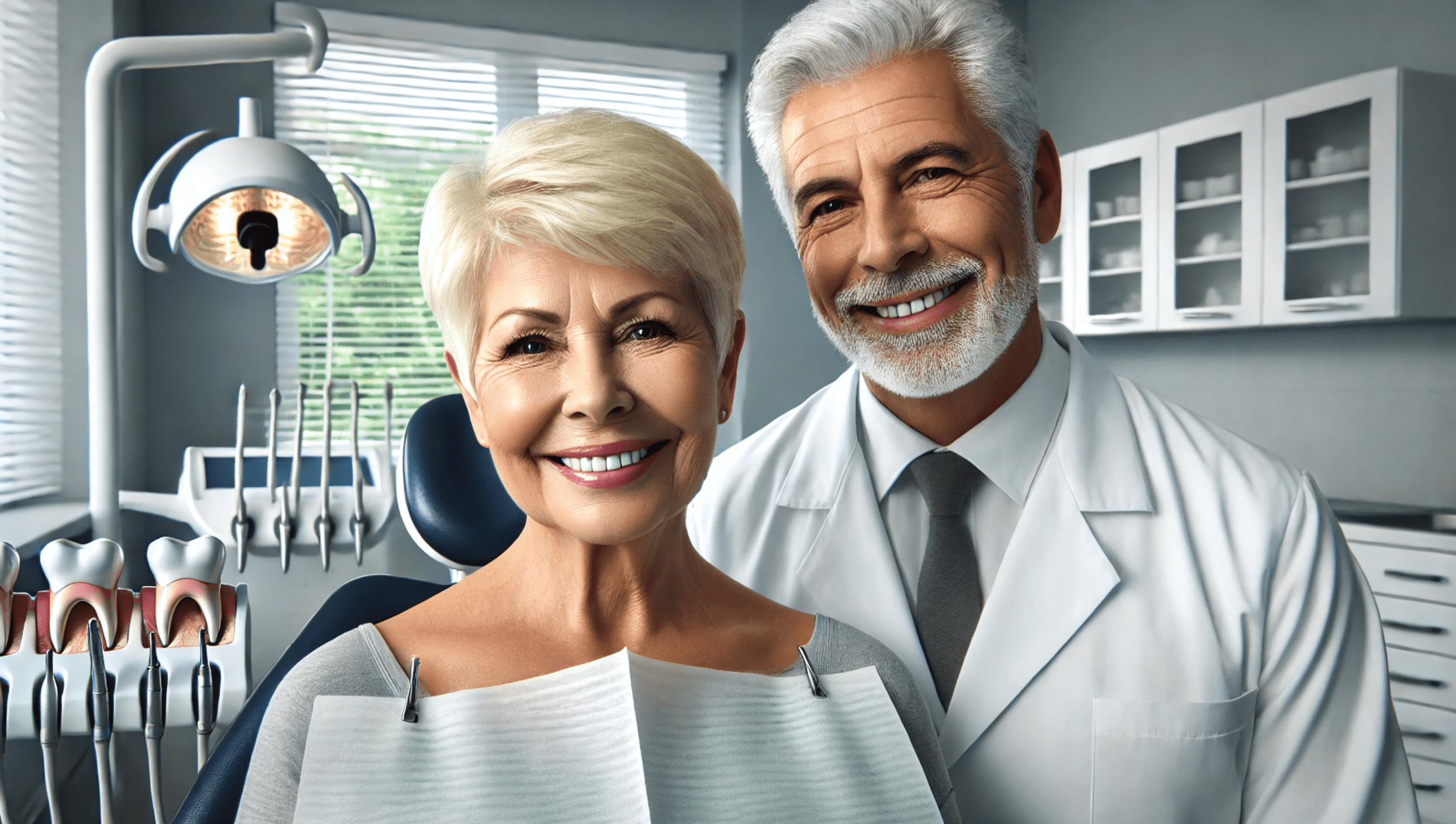
Modern dentistry destroys stereotypes: implantation is not a privilege of youth. Today, thousands of patients over the age of 60 are successfully restoring their teeth with implants, enjoying a full life and smiling freely again. At the Factor Smile Clinic (Dubai) We prove every day that age is not an obstacle to a healthy, beautiful and functional smile.
Implantation after 60: is it real
Contrary to popular belief, dental implantation in old age is possible and safe with a proper approach. The main success factors are the general state of health, the quality of bone tissue and the professionalism of the attending physician.
Patients aged 60 to 80+ years most often come to us after wearing removable dentures for a long time, complaining of discomfort, mobility of the structure and the inability to eat their favorite food. Implants solve all these problems, restoring not only aesthetics, but also the quality of life.
Indications for implantation in older patients
Implantation is not just about restoring a lost tooth. For older people, it is also a way to maintain their usual lifestyle, self-confidence and the opportunity to communicate freely, eat their favorite food, travel and laugh without restrictions. Below are the main indications for which dental implants become the optimal solution after the age of 60.
Missing one or more teeth
Even a single defect can disrupt the bite, cause displacement of adjacent teeth and gradually lead to deformation of the jaw. The installation of the implant allows you to maintain the symmetry of the face, the distribution of chewing load and prevent further problems. It is especially important to restore the lateral chewing teeth, which are often underestimated by patients, but are critical for normal digestion and TMJ function.
Instability or inconvenience of removable dentures
Many elderly patients already use removable structures, but they experience difficulties with them: chafing gums, falling out when talking or laughing, and the need for adhesives. Implantation allows you to completely eliminate removable dentures or, at least, significantly increase their fixation (for example, using 2-4 implants with a beam system or attachment buttons).
Bone atrophy (bone grafting is possible)
Over time, especially with prolonged absence of teeth, bone tissue begins to dissolve. This is a natural process that can affect the ability to install implants. However, with the help of bone grafting, sinus lifting, or guided bone regeneration (GBR), our specialists successfully restore volume even in difficult cases, which makes implantation accessible to most older patients.
The desire to restore chewing function and improve appearance
A smile is not only aesthetic. It's about freedom, energy, and social activism. Older patients are increasingly seeking implantation not only for medical reasons, but also for emotional reasons. This is the desire to look younger, not to limit oneself in communication, to forget about the "closed mouth" complex. Modern implants can achieve results that are no different from natural teeth, both visually and functionally.
Technologies that make implantation safe
At Factor Smile, we apply advanced diagnostic and digital planning techniques:
- 3D CT (computed tomography) — to assess bone tissue and anatomy;
- Intraoral scanning — without casts and discomfort;
- Surgical templates — for precise implant placement without risk of displacement;
- PRF (Plasma therapy) — for accelerated healing and implant integration.
Even with age-related bone atrophy, it is possible to install implants. The doctor may recommend sinus lifting or bone augmentation, procedures aimed at creating the necessary volume of bone structure for reliable fixation of the implant.
When age is an advantage
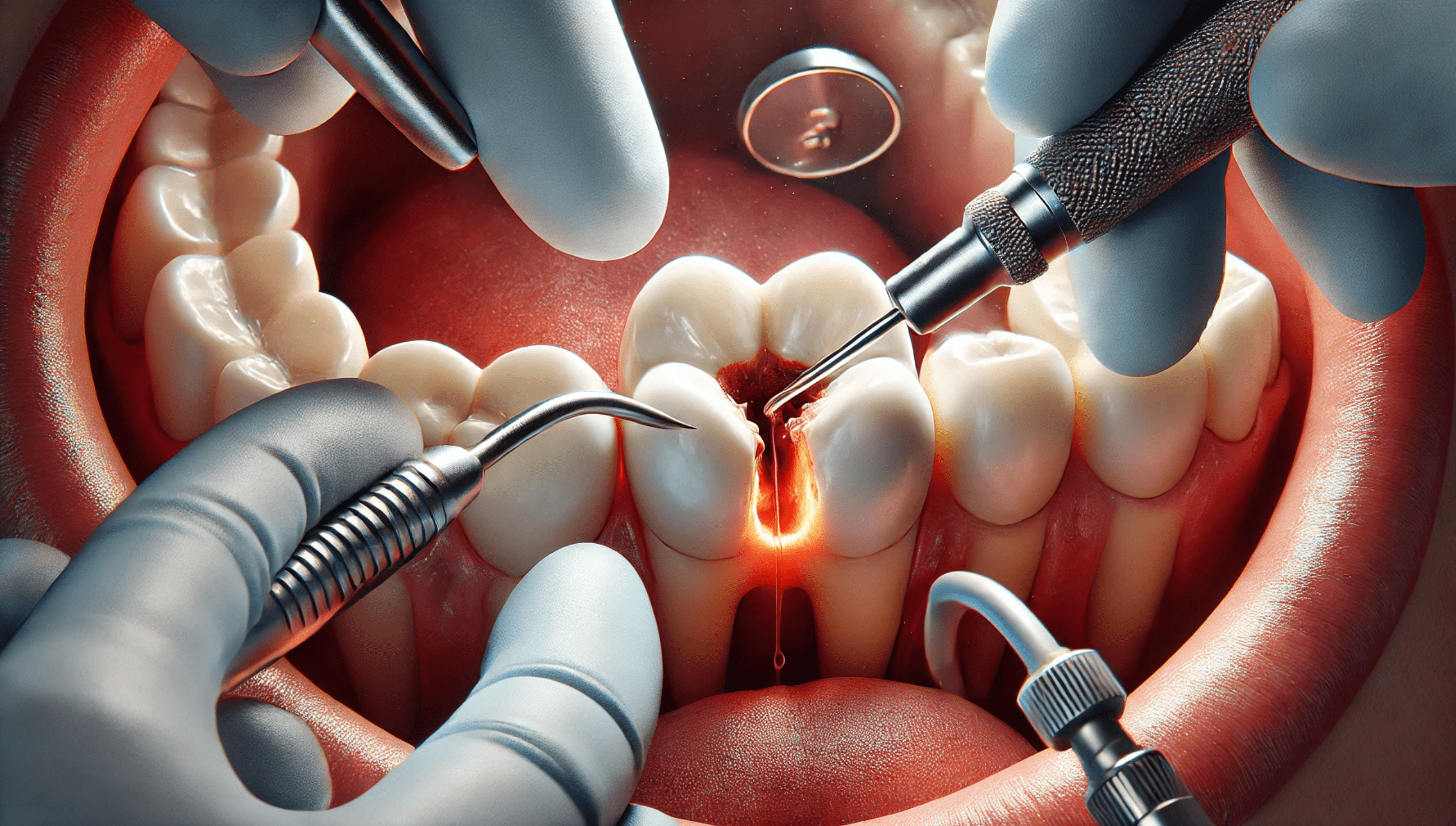
Patients over the age of 60 are more often more disciplined, attentive to the doctor's recommendations and take care of their health. This contributes to a high survival rate of implants, which, according to international studies, is more than 95% in elderly patients, subject to treatment protocols.
In addition, age does not affect the process of osseointegration (implant implantation into bone) — with a stable general state of health and the absence of serious contraindications, the treatment results are in no way inferior to a younger group of patients.
Can I get implants for chronic diseases?
This is a frequent question from patients. Answer: yes, but with preparation. Factor Smile doctors work closely with therapists and cardiologists, assessing risks and coordinating treatment.
Controlled hypertension, type II diabetes, osteoporosis and other common diagnoses are not absolute contraindications to implantation — the main thing is that the disease is under control and the patient is under supervision.
We accept patients who have:
- There are concomitant chronic diseases;
- There were long breaks in dental treatment;
- Have difficulty chewing or feeling shy when talking;
- Previously, there was an unsuccessful experience of wearing prosthetics or implants.
What kind of implant systems do we use?
The choice of an implantation system is one of the key stages of successful treatment. At Factor Smile, we only work with premium dental implants, time-tested, scientific research, and clinical practice. All the systems that we use are certified in the UAE, the EU and the USA, have a high degree of survivability, durability and aesthetics.
· Straumann (Switzerland)
One of the world leaders in the field of implantology. Straumann implants are made of a unique Roxolid® material, an alloy of titanium and zirconium that provides durability with a smaller diameter. This is an ideal solution for patients with insufficient bone volume. In addition, the SLActive® surface promotes rapid osseointegration, which is especially important for elderly patients.
· Nobel Biocare (USA)
This system is the choice for those who want to restore their teeth as soon as possible. Thanks to the immediate loading technology, in some cases it is possible to install a temporary crown on the day of surgery. It is ideal for the smile zone, when not only functional, but also aesthetic results are important.
· Osstem (South Korea)
A universal system widely used all over the world. It is equipped with a variety of protocols for a wide variety of clinical cases, from single restorations to complete restoration in the complete absence of teeth. It is characterized by a combination of accessibility and high quality, which makes it popular among older patients.
We do not offer a "one-size-fits-all solution." An individual system is selected for each patient based on:
- anatomical features (bone thickness and volume, position of adjacent teeth);
- the level of chewing load in a particular area;
- the presence of chronic diseases and the rate of tissue regeneration;
- financial and aesthetic expectations;
- suggestions for the duration of treatment (classical or accelerated protocol).
Thanks to the use of digital technologies, we can pre-plan the treatment on a computer, accurately determine the location and angle of the implant, and, if necessary, produce a surgical template. In some cases, it is possible to install a temporary crown as early as 1-3 days after implantation — this is especially important in the smile area, so as not to remain without a tooth even for a while.
All stages of treatment at Factor Smile are carried out with maximum precision, in comfort and under the supervision of an experienced international team. Our approach is safety, individuality and high quality standards.
Turnkey implantation: simple and convenient
We offer an all-inclusive format for patients over the age of 60:
- Consultation and 3D diagnostics;
- Comprehensive planning and maintenance;
- Sedation treatment (optional);
- Individual schedule of visits with minimal workload;
- Warranty for work and implants.
We also offer flexible payment plans, including installments and insurance coverage options, if possible.
Frequently Asked Questions
Does age affect the success of implantation?
No. The main thing is general health and proper training. At the age of 60+, the success of implant implantation is the same as that of young people.
Do I need to remove a removable prosthesis before implantation?
Yes, in most cases, the prosthesis is removed and a new orthopedic design is planned — more reliable and aesthetic.
Is it painful to have an implant in old age?
No. Local anesthesia or sedation is used. Recovery is controlled by medication and is gentle.
How long does the recovery take?
Usually 1-2 weeks before the stitches are removed and 3-4 months before the final crown. It is possible to install a temporary structure for this period.
Why do older patients choose Factor Smile
- A comfortable atmosphere without odors, noise and stress;
- A sensitive approach to older patients;
- An international team of doctors with experience in treating adult and elderly patients;
- Modern equipment and safety protocols;
- The possibility of implantation "in one day" when indicated.
Are you ready to restore a smile at any age? Come to Factor Smile
If you are over 60 years old and you are thinking about whether it is possible to have implants in old age, the answer is unequivocal: it is possible and necessary. At Factor Smile, we will help you go from your first consultation to a beautiful, confident smile with care, comfort and respect.
Make an appointment online or by phone — our administrators will find a convenient time and help with the preparation.
Age is an experience, not a limitation. Restore your smile with us!

Book a consultation.
Don't put off taking care of your smile.
Contact us by phone
+971 58 524 4003
WhatsApp
Special offer!
Free dental consultation!
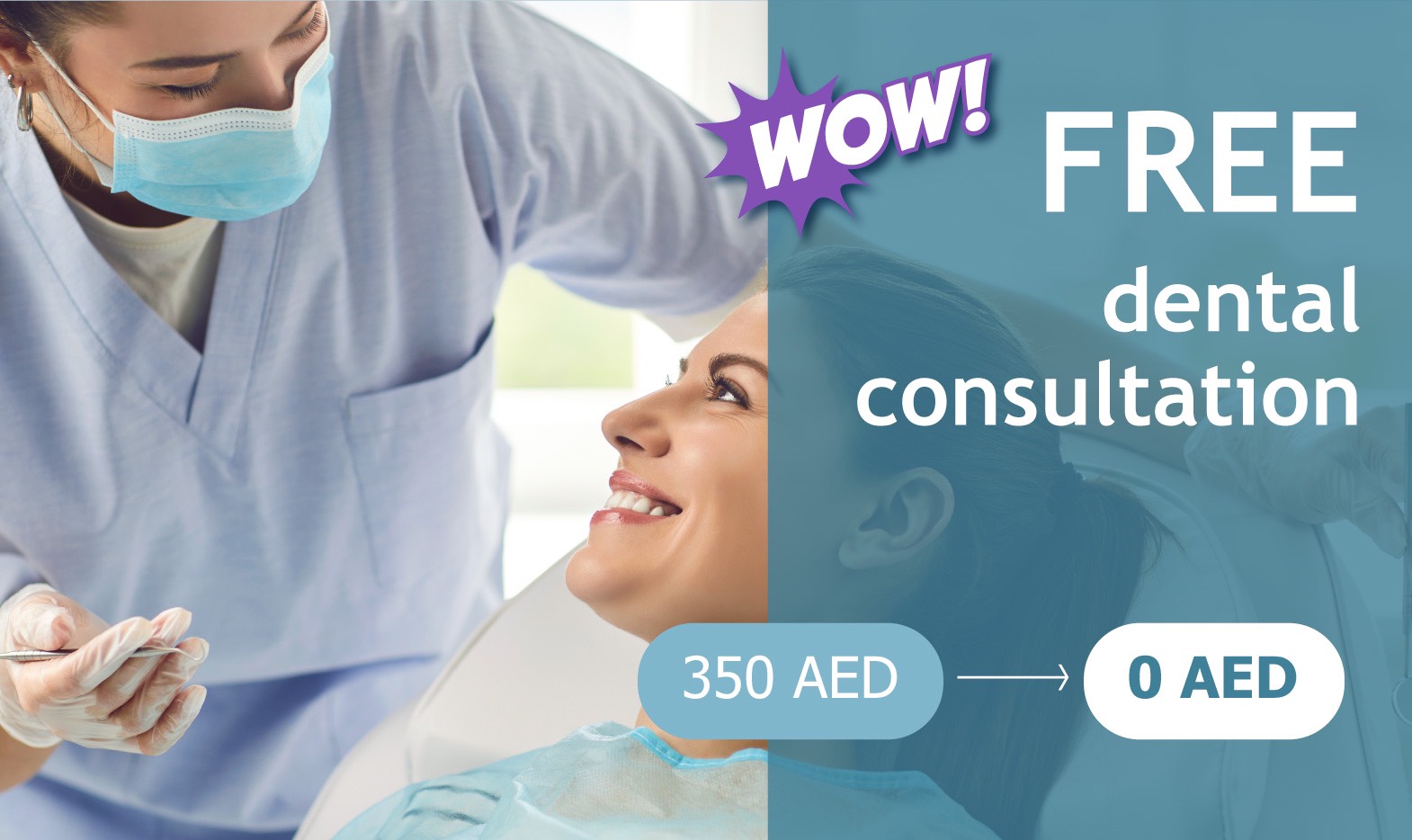
The Factor Smile clinic has a special offer for new patients - a free consultation with a dentist. Depending on the problem you are contacting us with, you can get a consultation from the following specialists: therapist, surgeon, orthopedist, orthodontist.
CONSULTATION INCLUDES:
-

Professional examination by a highly qualified doctor.
-

Treatment plan
Based on the results of the examination, an individual plan will be created for you with detailed information on the stages of treatment and an indication of the current cost.
Book a consultation.
Don't put off taking care of your smile.
Contact us by phone
+971 58 524 4003
WhatsApp
We use cookies!
We use cookies to make the site convenient to use. More detailed information can be found in privacy policy.Accept