How to teach a child about proper oral hygiene?
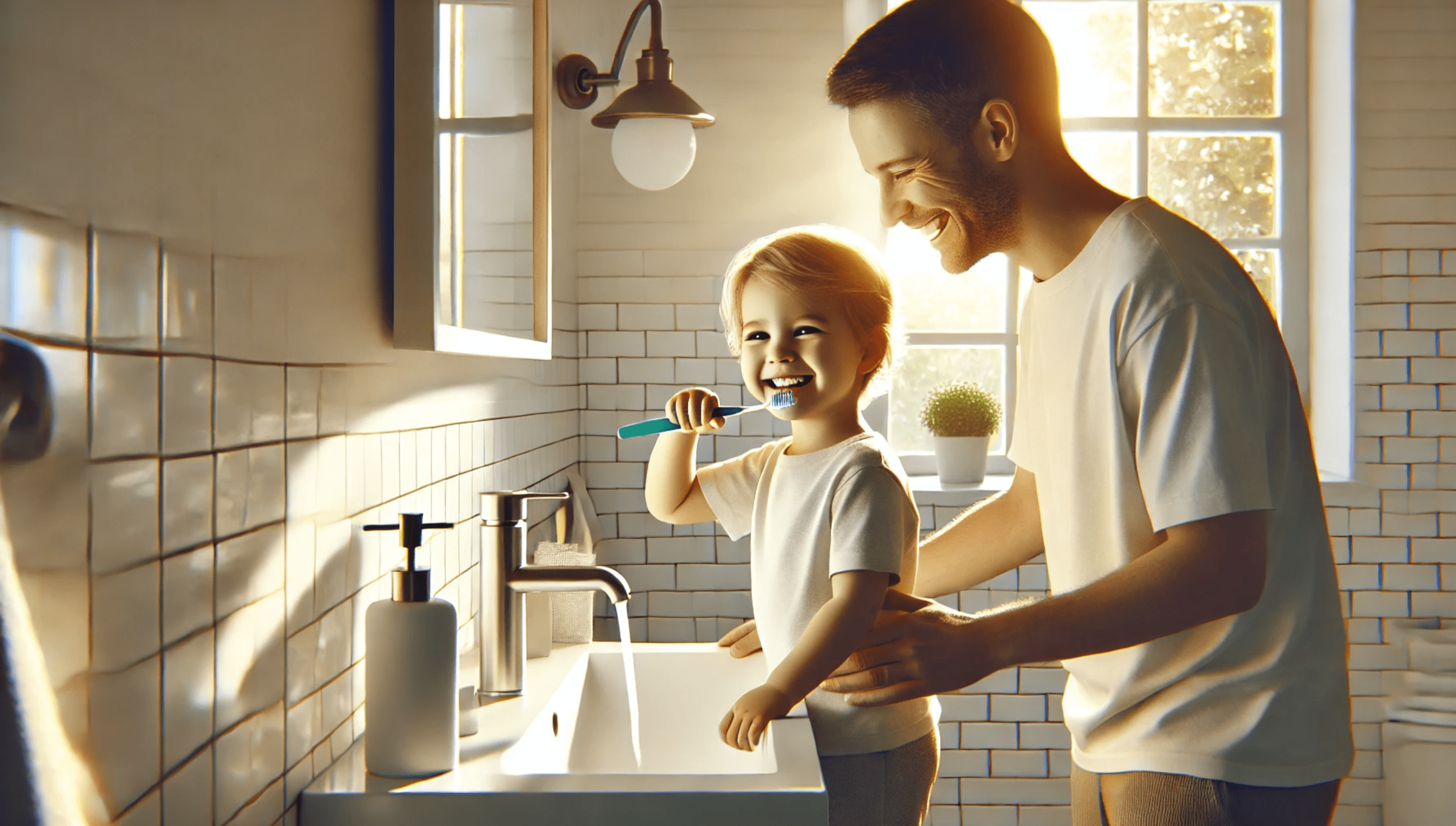
The formation of hygiene habits in children is not just about taking care of teeth cleanliness. This is an investment in the health, confidence and comfort of a child for many years to come. However, many parents face difficulties: children resist, act up, and forget. How can brushing your teeth become a habit instead of a daily struggle? Let's figure out when and how to start, what tools to use, and what will help instill a love of oral care without tears and persuasion.
When should I start my child's oral hygiene?
Care begins long before the first teeth appear. From the very first months of life, it is important to wipe the gums with a sterile cloth or silicone fingertip to remove milk residues and bacterial plaque. This reduces the risk of inflammation and forms a habit of touching in the oral cavity.
With the appearance of the first tooth (in 6-8 months), a special brush with soft bristles should be used. After two years, you can use a paste with a minimum fluoride content. Consult a pediatric dentist at Factor Smile in Dubai to find a safe option.
Why teach your child regular hygiene?
Many parents consider baby teeth to be "temporary" and don't pay them enough attention. However, this is a big misconception. The health of baby teeth is critically important not only for the comfort of the child in the present, but also for the formation of the correct jaw, bite and even the future attitude towards dentists.
Caries in children develops rapidly: due to the thin enamel and loose tissue structure, inflammation can move from one tooth to neighboring teeth in just a couple of weeks. Pain, swelling, fear of treatment, and even damage to the rudiments of permanent teeth are typical consequences of neglected hygiene in toddlers. All this is easily prevented if you form a hygiene habit in time and follow the doctor's recommendations.Proper oral hygiene in a child is the foundation on which future dental health is built:
- Prevents early caries and gingivitis — regular brushing removes plaque, food residues and bacteria that cause inflammation;
- Forms a beautiful smile and correct diction — the health of baby teeth affects the location of the tongue, pronunciation of sounds and the development of the speech apparatus;
- Reduces the fear of the dentist — a child who does not face pain and difficult treatment, calmly goes for routine checkups;
- It teaches you to take care of yourself on a regular basis. Self—brushing your teeth strengthens your sense of responsibility and caring for your own body.
It is important to understand that every missed hygiene day in childhood can cost not only dental health, but also future psychological attitudes. That is why the dentists of Factor Smile in Dubai strongly recommend starting care from the first months of life — and not stopping there.
Which tools should I choose?
The choice of hygiene products depends not only on the age of the child, but also on his level of development, motivation and habits. It is important not just to buy "baby" products, but to choose something that really suits the baby and makes daily cleaning safe and effective.- Toothbrush: should be soft, with rounded bristles, a small head and a comfortable handle. These parameters allow you to avoid injury to the gums and facilitate access to all areas of the oral cavity. The brush should be changed at least once every 2-3 months, as well as immediately after colds. Electric models are acceptable from the age of 3-4, especially if they increase the child's interest in cleaning. Brushes with your favorite cartoon characters can also be a great motivation.
- Toothpaste: is selected strictly according to age. For up to 3 years, the paste is used without fluoride or with a minimum of its content, the volume is no more than a grain of rice. From 3 to 6 years old, you can use a fluoride paste in the volume of a pea, if the child already knows how to spit foam. Fluoride helps strengthen enamel and prevent the development of caries, but excess fluoride can be harmful if swallowed. Therefore, it is important not to leave the baby alone during cleaning and explain how to use the paste correctly.
- Mouthwashers and dental floss: are introduced into care gradually, closer to school age, when the child can control the process. Mouthwashers help to remove food debris and strengthen enamel, especially in hard-to-reach areas. And flossing is necessary when the teeth are tightly positioned to prevent interdental caries. You need to use it carefully, teaching the child the correct technique or helping manually.
How to turn brushing teeth into a game?
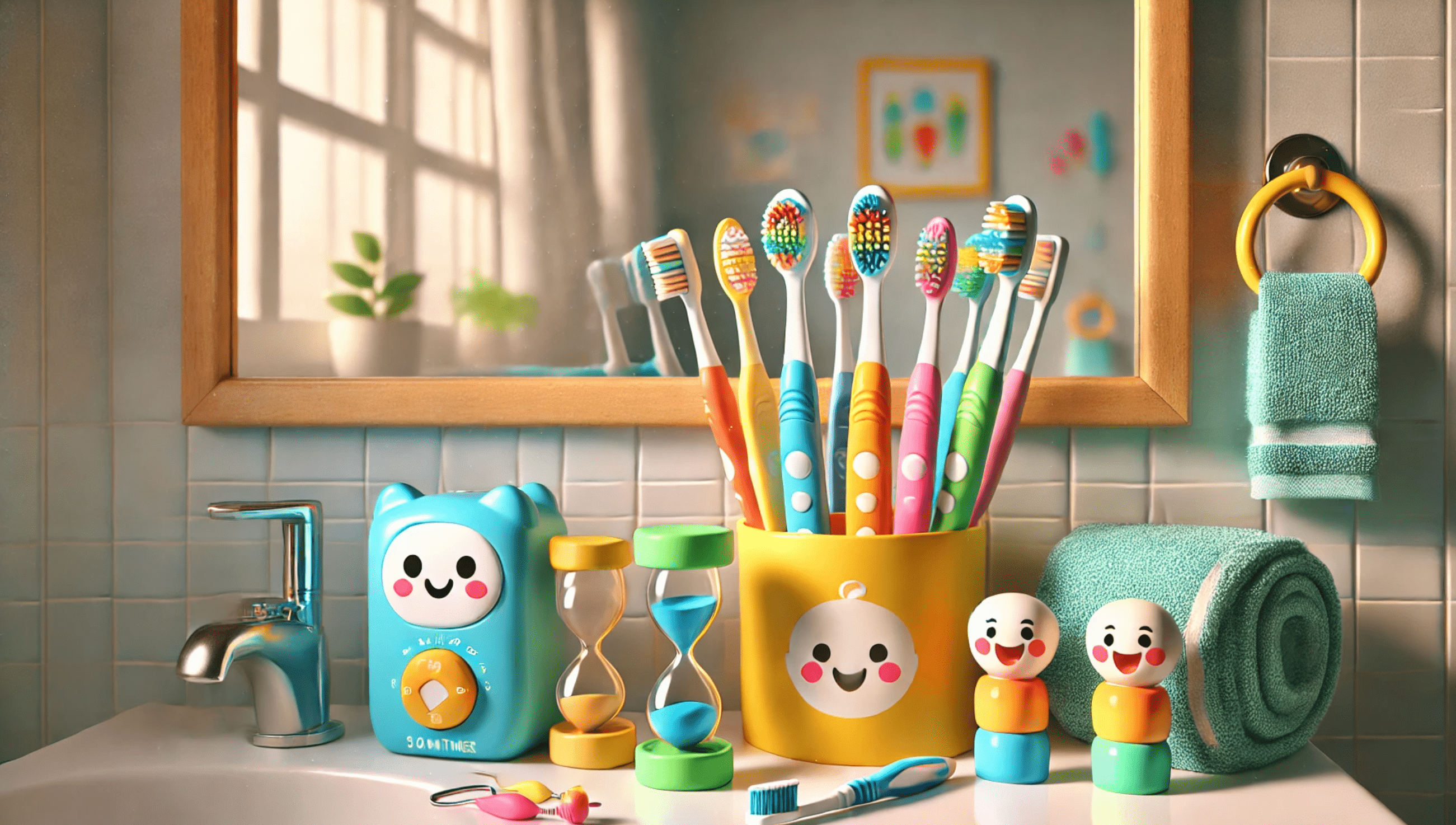
Children learn behavioral habits more easily if they are presented in the form of a game. This also applies to oral hygiene. If brushing teeth causes joy and interest in the child, and is not perceived as a boring duty, the regularity and quality of care noticeably improve. Here are proven techniques that help parents turn a routine procedure into a fun adventure.:
-
Brushing teeth together:
Children copy the behavior of adults. When a baby sees that mom and dad brush their teeth themselves in the morning and evening, he is happy to join in this process. You can put two brushes at one sink and do everything "mirrored", repeating the movements one after the other. This creates a sense of play and strengthens the emotional connection. -
Cartoons and applications:
There are special children's apps and YouTube videos with timers, songs and heroes that accompany cleaning and encourage the child. For example, animated brushes that "fight" germs, hold the child's attention for the right two minutes and turn hygiene into an exciting show. -
Brushes with favorite cartoon characters:
A brush with the image of a "Puppy Patrol" or a "Cold Heart" can be more powerful than any motivational speech. Pick a character that your child adores, and you'll be surprised how quickly he'll ask you to brush his teeth. -
Stickers and cleaning calendar:
Make a success chart — for each morning and evening cleaning, the child receives a sticker or an asterisk. When there are, for example, 14 stickers, you can give out a symbolic "prize" — a small toy, coloring book or a joint trip to the park. This creates an understanding of the value of regularity. -
Fairy tales about microbes and super teeth:
Come up with a story about kind "dental defenders" and harmful "carious monsters." Tell us how the super brush defeats villains, and the paste makes teeth as strong as armor. Such stories are easy to digest, develop imagination and help the child understand why all this is necessary.
The main rule is never bully a child. Phrases like "if you don't brush, your teeth will fall out" create anxiety and disgust. Pressure and threats destroy trust and provoke protest. It's better to show that self—care is natural, pleasant and fun. This is how a conscious habit is formed, which will remain with the child for life.
What should I do if my child refuses to brush his teeth?
Changing your strategy is the key to success. Often, the reason for refusal lies not in hygiene, but in sensations, an uncomfortable brush, an unpleasant paste, or a desire to attract attention.
Try it:
- change the brush to a softer one or a different design;
- change the taste of the paste;
- turn on your favorite music or song for 2 minutes;
- tell a story about a brave tooth and evil bacteria.
Don't forget to praise, even for trying. Forming a habit takes time — at least 3 weeks of daily practice.
First visit to the dentist
The first visit should take place before a year or immediately after the eruption of the first tooth. A pediatric dentist in Dubai will evaluate the development of the dental system, give advice on hygiene and nutrition, and teach proper cleaning.
Regular checkups — every 6 months. Do not wait for tooth decay to appear. Prevention is the most effective and painless way.
Additional preventive measures
- Fluoridation of teeth in children strengthens enamel and reduces the risk of caries;
- Sealing of fissures protects chewing surfaces from plaque and germs;
- Professional Hygiene — delicate and safe cleaning with training.
At Factor Smile we use gentle technologies and modern materials suitable for the youngest patients.
The role of parents and the clinic — union for health
In order to teach a child to care for teeth, it is important that both at home and in the clinic there are common messages: hygiene is important, but not scary. That is why at Factor Smile we are developing a partnership model — a parent, a doctor and a child unite to achieve the same result: healthy, strong and beautiful teeth without pain and fear.

Book a consultation.
Don't put off taking care of your smile.
Contact us by phone
+971 58 524 4003
WhatsApp
Online booking
Special offer!
Free dental consultation!
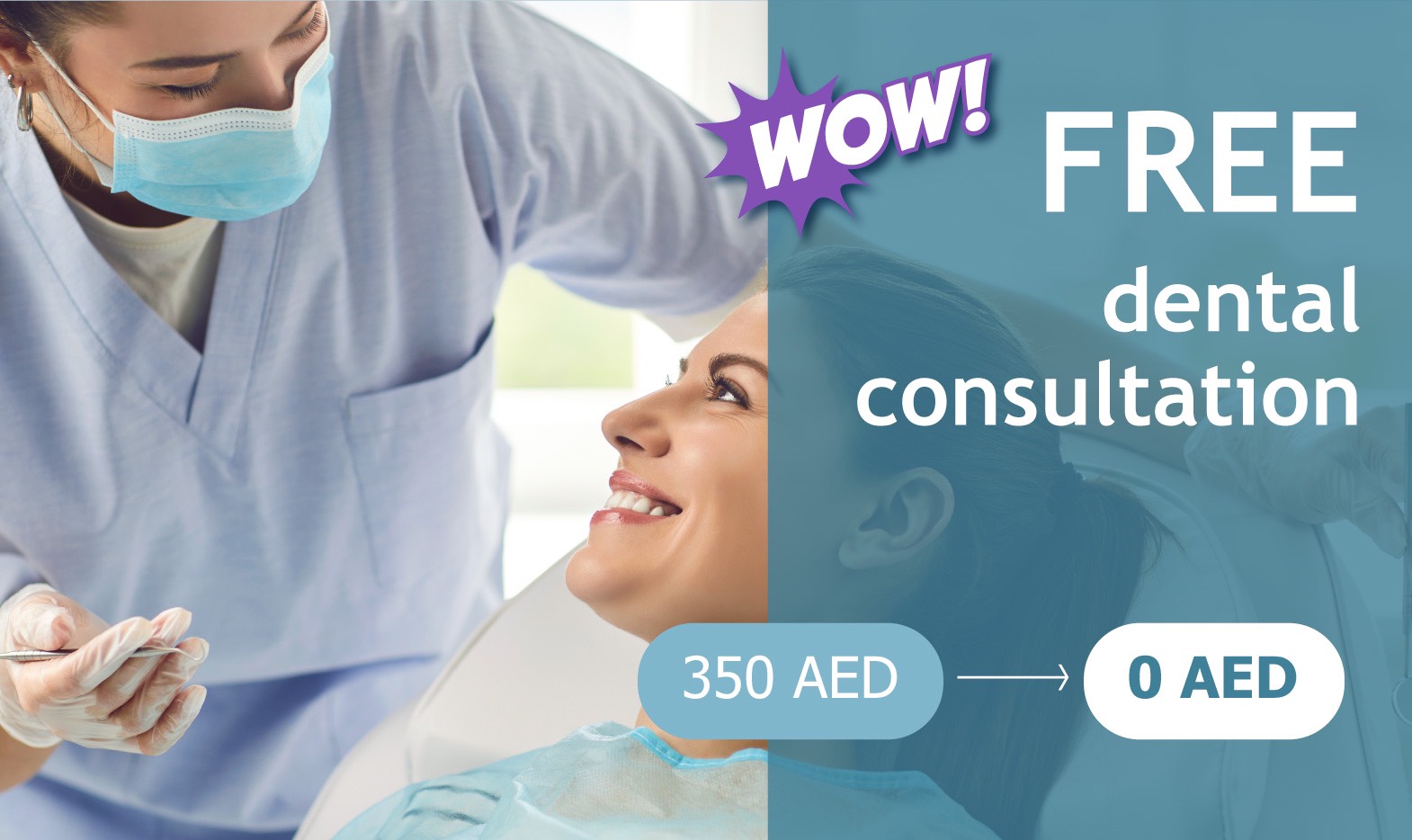
The Factor Smile clinic has a special offer for new patients - a free consultation with a dentist. Depending on the problem you are contacting us with, you can get a consultation from the following specialists: therapist, surgeon, orthopedist, orthodontist.
CONSULTATION INCLUDES:
-

Professional examination by a highly qualified doctor.
-

Treatment plan
Based on the results of the examination, an individual plan will be created for you with detailed information on the stages of treatment and an indication of the current cost.
Book a consultation.
Don't put off taking care of your smile.
Contact us by phone
+971 58 524 4003
WhatsApp
We use cookies!
We use cookies to make the site convenient to use. More detailed information can be found in privacy policy.Accept