Neuromuscular Dentistry in Dubai: the path to a perfect bite with Dr. Ronkin
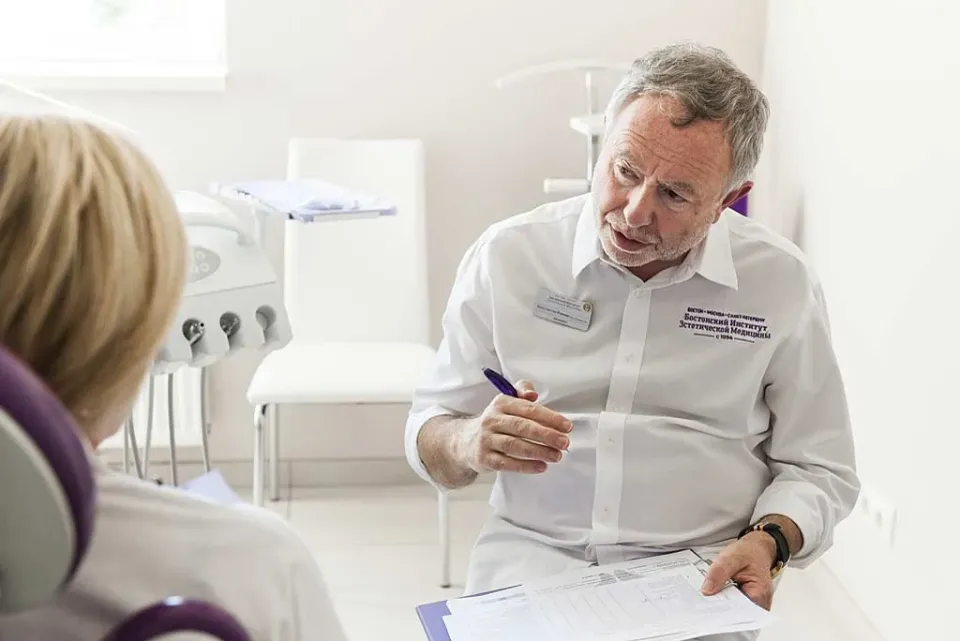
Modern dentistry is increasingly moving beyond the treatment of teeth alone. The health of the entire maxillary system, harmony of bite, relaxation of the muscles of the face and neck, elimination of headaches and even restoration of sleep quality — all this can be achieved thanks to neuromuscular dentistry. And in Dubai, one of the leading specialists in this field is Dr. Ronkin, a recognized international expert who practices at the Factor Smile Clinic.
What is Neuromuscular dentistry?
Neuromuscular dentistry is a modern and highly precise field in dental practice that considers the maxillary system as a single functional structure closely related to muscles, joints, spine and nervous system. This is not just an aesthetic correction of the bite, but a deep work with the causes of pain, asymmetry, dysfunction and even chronic fatigue.
Unlike traditional orthodontics, which focuses primarily on mechanical alignment of teeth, neuromuscular dentistry is based on the principles of functional medicine and biomechanics. She explores how the masticatory, temporal, cervical and facial muscles work, how harmoniously the joints are arranged, and how the lower jaw moves at rest and under stress.
Comprehensive diagnostics includes not only visual inspection, but also hardware measurements — from electromyography to tensiography, allowing you to accurately determine which muscle groups are under strain and which are in spasm. This is especially important in latent forms of TMJ dysfunction, when the patient complains of pain, but "the teeth are fine."
The neuromuscular approach takes into account:
- The position of the mandible relative to the temporomandibular joint (TMJ) is a key element of balance;
- The tone and work of the facial muscles at rest, when chewing, talking and stress reactions;
- Electromyographic data with high accuracy — up to microvolts of muscle activity;
- The condition of the cervical spine and posture — as the head, jaw and neck form a single biomechanical system;
- The parameters of breathing, swallowing, and speech are functions directly related to the position of the tongue, tension of the hyoid muscles, and bite.
This approach allows not just to align the teeth , as standard orthodontics does, but to create a physiologically correct, stable jaw position in which the muscles work without overload, the joints do not become inflamed, and breathing and swallowing become free. This brings not only pain relief, but also an improvement in the general condition of the body: sleep normalizes, tension disappears from the neck and shoulders, facial symmetry is restored, skin tone increases, and even mood improves.
Neuromuscular dentistry is based on the philosophy: not to suppress symptoms, but to eliminate their source. That is why it is indicated for patients with chronic pain, migraines, dizziness, gnashing of teeth (bruxism), tension in the jaw and neck, impaired posture, as well as those who have already tried other methods but have not received stable results.
When is neuromuscular diagnosis needed?
The method of neuromuscular dentistry is indicated not only for obvious malocclusion, but also for a number of symptoms that at first glance have nothing to do with dentistry. Patients have been turning to neurologists, osteopaths, and therapists for years, taking painkillers, and undergoing MRI scans, but the causes of discomfort remain unclear. And only after a visit to a neuromuscular dentist does the puzzle add up — everything turns out to be related to the position of the lower jaw, muscle overload and a violation of harmony in the work of the TMJ.
Here are just some conditions in which neuromuscular diagnosis and treatment can give results:
- Chronic headaches, migraines, neck and back pain are caused by constant tension of the masticatory and temporal muscles transmitted to the neck and occipital area;
- Clicks, crunching, or restriction of jaw movements when opening the mouth is a sign of temporomandibular joint (TMJ) dysfunction;
- Increased tooth erasure, gnashing (bruxism) — a consequence of malocclusion and muscle spasm, especially during sleep;
- Feeling of heaviness, tension in the temples and jaws — often accompanied by "fatigue" from chewing, ringing in the ears, pain in the cheeks and temples;
- Facial asymmetry, impaired posture — the incorrect position of the lower jaw can be compensated by the body through the misalignment of the shoulder girdle and the neck bend;
- Snoring, sleep apnea, restless sleep — is associated with a sunken jaw and airway blockage in malocclusion;
- Dissatisfaction with the aesthetics of the smile, the jawline, or the general appearance of the face — if the jaw is positioned incorrectly, the face may look slanted, sunken, sullen, or prematurely tired.
A visit to an experienced neuromuscular dentist can not only improve your smile, but also change your overall well—being, relieve chronic pain, and restore a sense of lightness and balance to your body. This is a completely different level of dental approach — not cosmetic, but restorative and functional.
Dr. Ronkin: World-class neuromuscular dentistry in Dubai
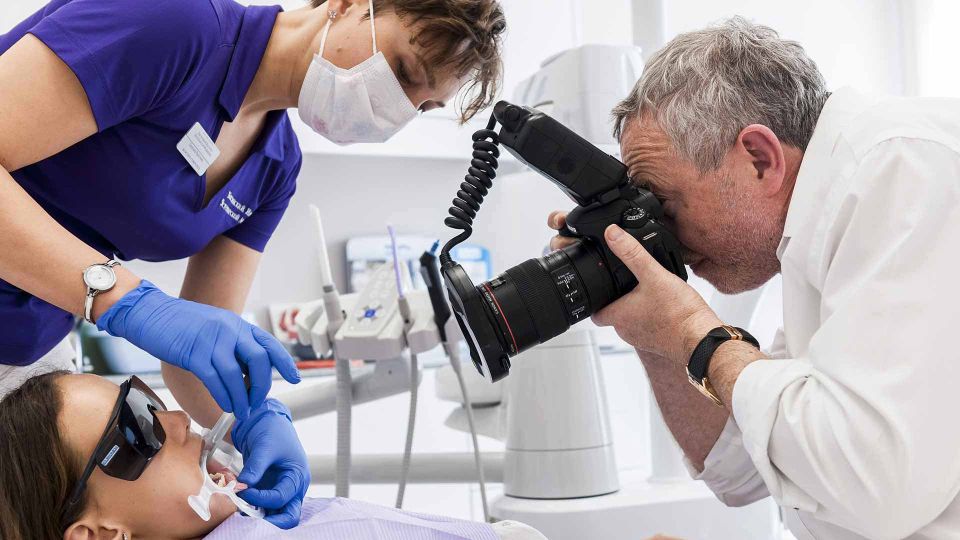
Dr. Ronkin's approach includes:
- Comprehensive neuromuscular diagnostics using the K7 Evaluation System (Myotronics);
- Spot electromyography and analysis of TMJ position;
- Manufacture of individual neuromuscular caps (orthotic);
- Step-by-step restoration of bite and harmony of facial structures;
- Support during orthodontic, orthopedic or surgical treatment.
Patients from Dubai and other countries come to Dr. Ronkin for results that cannot be obtained in standard dentistry. It's not just a treatment — it's about restoring balance, function, and quality of life.
Treatment stages in the neuromuscular approach
The treatment process in neuromuscular dentistry does not begin with manipulation, but with deep and high-precision diagnostics. This is a key stage at which the foundation of the entire future plan is laid. After all, only by understanding exactly where the imbalance occurs — in muscles, joints, jaw position or posture — can you find a safe and effective solution.
Diagnostics includes several steps, each of which provides valuable data:
- Collection of medical history, assessment of complaints and symptoms. The doctor asks the patient in detail about the pain, sensations, injuries, sleeping habits, jaw positions during meals and rest. It often reveals important details that were previously overlooked.
- Functional tests of the TMJ and facial muscles. The mobility of the lower jaw, the presence of clicks, asymmetry of movements, and pain zones when pressed are evaluated. These data help to understand how the entire dental system works in dynamics.
- Electromyography (EMG). This is a hardware study that allows you to record the level of muscle tension in the masticatory and temporal muscles at rest and when chewing. This is often where hypertension is found, leading to headaches, bruxism, and malocclusion.
- Tensiography. Measures the trajectory of the jaw movement when opening and closing the mouth. Even the slightest deviation from symmetry indicates the need for bite correction and TMJ stabilization.
- Postural analysis and photometry of the face. It allows you to evaluate the symmetry of the shoulders, posture, tilt of the head and the position of the jaw relative to the center of the body. This is especially important, as malocclusion can cause a skewed spine, facial asymmetry, and tension in the cervical region.
After the diagnosis is completed, the doctor draws up a personalized neuromuscular correction plan. At the first stage, a temporary neuromuscular mouth guard is usually used, an individual device that the patient wears for several weeks. The mouth guard helps to relax overloaded muscles, stabilize the joint and return the jaw to its physiologically correct position without interfering with the dentition.
Against the background of such relaxation, many patients experience relief for the first time in a long time: the pain disappears, clicks disappear, posture is leveled, and the clear symmetry of the face returns. This condition is called the "neuromuscular balance point" and serves as a guideline for subsequent orthodontic or orthopedic treatment (if necessary).Further, depending on individual characteristics, can be applied:
- orthodontic braces or aligners for fixing the physiological position of the jaw;
- restorations, inlays, veneers to restore the anatomy of teeth;
- an appointment with an osteopath or neurologist with the participation of a multidisciplinary team.
Advantages of neuromuscular dentistry
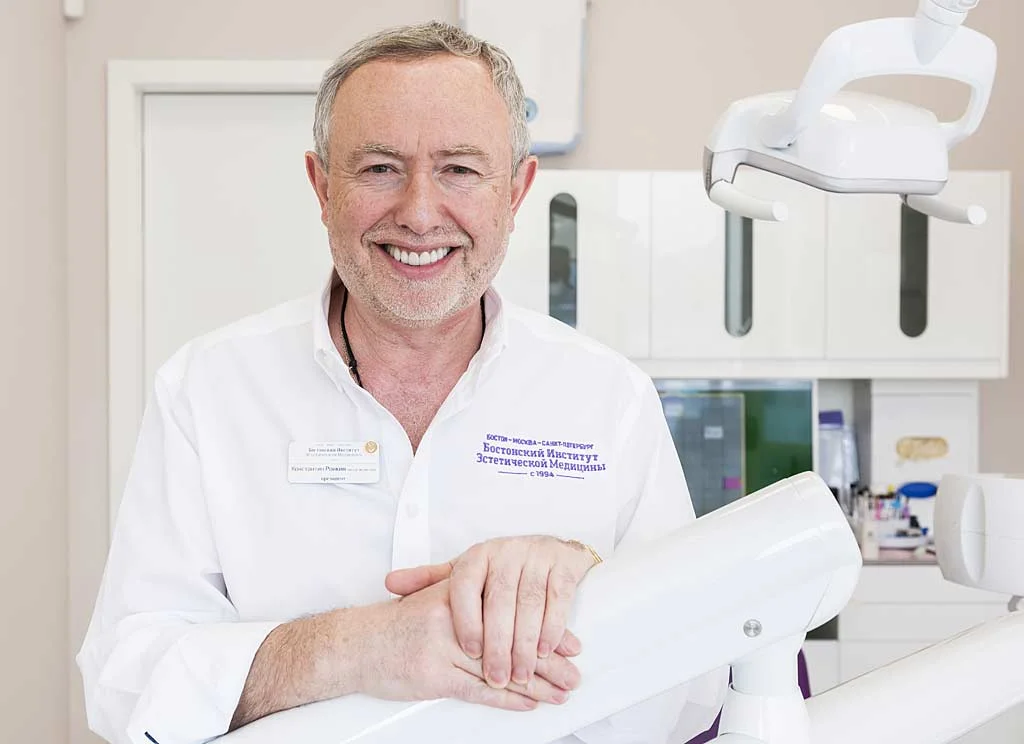
Why are more and more people in the world choosing the neuromuscular approach?
- Does not "mask" the symptoms, but eliminates the causes;
- Restores health not only to teeth, but also to the whole body;
- Relieves chronic pain associated with TMJ dysfunction;
- Improves sleep, posture, appearance and self-confidence;
- It helps even in difficult cases where other methods have failed.
Thanks to neuromuscular dentistry in Dubai, patients receive not only a healthy smile, but also a new point of balance — literally.
Who is particularly interested in neuromuscular dentistry?
If you encounter one or more of the symptoms described above, it is most likely due to the incorrect position of the jaw. The neuromuscular approach is particularly effective in:- Prolonged pain in the jaws, head, neck, back;
- Difficult cases of malocclusion;
- Unsuccessful orthodontic or orthopedic treatment;
- Functional asymmetry of the face and body;
- Bruxism and sleep disorders;
- Chronic fatigue, anxiety, dizziness.
At the Factor Smile Dubai clinic, Dr. Ronkin works with each patient individually, building an individual treatment strategy. His approach combines precision, science and care — at all stages of interaction.
Why do patients choose Factor Smile and Dr. Ronkin?
- Unique international experience and certification;
- Advanced equipment: K7, TENS, 3D analysis and photometry;
- Personalized approach to each case;
- The results are confirmed by cases and patient reviews;
- Security, transparency and honesty at all stages.
Schedule a consultation with Dr. Ronkin at the Factor Smile Clinic in Dubai and find out how neuromuscular dentistry can change not only your smile, but also your life.

Book a consultation.
Don't put off taking care of your smile.
Contact us by phone
+971 58 524 4003
WhatsApp
Online booking
Special offer!
Free dental consultation!
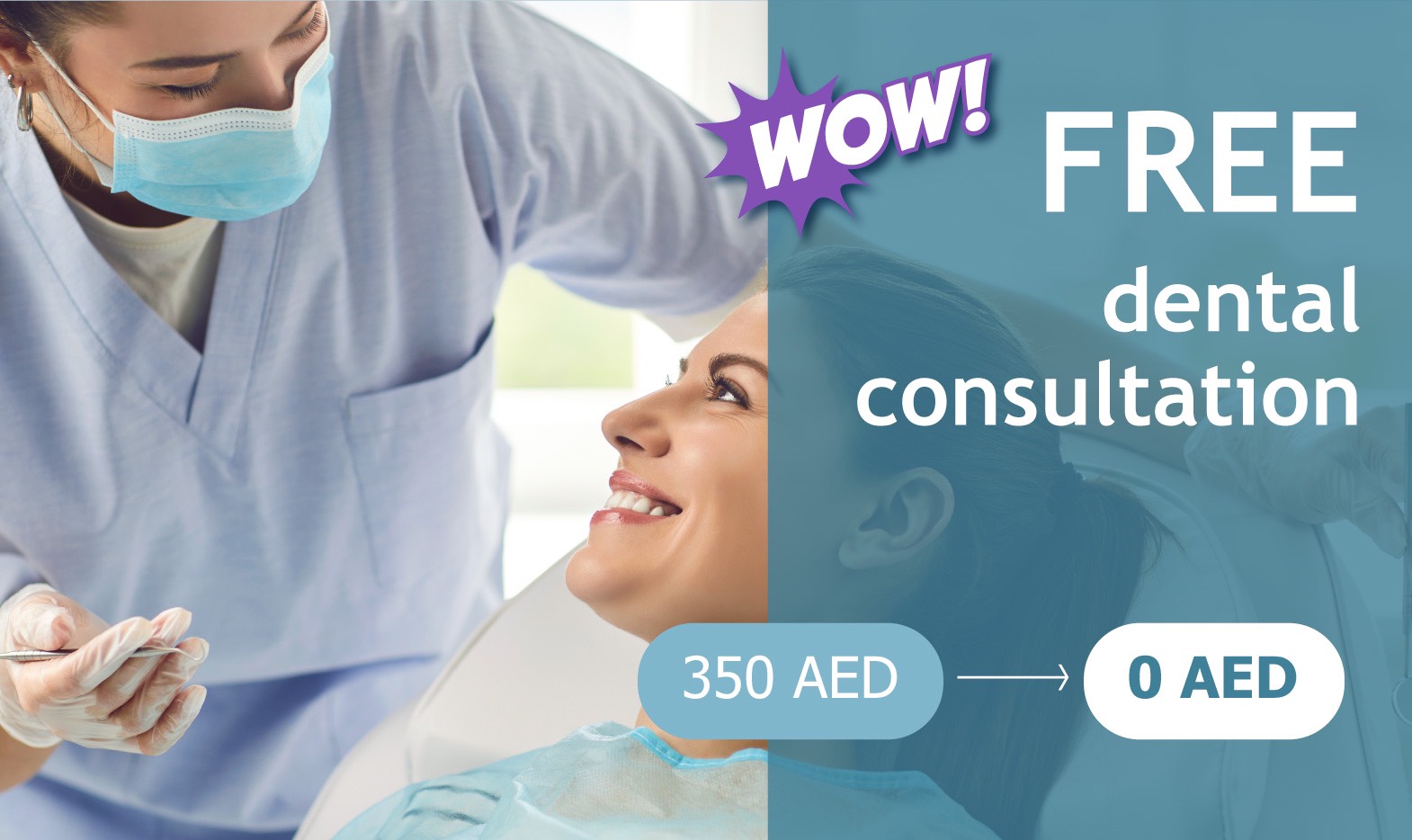
The Factor Smile clinic has a special offer for new patients - a free consultation with a dentist. Depending on the problem you are contacting us with, you can get a consultation from the following specialists: therapist, surgeon, orthopedist, orthodontist.
CONSULTATION INCLUDES:
-

Professional examination by a highly qualified doctor.
-

Treatment plan
Based on the results of the examination, an individual plan will be created for you with detailed information on the stages of treatment and an indication of the current cost.
Book a consultation.
Don't put off taking care of your smile.
Contact us by phone
+971 58 524 4003
WhatsApp
We use cookies!
We use cookies to make the site convenient to use. More detailed information can be found in privacy policy.Accept