
Single-Stage vs. Conventional Dental Implants: Which Method is Right for You?
Implantation: Choosing the Right Strategy to Meet Your Expectations
Dental implantation is no longer a "one-size-fits-all" procedure. Today, patients are often offered a choice: single-stage or conventional implantation. Both methods are effective but serve different purposes and aren't suitable for everyone. Choosing the wrong tactic can lead to unnecessary steps, longer treatment times, or implant overload. It is crucial to understand the difference to find the optimal solution for your case.
The Fundamental Difference Between the Methods
The main difference lies in the timing and sequence of stages.
- Conventional Implantation: Involves placing the implant followed by a healing period before prosthetics are attached. This is a step-by-step, highly predictable approach.
- Single-Stage Implantation: Combines implant placement and gum shaping (sometimes with a temporary crown) into one surgical step.
Useful fact: The difference between the methods is not about "quality," but about the biomechanics of healing and the allowable load on the bone.
Conventional Implantation: The Gold Standard
This method is preferred for most clinical cases. After placement, the implant is left unloaded, allowing the bone to integrate securely with the surface. It is ideal if:
- The tooth has been missing for a long time;
- There is bone deficiency or a need for bone grafting;
- The patient has systemic risk factors.
Single-Stage Implantation: The Essence
While seen as "fast tooth restoration," the load must be strictly controlled. It is only possible with:
- Sufficient bone volume and density;
- Absence of active inflammation;
- Precise digital planning.
Speed vs. Stability: What Matters Most?
In implantation, long-term stability is the key factor, not speed. Single-stage wins in time and immediate aesthetics. Conventional wins in reliability and versatility.
Useful fact: With proper selection, the success rate for both methods is equally high.
Who is Each Method For?
Single-Stage Approach is best if:
- The tooth was recently extracted and bone is preserved;
- Immediate aesthetics are vital (smile zone);
- No bone grafting is required.
Conventional Protocol is best for:
- Long-term tooth loss and bone atrophy;
- Complex clinical conditions;
- Maximum durability under high chewing loads.
The Factor Smile Approach: Focus on Results
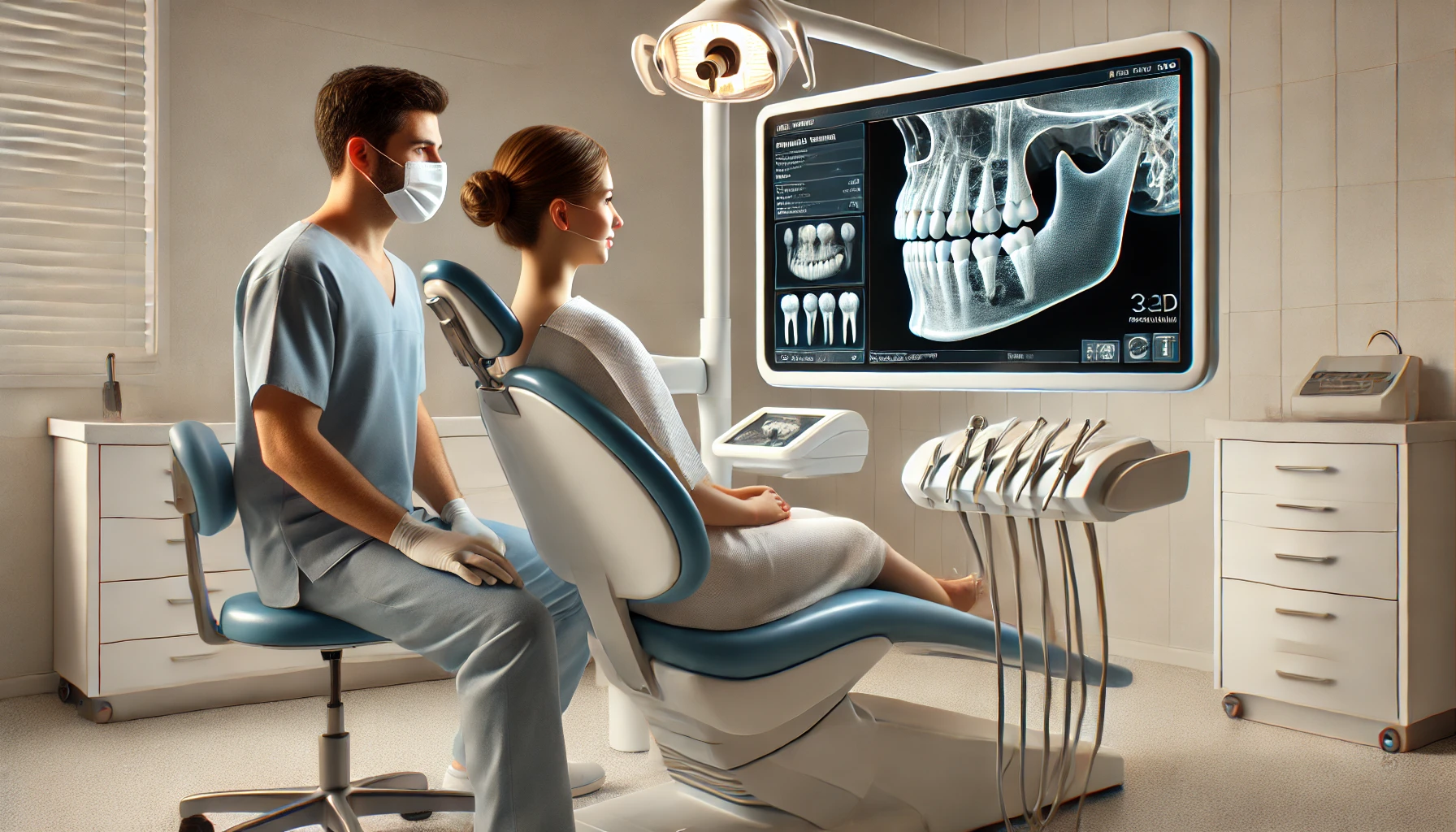
We don't use "template" solutions. We perform precise diagnostics (CT, bite assessment) and choose the method based on medical indications to ensure the result stays stable for 5–10 years.
Conclusion: The right method is the one that fits you personally. Book a consultation at Factor Smile to find a solution that lasts for years, not just the first month.

Book a consultation.
Don't put off taking care of your smile.
Contact us by phone
+971 58 524 4003
WhatsApp
Online booking
Special offer!
Free dental consultation!

The Factor Smile clinic has a special offer for new patients - a free consultation with a dentist. Depending on the problem you are contacting us with, you can get a consultation from the following specialists: therapist, surgeon, orthopedist, orthodontist.
CONSULTATION INCLUDES:
-

Professional examination by a highly qualified doctor.
-

Treatment plan
Based on the results of the examination, an individual plan will be created for you with detailed information on the stages of treatment and an indication of the current cost.
Book a consultation.
Don't put off taking care of your smile.
Contact us by phone
+971 58 524 4003
WhatsApp
We use cookies!
We use cookies to make the site convenient to use. More detailed information can be found in privacy policy.Accept