
Pulpitis and periodontitis: what is the difference and how to treat
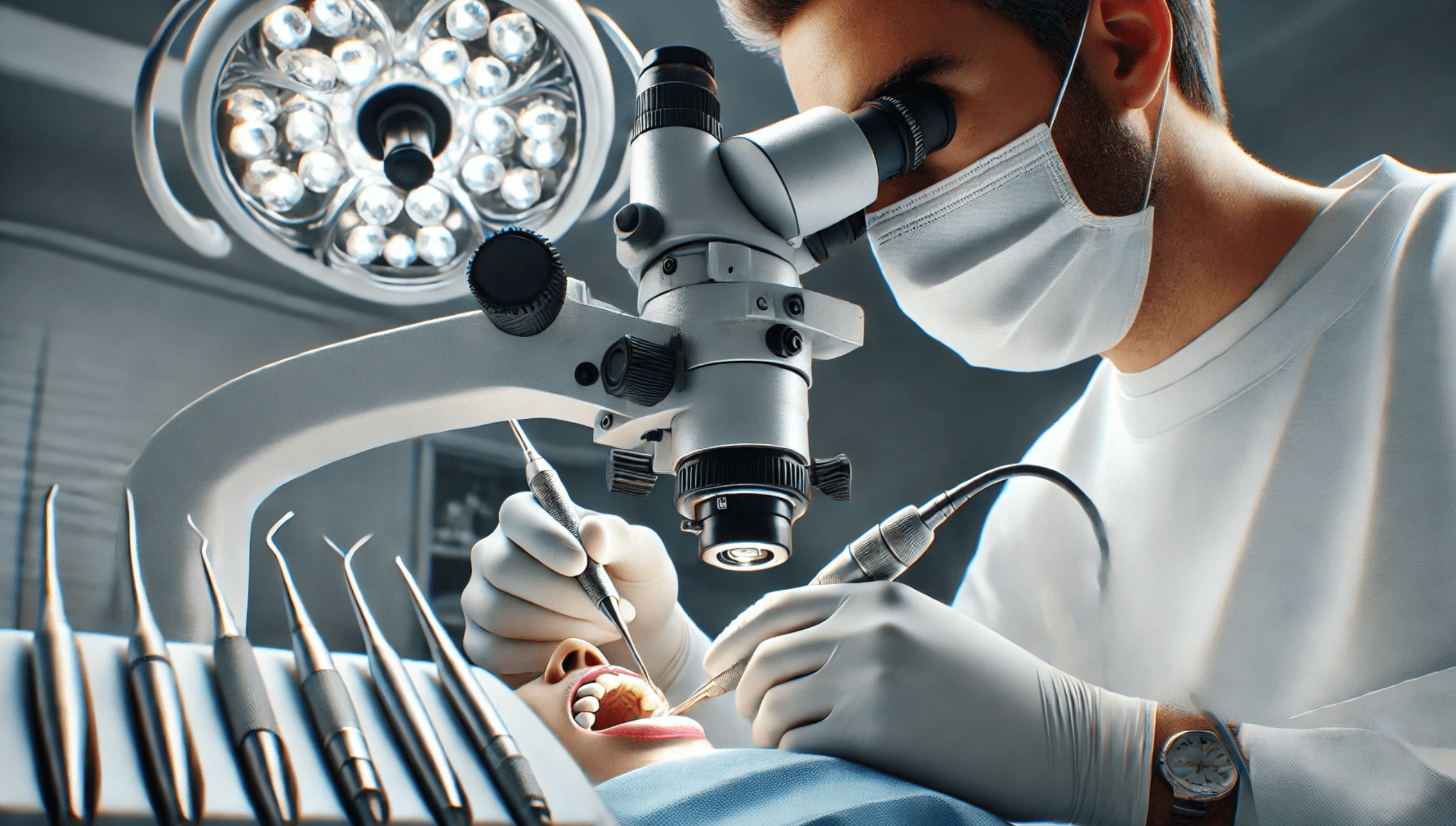
Pulpitis and periodontitis are among the most common and dangerous causes of toothache. Despite the similar symptoms, these are completely different diseases affecting different anatomical structures of the tooth. Pulpitis affects the internal soft tissue part — the pulp, which contains nerves and blood vessels. Periodontitis develops already outside the root canal and affects the tissues that hold the tooth in the bone — the periodontium. Both conditions can start with harmless caries, but progress quickly and lead to serious consequences, including tooth loss or the development of chronic inflammation. The sooner the patient seeks help, the higher the chances of a painless, gentle and maximally effective treatment while preserving their own teeth.
What is pulpitis?
Pulpitis is an inflammation of the pulp, the inner soft tissue of the tooth, which contains blood vessels, nerves and connective tissue. It is thanks to the pulp that the tooth is alive, sensitive and reacts to stimuli. With advanced caries, the infection penetrates deep into the dentine and reaches the pulp, causing inflammation. The inflamed pulp bursts inside the hard walls of the tooth, which causes severe pain. This condition is no longer a superficial problem — it requires endodontic treatment and can develop rapidly.
Pain in pulpitis is characterized by high intensity and is often confused by patients with pain in the ear, head or jaw joint. The pain may appear spontaneously, for no apparent reason, and then disappear — but each new attack becomes more painful. At night, with a change in temperature or after eating, pain can literally deprive you of sleep and rest.Symptoms of pulpitis:
- Intense, throbbing pain that occurs suddenly and increases in the evening or at night;
- Hypersensitivity to hot, cold and sweet — the pain does not go away immediately after the removal of the irritant;
- Radiating pain to the ear, temple, neck, opposite side of the jaw;
- Unpleasant sensations when touching the tooth with the tongue or biting food;
- Exacerbation in the horizontal position — especially often patients complain of inability to fall asleep due to pulsating pressure in the tooth.
What is periodontitis?
Periodontitis is an inflammatory disease of the tissues surrounding the root of the tooth. It develops when an infection from the pulp (the inner chamber of the tooth) penetrates beyond the root canal and spreads to the periodontal connective tissue complex that holds the tooth in the alveoli (bone socket). Unlike pulpitis, periodontitis is no longer limited to internal structures and is often accompanied by the destruction of bone tissue around the tooth.
The pain in periodontitis is not acute and throbbing, as in pulpitis, but dull, oppressive. Most often, the patient complains of a feeling that the tooth has become "longer", "pops out" of the hole. It reacts painfully when biting, especially on solid food. With a purulent form, swelling, fluxes, and an unpleasant taste in the mouth may appear.The main signs of periodontitis:
- Pain when chewing, pressing, or lightly tapping a tooth;
- The feeling of a "grown—out" tooth - as if it stands out from the general row;
- Swelling and redness of the gums in the projection of the root, sometimes the formation of a fistula (a small hole with the exit of pus);
- Fever, feeling of weakness, malaise;
- Bad breath, especially in the presence of purulent exudate;
- In advanced cases, tooth mobility and the threat of tooth loss;
- In the chronic course, there is little or no pain, but the changes are visible on X—rays or CT scans.
Pulpitis and periodontitis: what is the difference?
Many patients confuse these terms. However, the difference between pulpitis and periodontitis is fundamental:
| A sign of | Pulpitis | Periodontitis |
|---|---|---|
| Localization of inflammation | Inside the tooth (pulp) | Around the root of the tooth (periodontal) |
| The nature of the pain | Acute, spontaneous, throbbing | Pain when biting or pressure |
| Complications | Transition to periodontitis | Cyst formation, tooth loss |
| Treatment | Pulp removal, channel sealing | Multiple channel treatment, anti-inflammatory therapy |
Treatment of pulpitis and periodontitis
How is pulpitis treated?
Pulpitis is treated under local anesthesia. Depending on the location of the tooth and the anatomy of the roots, the doctor chooses infiltration or conduction anesthesia in dentistry. This ensures complete pain relief and comfort throughout the procedure.- Removal of pulp (depulpation):
After anesthesia, the dentist opens the tooth cavity, thoroughly removes the inflamed pulp and cleanses the root canals. This is the most important stage, as it is here that the source of infection is eliminated. - Mechanical and antiseptic treatment:
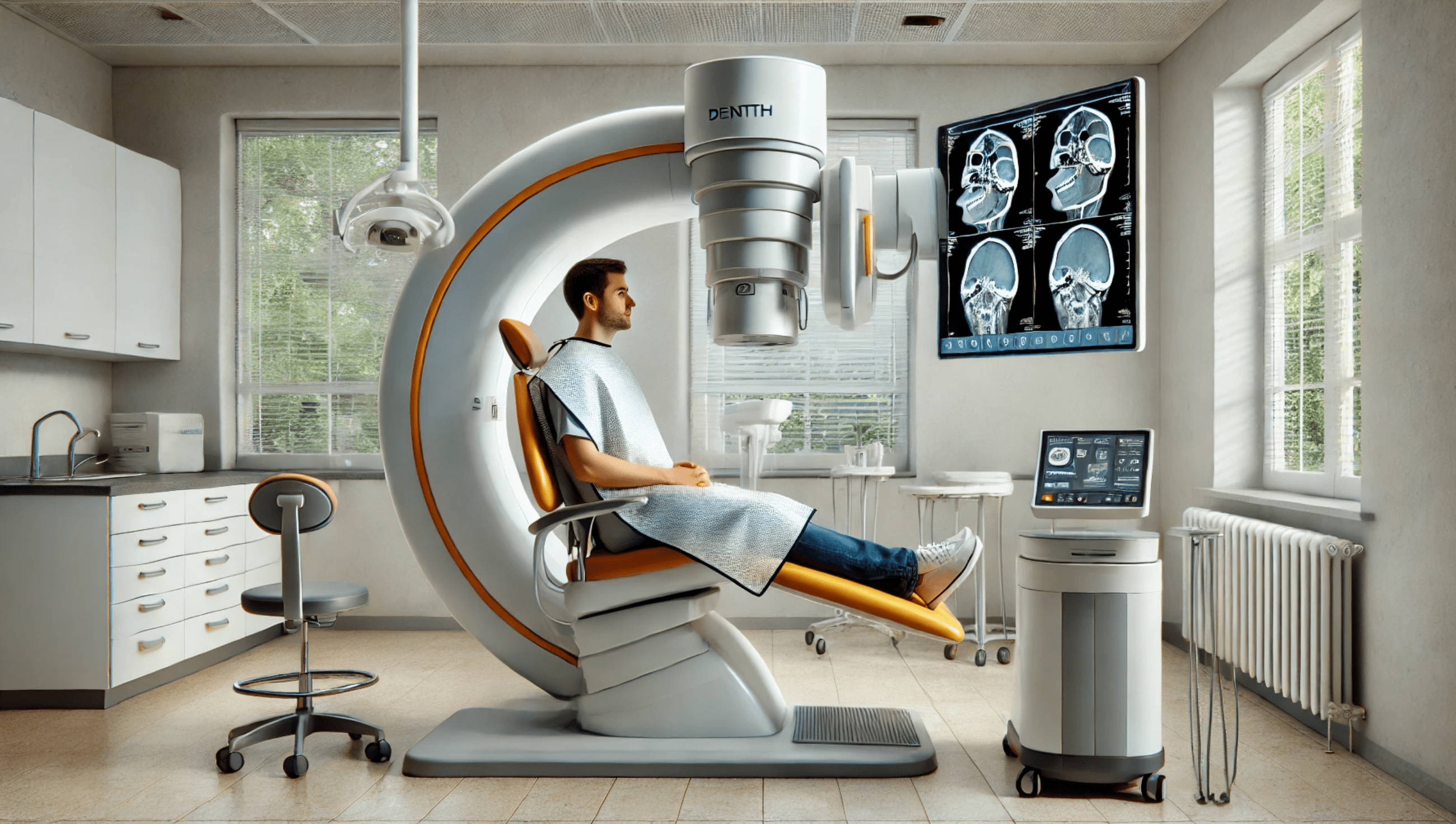
The channels are treated with the finest tools and irrigation solutions. The doctor uses magnifying optics and machine endodontics to achieve perfect cleanliness even in the most inaccessible areas. - Channel sealing:
After complete sanitation, the root canals are hermetically filled with special biocompatible materials, such as gutta—percha. This prevents re-infection. - Tooth restoration:
A temporary seal is installed, and after a checkup, a permanent one. If the tooth is severely damaged, it may need to be repaired with an inlay or crown.
How is periodontitis treated?
Treatment of periodontitis is longer and more complex, as the inflammation extends beyond the tooth and affects the surrounding tissues. It always starts with high-quality anesthesia and a thorough diagnosis.
- Opening and rehabilitation of channels:
The doctor reveals the channels, even if they have already been treated before. If necessary, the old filling material is removed. The channels are cleaned and expanded to ensure the outflow of pus and access of medicines to the infection site. - The use of medicines:
After cleansing, special pastes and solutions based on antiseptics, antibiotics and calcium are placed in the channels. These compounds destroy the pathogenic flora and promote the healing of tissues around the root. - Inter-reception breaks:
The treatment is carried out in several stages with intervals of 3-7 days. The patient comes for repeated visits to monitor the condition, replace medications and gradually restore the tooth structure. - Final sealing:
After the symptoms subside and the X-ray picture normalizes, the doctor fills the channels with permanent material and restores the crown of the tooth. If there is extensive damage, it may be necessary to install a pin or crown. - Observation:
The patient remains under observation. After 3-6 months, repeated X-ray monitoring is performed to assess the condition of the bone and exclude recurrence of inflammation.
What types of anesthesia are used in dentistry?
Modern anesthesia in dentistry is a safe and highly effective method of anesthesia that allows you to perform even complex procedures without discomfort. In the treatment of inflammatory diseases such as pulpitis and periodontitis, doctors most often use:
- Infiltration anesthesia — suitable for anesthesia of one or more teeth, especially in the upper jaw. The drug is injected into the mucous membrane, quickly blocking pain impulses in the area of intervention. This method is characterized by a rapid onset of action and spot effectiveness.
- Conduction anesthesia is used in the treatment of the lower jaw, where anatomical features require blocking of the nerve trunk. The doctor injects the drug into the projection of the mandibular nerve, which makes it possible to anesthetize several teeth and surrounding tissues at once. This type of anesthesia provides a long-lasting effect and deep analgesia.
Which anesthesia in dentistry will be optimal for you is decided by the doctor at the reception. The specialist takes into account:
- the location of the inflammation and the type of tooth (incisor, molar, etc.);
- individual sensitivity and the presence of allergies;
- the patient's previous experience and anxiety level;
- concomitant diseases and the general condition of the body.
What is the danger of procrastination?
Here's what can happen if you refuse treatment:
- The formation of granulomas and cysts is a chronic inflammation at the root of the tooth that forms cavities filled with pus or fibrous tissue. They can develop asymptomatically for a long time, destroying the bone and spreading the infection.
- Destruction of bone tissue — with prolonged inflammation, the tissues surrounding the tooth are affected: periodontium and alveolar bone. This can lead to mobility and tooth loss, and in severe cases, bone atrophy, which complicates subsequent prosthetics or implantation.
- Abscess development — during exacerbation, pus accumulates in the tissues, forming a limited focus of inflammation with pronounced swelling and pain. The patient may experience fever, general malaise, and the need for urgent surgery.
- Phlegmon and sepsis — if the infection breaks through the boundaries of the maxillary region, it can spread to the soft tissues of the face and neck. This is an extremely dangerous condition that requires hospitalization, systemic antibiotic therapy, and often resuscitation.
Why the Factor Smile in Dubai?
We do not treat the symptoms, but the cause — efficiently, accurately and carefully. We use the latest types of anesthesia in dentistry, safe drugs, microscopic technology and digital diagnostics. The doctor will first tell you how anesthesia differs in dentistry, select the appropriate one, and only after approval will he begin treatment.Make an appointment right now — and make sure that dentistry can be comfortable!

Book a consultation.
Don't put off taking care of your smile.
Contact us by phone
+971 58 524 4003
WhatsApp
Online booking
Special offer!
Free dental consultation!

The Factor Smile clinic has a special offer for new patients - a free consultation with a dentist. Depending on the problem you are contacting us with, you can get a consultation from the following specialists: therapist, surgeon, orthopedist, orthodontist.
CONSULTATION INCLUDES:
-

Professional examination by a highly qualified doctor.
-

Treatment plan
Based on the results of the examination, an individual plan will be created for you with detailed information on the stages of treatment and an indication of the current cost.
Book a consultation.
Don't put off taking care of your smile.
Contact us by phone
+971 58 524 4003
WhatsApp
We use cookies!
We use cookies to make the site convenient to use. More detailed information can be found in privacy policy.Accept