
Root tip resection is an alternative to tooth extraction
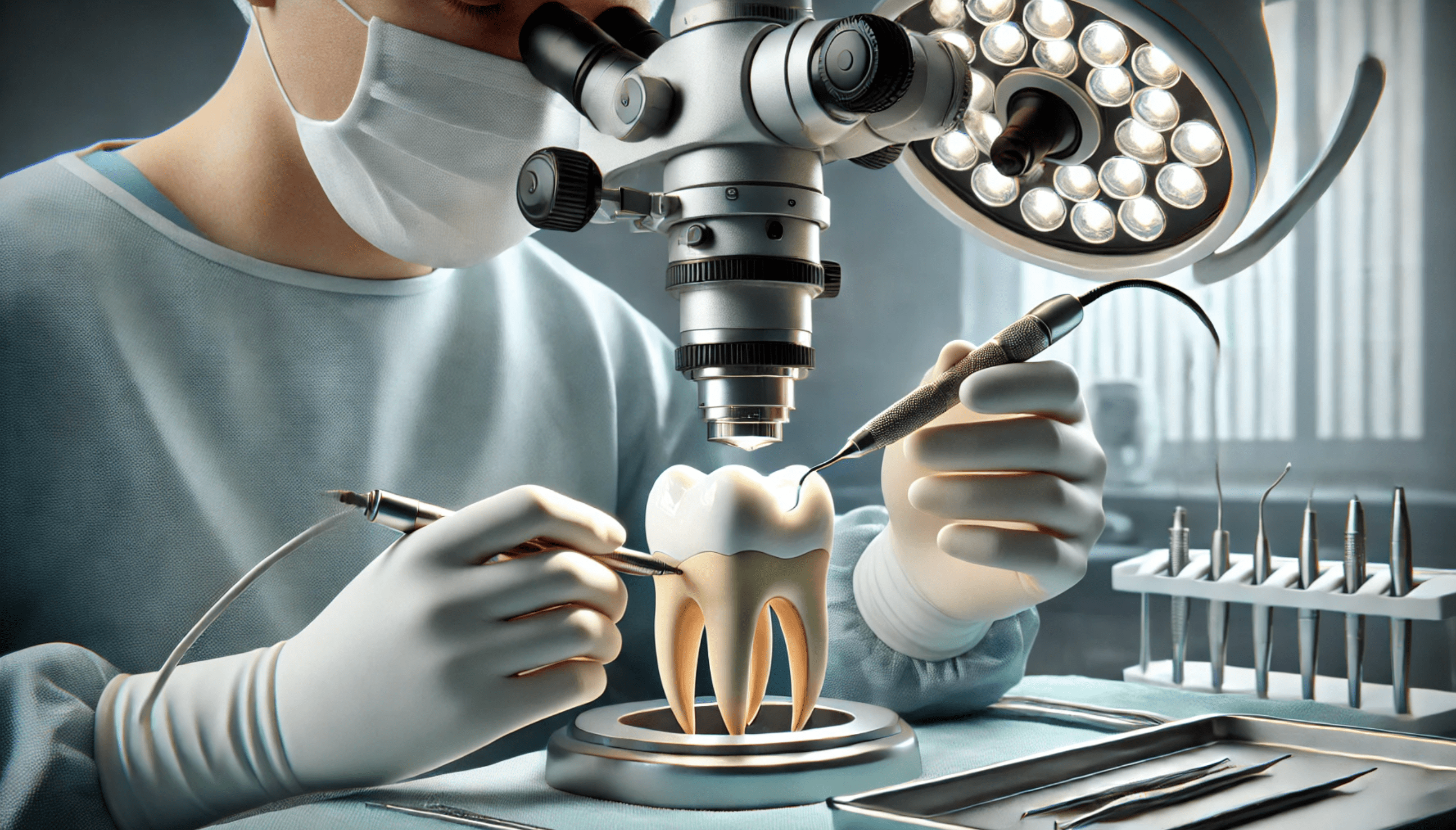
Tooth extraction is an extreme measure that modern dentists resort to only when restoration is impossible. However, even with chronic inflammation of the root, there is a chance to save the tooth with root tip resection, a low—traumatic microsurgical operation aimed at removing the infected area without losing the entire tooth.
What is root tip resection?
Resection is a microsurgical operation in which the inflamed tip of the tooth root is removed along with a pathological focus: a cyst, granuloma, or chronically infected tissues. This procedure allows you to save a tooth even in cases where it seemed hopeless. The main difference from removal is the preservation of the main part of the root and the dental crown, which makes it possible to preserve the natural chewing function and aesthetics of the dentition.
Usually root tip resection is used in cases where traditional endodontic treatment(root canal treatment) proved ineffective or the infection developed again after filling. The doctor surgically gets access to the problem area, eliminates the focus of inflammation and seals the channel on the reverse side, which eliminates further infection.
The procedure is performed on an outpatient basis, under careful local anesthesia — both infiltration and conduction anesthesia, depending on the location of the tooth. The duration of the operation is usually from 30 to 60 minutes. Thanks to modern technologies and optical magnification (for example, dental microscopes), the intervention is performed as accurately and gently as possible, without damaging the surrounding tissues.
After resection, the chronic focus of infection is eliminated, the spread of inflammation to the bone, gum and adjacent teeth is prevented, and the possibility remains for further prosthetics or restoration of the tooth, if necessary. This makes the procedure not only effective, but also strategically important for the comprehensive dental health of the patient.
Indications for resection

The decision to perform root tip resection is made by an experienced dental surgeon after a comprehensive examination, which includes a clinical examination, anamnesis analysis, 3D diagnostics (CBCT) and radiography. Only on the basis of the full picture can a doctor assess the feasibility of an intervention, weigh all the risks and benefits for a particular patient.
Main indications for resection:
- Detection of a tooth cyst is a cavity formation filled with fluid or pus located at the tip of the root. Such cysts can develop asymptomatically for a long time, but later lead to bone destruction and chronic inflammation.
- The presence of chronic periodontitis, especially if it persists or recurs after previous root canal treatment. In this case, resection becomes a way to permanently eliminate the source of infection.
- Fracture of the tooth root in its apical (apical) part, in which complete fixation or filling is impossible. Resection allows you to preserve the remaining part of the root and restore tooth function.
- Canal obstruction is a situation in which it is impossible to qualitatively repair the canal due to anatomical features, curvature or obstruction. The operation allows you to remove the focus of inflammation through apical access.
- The presence of a foreign body in the canal, for example, a fragment of an endodontic instrument that cannot be removed conservatively and which provokes chronic inflammation.
- The patient's desire to preserve the tooth in the absence of contraindications. Sometimes patients fundamentally do not want to have a tooth removed, especially if it is important for aesthetics or the support of the prosthesis. In such cases, resection becomes a reasonable alternative to extraction.
Contraindications to surgery
Despite its high efficiency and gentle nature, root tip resection cannot be a universal method and has a number of contraindications. The doctor always takes into account not only the condition of a particular tooth, but also the patient's general health, possible risks and prognosis.
Absolute and relative contraindications to resection:
- Severe tooth mobility caused by periodontal collapse or loss of bone support. If the tooth is loose, then preserving its root loses its meaning, and the load after the intervention can only increase mobility.
- The destruction of the root is higher than 1/3 of its length. For the successful functioning of the tooth, a sufficient supporting part of the root must remain after resection. If the root is shortened too much, the structure loses stability, and the tooth must eventually be removed.
- Inflammation of several roots of one tooth, especially if the lesion affects more than two channels. In such a situation, it is easier and more reliable to perform removal followed by implantation or prosthetics.
- Deep cracks and longitudinal splits of the roots. Even with the removal of the tip of the root, the crack will progress, which over time will lead to infection and tooth loss. In such cases, surgical intervention is considered inappropriate.
- General contraindications to surgical treatment are severe forms of cardiovascular diseases, cancer in the active stage, decompensated diabetes mellitus, blood clotting disorders and other conditions in which surgery may pose a threat to the patient's health.
Before making a decision, a comprehensive examination is carried out, including both dental diagnostics and consultations with related specialists if there are chronic or acute systemic diseases. At the Factor Smile Clinic in Dubai, we adhere to the principle of maximum safety and individual approach to each patient.
Procedure steps

In Factor Smile dentistry, resection surgery is performed strictly according to international standards. The microscope, ultrasound technology and laser technologies are used, which ensures accuracy, minimal tissue injury and rapid healing. All the steps have been worked out to the smallest detail:
- Diagnostics: At this stage, computed tomography (CT) is performed, which allows you to evaluate the anatomy of a tooth, the location of a cyst or granuloma, and the condition of bone tissue in 3D format. A consultation with a specialist is conducted, the presence of contraindications is clarified and an individual intervention plan is drawn up.
- Anesthesia: Anesthesia is performed using modern drugs for anesthesia in dentistry, based on the patient's characteristics. infiltration or conduction anesthesia is used, depending on the location of the tooth and the anatomy of the jaw. This ensures complete absence of pain throughout the procedure.
- Opening access: The surgeon makes a small incision in the projection area of the root tip. The work is carried out under a microscope — this allows you to preserve healthy tissues and minimize interference. Sometimes laser coagulation is used to reduce bleeding.
- Removal of the inflammatory focus: Through the formed access, infected tissue is removed — a granuloma, cyst, or inflamed root area. The surrounding area is thoroughly cleaned and antiseptic treatment is performed using ultrasound or laser.
- Channel sealing: The root area that has undergone resection is sealed using special biocompatible materials. This protects the inner cavity from reinfection and ensures structural strength for years to come.
- Suturing and rehabilitation: The incision is sutured with cosmetic sutures, and if necessary, anti-inflammatory and antibacterial drugs are prescribed, as well as a course of mild rehabilitation. After a few days, the patient can return to his usual life.
Advantages of the method
- Tooth preservation — no implant is required;
- High success rate — with proper technique, more than 90% of cases are completed successfully;
- Fast recovery — minimal discomfort and injury;
- Aesthetics — one's own tooth is preserved, the bite and the smile line are not disturbed.
Postoperative period
After surgery, moderate soreness and swelling may occur within 1-3 days. The doctor prescribes mild anti-inflammatory treatment, gentle hygiene, and a follow-up. The stitches are removed after 7-10 days.
Within a month, the tooth and bone are fully restored, and a person can chew again without pain and fear of complications.
Frequently Asked Questions
Is Resection permanent?
Yes, provided that the hearth is successfully removed and the channels are properly sealed. Repeated intervention is usually not required.
Is it possible to perform a resection under the crown?
In some cases, yes. If access to the root is possible from the vestibular (external) side, the crown is preserved. In other situations, it is temporarily removed and restored after healing.
How much does the procedure cost?
The cost depends on the complexity, the number of roots, the need for diagnostics, and the technologies used. You can find out the exact price at a clinic consultation.
Why choose Factor Smile
In our clinic, resection is performed by experienced dental surgeons with extensive practical experience and international certificates. We use Carl Zeiss microscopes, laser equipment, and atraumatic techniques.
The procedure is performed under comfortable anesthesia, without pain and stress. Each stage is monitored on a digital image. We strive to preserve each of your teeth and are confident: resection is a chance, not a last resort.

Book a consultation.
Don't put off taking care of your smile.
Contact us by phone
+971 58 524 4003
WhatsApp
Online booking
Special offer!
Free dental consultation!
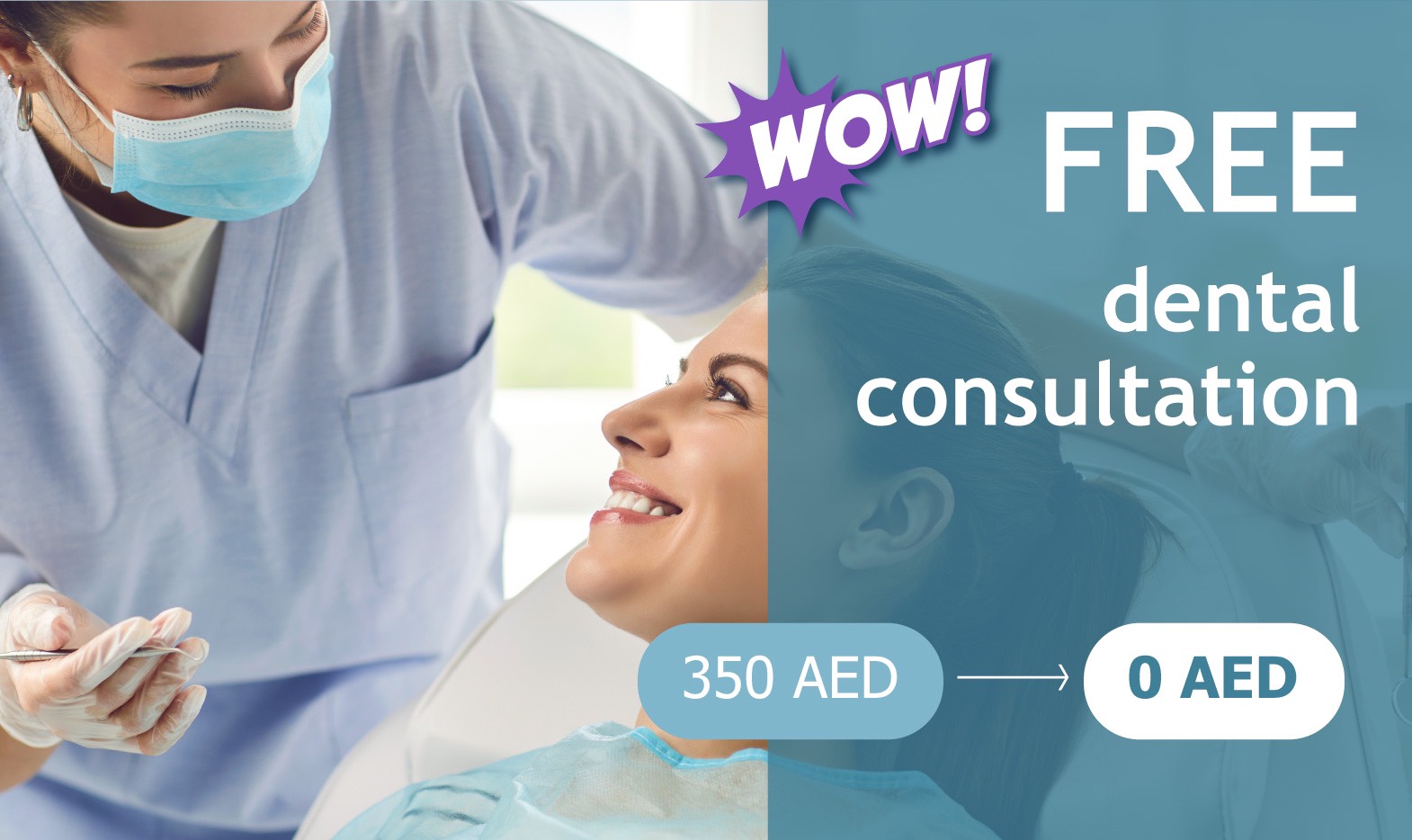
The Factor Smile clinic has a special offer for new patients - a free consultation with a dentist. Depending on the problem you are contacting us with, you can get a consultation from the following specialists: therapist, surgeon, orthopedist, orthodontist.
CONSULTATION INCLUDES:
-

Professional examination by a highly qualified doctor.
-

Treatment plan
Based on the results of the examination, an individual plan will be created for you with detailed information on the stages of treatment and an indication of the current cost.
Book a consultation.
Don't put off taking care of your smile.
Contact us by phone
+971 58 524 4003
WhatsApp
We use cookies!
We use cookies to make the site convenient to use. More detailed information can be found in privacy policy.Accept