Sedation in Dentistry: The Path to Pain-Free Treatment
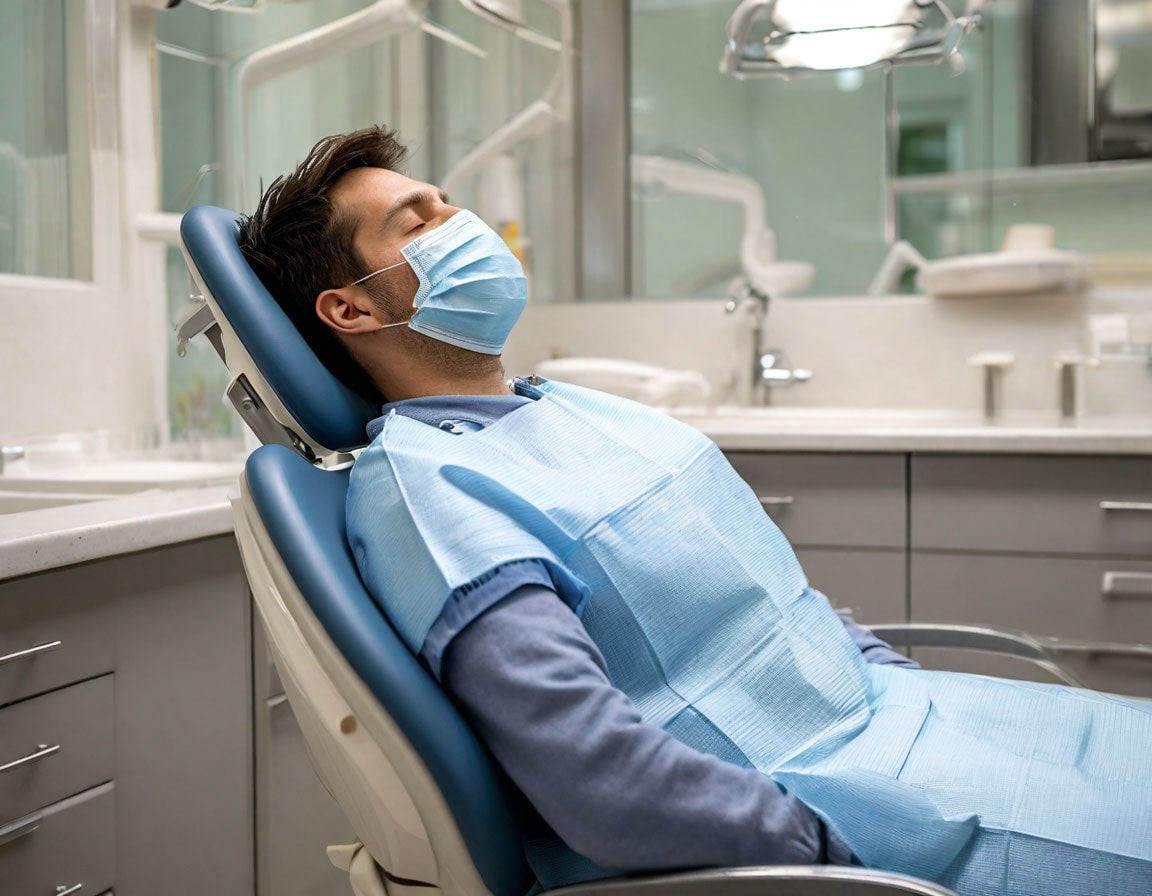
In recent years, sedation in dentistry has played a major role in advancing patient comfort. This innovation has revolutionized the perception of dental care, shifting it from a stressful experience to one involving minimal discomfort and virtually painless treatment.
- Introduction to Sedation
- Nitrous Oxide Sedation: The Comfort Technology
- Why Sedation Becomes the Choice №1 for Patients and Doctors
- The Advantages of Sedation Over Traditional Methods
- Contraindications to Sedation: When to Refrain
Introduction to Sedation
Until recently, dental procedures primarily relied on local anesthesia, which often failed to eliminate discomfort entirely. The emergence of sedation in dentistry has dramatically transformed the approach to pain management, allowing patients to undergo treatment in a state of deep relaxation and ease.
Nitrous Oxide Sedation: The Comfort Technology
The most common method of sedation today is the use of nitrous oxide. This method allows achieving a state of relaxation and reducing painful sensations without a complete loss of consciousness. Thanks to precise dosage regulation, an anesthesiologist can easily control the depth of sedation, ensuring safety and comfort for the patient.
Why Sedation Becomes the Choice №1 for Patients and Doctors
Sedation allows patients to overcome fear and anxiety before dental procedures, significantly simplifying the work of doctors. Moreover, this method enables the performance of several complex procedures in a single visit, saving patients' time and resources.
The Advantages of Sedation Over Traditional Methods
The key advantage of sedation is its ability to provide relaxation and comfort without deep pharmacological sleep. This makes the procedure safe and accessible even for children and patients with high emotional excitability.
Contraindications to Sedation: When to Refrain
Despite a wide range of benefits, sedation is not suitable for everyone. There are certain contraindications, such as respiratory diseases, infectious diseases, allergies to the components of sedative drugs, which require a careful approach to the choice of anesthesia method.
Conclusion
Sedation in dentistry opens new horizons for pain-free and comfortable treatment. Thanks to this technique, a visit to the dentist is no longer associated with painful sensations and stress, making dental care accessible and pleasant for patients of all ages.