
Dry mouth in the morning: What does this have to do with teeth?
Do you wake up feeling dry, tight, or burning in your mouth? This may seem like a minor inconvenience, but regular dry mouth in the morning is an alarming signal that is often associated with dental and gum health. At the Factor Smile clinic in Dubai, we are considering xerostomia (the medical term for dry mouth) as a symptom that requires attention, diagnosis, and a competent approach.
Why does dry mouth occur in the morning?
Dry mouth is a condition in which the amount of saliva produced decreases significantly or stops altogether. In medicine, this phenomenon is called xerostomia. Despite its apparent harmlessness, xerostomia can negatively affect the health of the entire oral cavity, especially if it occurs regularly. In the morning, the symptoms are felt most vividly, since at night the activity of the salivary glands decreases physiologically. However, if you constantly wake up feeling dry, tight, plaque, or burning, it's important to pay attention to the possible causes.:
- Breathing through the mouth during sleep. This is one of the most common causes of morning dryness. When the nose is stuffy (with allergies, rhinitis, curvature of the septum, etc.), a person involuntarily breathes through his mouth. The airflow quickly dries out the mucous membrane, especially if you sleep with your mouth open. Habits also have an effect: for example, sleeping on your back with your mouth slightly open or snoring.
- Obstructive sleep apnea syndrome. This is a pathological condition in which short-term respiratory arrest occurs during sleep. Each such pause is accompanied by a sharp intake of breath, often through the mouth, which increases the evaporation of moisture. People with sleep apnea also experience daytime sleepiness, headaches, and irritability. Often the cause is overweight, weakness of the pharyngeal muscles, or malocclusion.
- Taking medications. Some medications reduce the activity of the salivary glands. Antihistamines (for allergies), diuretics (diuretics), antidepressants, tranquilizers, and blood pressure medications are especially common causes of dryness. Side effects can occur even at a normal dosage, especially in older people or with a combination of several medications.
- Dehydration of the body. Lack of fluids during the day, increased sweating, alcohol intake, smoking and caffeine abuse all affect the water balance. With insufficient water intake, saliva becomes viscous, its production slows down, and the mucous membranes dry out. Against the background of chronic dehydration, even a normal night's sleep can be accompanied by severe dryness in the morning.
- Pathology of the salivary glands. This can be both acute inflammation (sialoadenitis) and chronic autoimmune processes. The most famous of these is Sjogren's syndrome, in which the tissues of the salivary and lacrimal glands are gradually destroyed. Such conditions require diagnosis by a dentist, rheumatologist, and ENT doctor.
- Age-related changes. Saliva production naturally decreases in people over 50-60 years of age. This is due not only to age-related tissue atrophy, but also to taking a large number of medications, chronic diseases, and a decrease in overall body hydration. Patients often perceive dryness as the "norm" of age, although in reality it is a symptom that can and should be corrected.
It is important to understand that dry mouth is not just an unpleasant sensation. It can be a marker of systemic diseases, affect the health of teeth and gums, and cause problems with speech, chewing, and taste. Therefore, if this condition recurs regularly, it is necessary to undergo an examination by a specialist, for example, at the Factor Smile dental clinic in Dubai, where they work with such cases comprehensively: from diagnosis to bite correction and selection of oral moistening methods.
How does dry mouth affect teeth?
Saliva is not just a moisturizing liquid. It performs the most important protective functions for the oral cavity:
- washes away food residues and neutralizes acids;
- contains enzymes and immune proteins that protect against bacteria;
- maintains the balance of microflora and acid-base environment;
- participates in the remineralization of enamel.
When saliva production is disrupted, ideal conditions are created for the development of caries, gingivitis, periodontitis and other diseases. The acidity of the environment increases, the tooth enamel collapses faster, and the gums become vulnerable to inflammation. Patients complain of plaque, bad breath, cracked tongue, and tooth sensitivity.
Dry mouth and snoring: the connection with overbite
Few people associate morning dry mouth with the position of the jaws and teeth, but it is overbite that often triggers respiratory disorders and drying out of the mucous membrane. With malocclusion pathologies, such as narrowing of the upper jaw, displacement of the lower jaw, or crowding of teeth, the position of the tongue and lips changes during sleep. This provokes a partial opening of the mouth during sleep and, as a result, active evaporation of moisture from the surface of the mucous membrane.
In addition, malocclusion affects the patency of the respiratory tract. Narrowing of the anus of the pharynx, displacement of the tongue, or uncoordinated work of the pharyngeal muscles increase the likelihood of snoring and episodes of obstructive sleep apnea. These conditions not only interfere with proper rest, but also create conditions for regular xerostomia — dry mouth in the morning.
Also, a malformed bite is often accompanied by an incorrect position of the head and neck during sleep, which increases the load on the jaw joint, disrupts nasal breathing and exacerbates the problem of an open mouth at night. All this forms a vicious circle: malocclusion → open mouth → dryness → snoring and deterioration of the general condition.
In Factor Smile, we consider xerostomia as a multifaceted problem. Our approach includes:
- 3D scanning of bite and jaw position with high accuracy;
- assessment of breathing patterns and tongue position using modern digital models;
- consultations of related specialists — orthodontist, somnologist, if signs of snoring or breathing disorders are detected during sleep;
- personalized treatment — from the installation of orthodontic structures to the selection of protective caps and sleep correction.
This multidisciplinary approach makes it possible to eliminate not only the symptom of dry mouth, but also the root cause, whether it is overbite, tongue position, or night breathing. Factor Smile patients receive not just treatment, but a solution that takes into account their anatomy, lifestyle, and long-term effects.
How we diagnose the problem at the Factor Smile Clinic
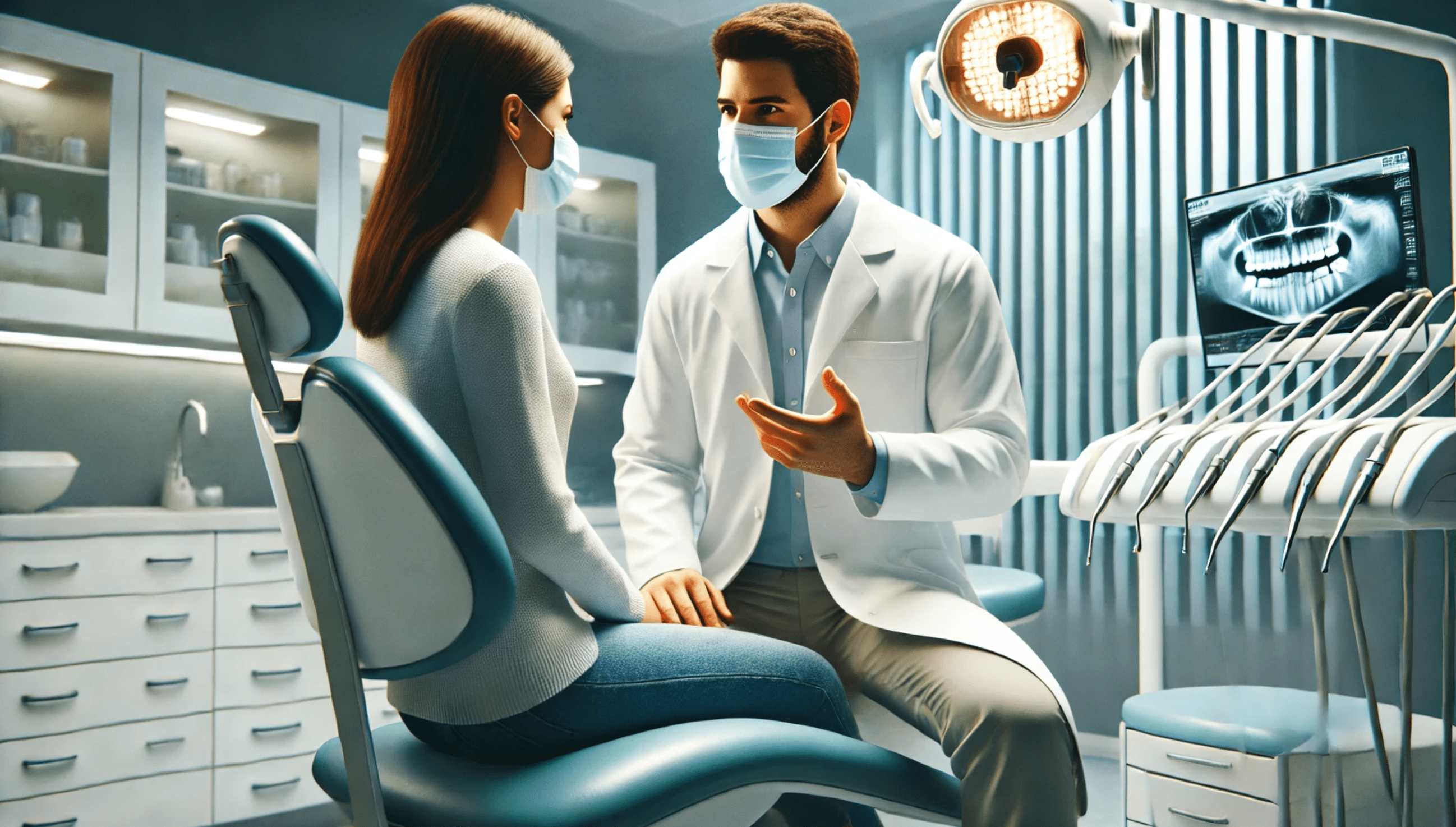
To determine the true cause of dry mouth, it is important to consider the problem in its entirety. Our clinic uses:
- 3D computed tomography of the jaws and nasopharynx;
- Assessment of the bite and position of the tongue using a digital scanner;
- Consultation with a therapist or an otorhinolaryngologist if systemic or anatomical causes are suspected;
- Diagnosis of the hygienic status of the oral cavity — detection of foci of inflammation, plaque, early caries.
What to do with dry mouth: modern solutions
At Factor Smile, we select individual therapy programs that may include:
- Respiratory correction — recommendations for positional sleep, use of nasal dilators, referral to an ENT doctor;
- Orthodontic treatment — correction of bite and jaw position, which reduces the likelihood of mouth breathing during sleep;
- Occupational hygiene and enamel remineralization — protection of teeth from destruction in conditions of saliva deficiency;
- Saliva substitute products — moisturizing gels, sprays and mouthwashes that reduce discomfort and support the microflora;
- Correction of diet and drinking regime — elimination of dehydration, selection of products that stimulate salivation.
Why do patients choose Factor Smile?
We offer not just treatment of a symptom, but a comprehensive approach that takes into account all factors, from dental to general somatic. Here you will receive:
- an experienced team of doctors of various profiles;
- modern diagnostics and expert-level equipment;
- a personalized treatment plan tailored to lifestyle and health;
- maximum comfort and care at every stage of interaction;
- guarantees for all types of treatment and hygiene.
Make an appointment for a consultation
Dry mouth is not the norm, especially if it recurs every morning. Do not delay your visit to a specialist: contact Factor Smile and undergo a diagnosis in order to maintain the health of your teeth, gums and the whole body. The appointment is available online and by phone — choose a convenient time and come to the appointment in the coming days.

Book a consultation.
Don't put off taking care of your smile.
Contact us by phone
+971 58 524 4003
WhatsApp
Online booking
Special offer!
Free dental consultation!
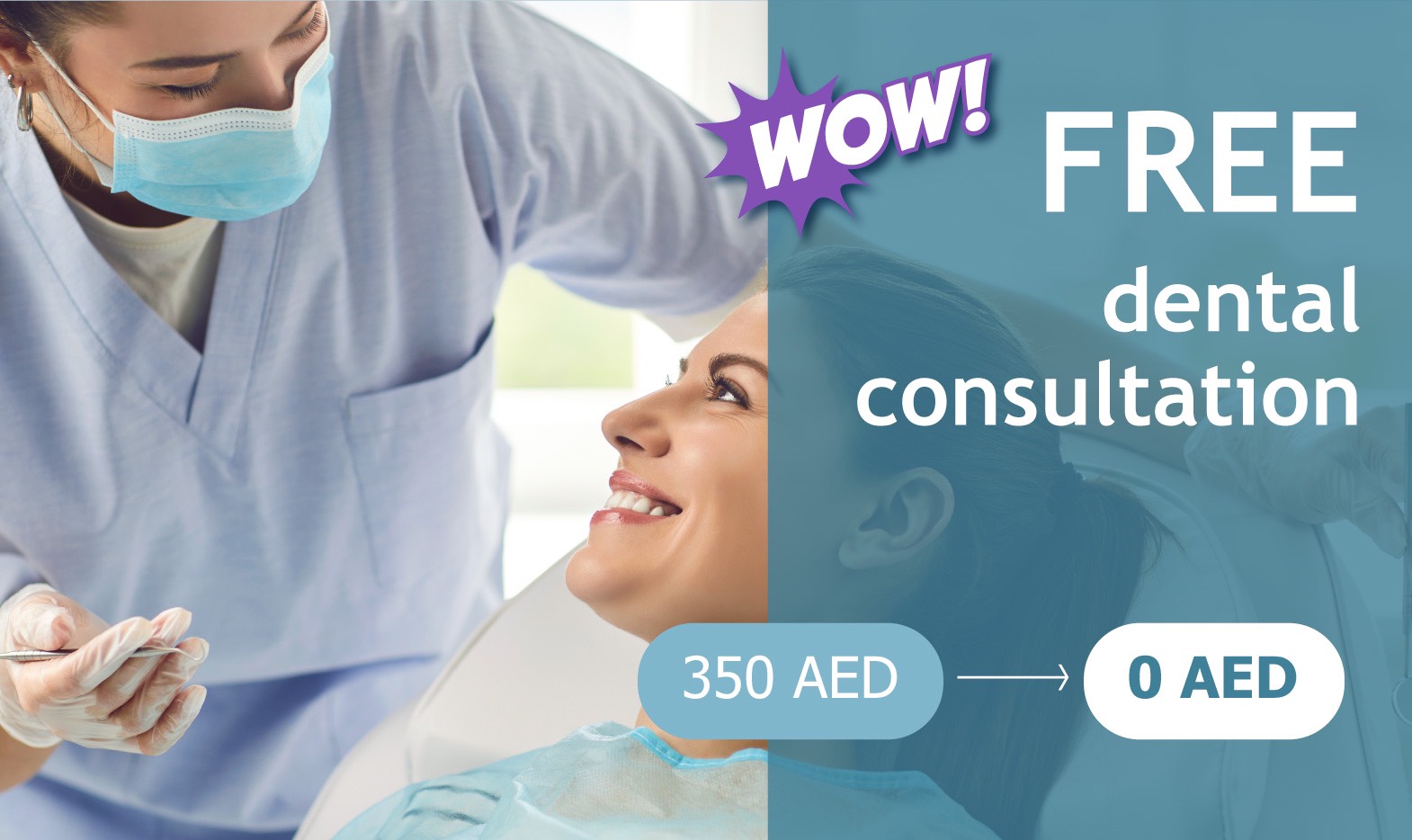
The Factor Smile clinic has a special offer for new patients - a free consultation with a dentist. Depending on the problem you are contacting us with, you can get a consultation from the following specialists: therapist, surgeon, orthopedist, orthodontist.
CONSULTATION INCLUDES:
-

Professional examination by a highly qualified doctor.
-

Treatment plan
Based on the results of the examination, an individual plan will be created for you with detailed information on the stages of treatment and an indication of the current cost.
Book a consultation.
Don't put off taking care of your smile.
Contact us by phone
+971 58 524 4003
WhatsApp
We use cookies!
We use cookies to make the site convenient to use. More detailed information can be found in privacy policy.Accept