
Vegetarianism and Teeth: How to Avoid Mineral Deficiency

The vegetarian lifestyle is gaining popularity in Dubai and around the world. People choose to give up animal products for ethical, environmental, or medical reasons. However, despite the benefits of plant-based nutrition, an important question arises: how does vegetarianism affect the health of teeth and gums? After all, this dietary system has a risk of mineral deficiency, which is necessary for strong enamel and bones. In this article, specialists from the Factor Smile clinic will explain which trace elements are especially important, how to replenish them, and what dental solutions will help maintain a beautiful smile.
Why are minerals so important for teeth
Minerals are the real building material for tooth enamel and bone tissue. They form a strong protective barrier that allows teeth to cope with daily stresses — chewing food, the effects of acids and bacteria. When there is a lack of minerals, enamel loses its density, becomes thinner and more vulnerable. In such conditions, teeth react faster to cold, hot, or sweet, and the risk of caries increases several times. A deficiency of minerals also directly affects the health of the gums: they become more susceptible to inflammation, there is a tendency to bleeding and periodontitis.
For people following a vegetarian diet, the risk of deficiency is particularly high, as many basic sources of calcium, vitamin D, and B12 are traditionally associated with animal products: dairy products, fish, and meat. Without proper replacement of these products, the diet may become unbalanced, and over time this will affect the condition of the teeth and bones.
Key minerals and vitamins for dental health:
- Calcium — the main "brick" of teeth and bones. A deficiency leads to brittle teeth, faster wear, and incorrect bite formation. Calcium is also important for the jawbone, which holds the teeth and implants.
- Phosphorus — together with calcium, forms the basis of the crystalline lattice of enamel and dentin. Its deficiency leads to a disruption in mineralization, and teeth become less resistant to caries.
- Magnesium — regulates the exchange of calcium and participates in the formation of dense dentin. A deficiency of magnesium leads to poor absorption of calcium, and this weakens the enamel even with sufficient intake.
- Vitamin D — a key helper for calcium. Without it, minerals simply do not integrate into bone and tooth tissue. A deficiency of vitamin D often leads to osteoporosis, bleeding gums, and increased tooth sensitivity.
- Vitamin B12 — vital for the normal functioning of the nervous system and blood formation. Its deficiency may manifest as sores and burning in the mouth, chronic stomatitis, as well as pallor and inflammation of the mucous membranes.
It is the balanced intake of these substances that allows to maintain strong enamel, healthy gums, and a beautiful smile for many years. When switching to a vegetarian diet, dentists recommend paying special attention to the level of calcium, vitamin D, and B12 — both in the diet and, if necessary, with the help of biologically active additives prescribed by a doctor.
How Veganism Affects Teeth and Gums
Strict vegetarian nutrition involves several typical risks for dental and gum health, related to a deficiency of certain trace elements and the peculiarities of the diet:
- Enamel demineralization — occurs due to a lack of calcium and vitamin D, which are responsible for the density and strength of dental tissue. The enamel gradually thins out, becomes porous, and is less resistant to the action of acids. As a result, the risk of the formation of microcracks and the development of caries increases, even with good oral care.
- Increased tooth sensitivity — one of the most common symptoms in vegan patients. A deficiency of minerals and the destruction of the enamel expose the dentin — a softer tissue of the tooth, rich in nerve endings. Due to this, a person begins to feel discomfort when consuming cold drinks, hot food, or acidic fruits.
- Stomatitis and inflammation of the gums — often associated with a lack of vitamin B12. It plays a key role in the work of the nervous system and blood formation. A deficiency of this vitamin manifests as dry mouth, the appearance of painful sores, burning of the tongue, and inflammation of the mucous membrane. Such conditions cause significant discomfort and require professional treatment.
- Increased risk of caries — in vegetarian nutrition, the diet is rich in carbohydrates: fruits, dried fruits, honey, plant desserts. Sugars become a nutrient medium for bacteria that form plaque and acids. If this is added to a deficiency of calcium and fluoride, the risk of multiple caries significantly increases.
It is important to understand that such changes do not occur immediately. Usually, dentists start to notice the first signs of problems after 1–2 years of strict veganism, especially if the diet is not balanced and is not controlled by a doctor or a dietitian. Timely visits to the clinic allow for the detection of early changes and the prevention of serious complications.
Dental Health in Teenage Vegans
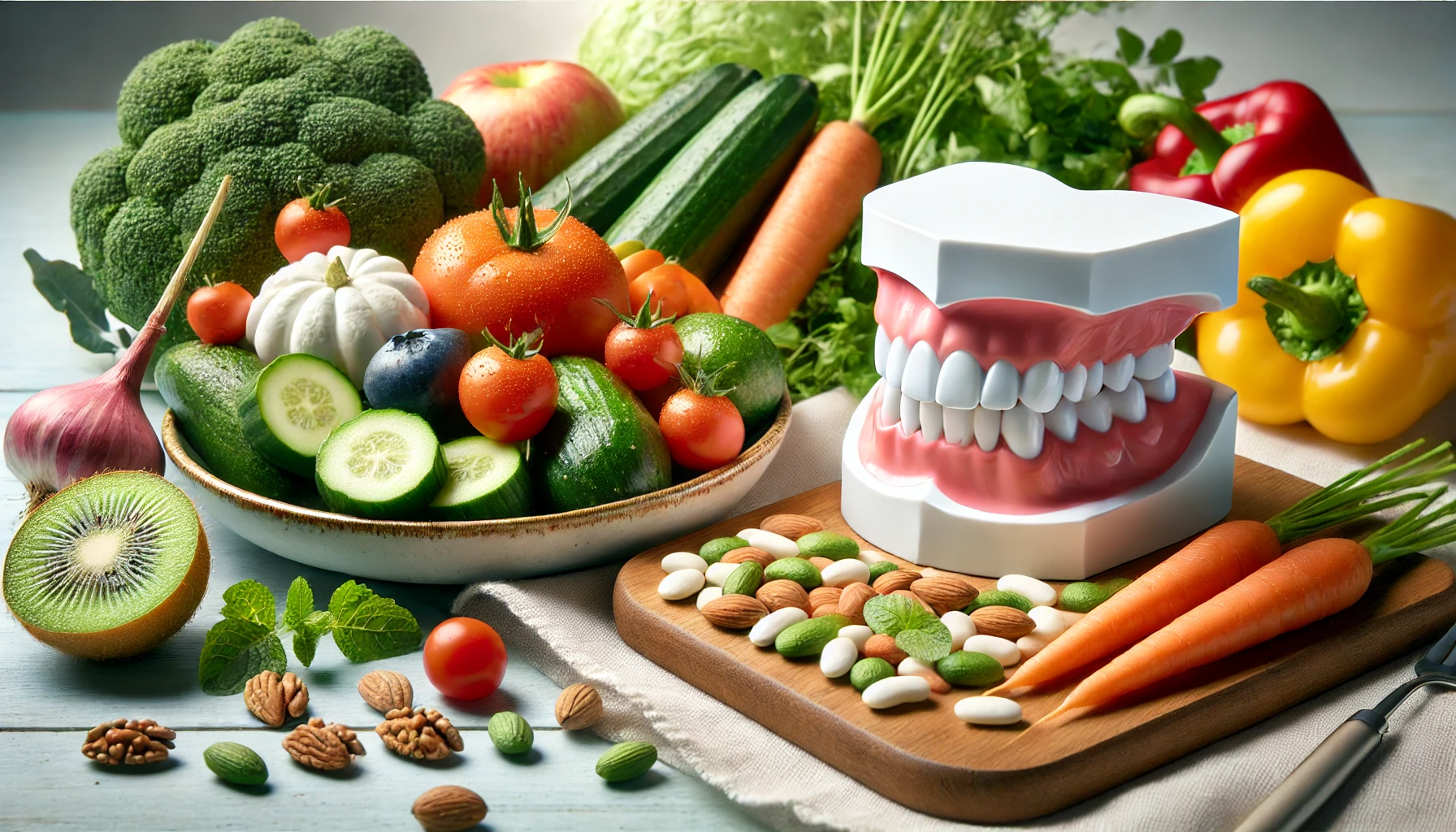
Doctors at Factor Smile pay special attention to teenagers who are switching to vegan nutrition. It is at this age that permanent teeth are formed, the jawbone is strengthened, and the bite is established, which will last a lifetime. A deficiency of minerals and vitamins during this period can lead not only to increased brittleness of the enamel but also to more serious problems: delayed eruption of teeth, malocclusion, and even delayed growth of the jawbone tissue.
Risks for teenage vegans include:
- deficiency of calcium and vitamin D, which weakens the enamel and makes it more susceptible to cavities;
- deficiency of vitamin B12, manifested by inflammation of the gums, frequent stomatitis, and increased fatigue;
- the possibility of delayed formation of the dentofacial system and the need for orthodontic intervention in the future;
- an increased risk of enamel erosion due to a large number of fruits and acidic juices in the diet.
For parents, it is important to understand that a vegan teenager should receive an adequate amount of calcium, vitamin D, and B12 not only from plant products (fortified beverages, green vegetables, seeds, nuts) but also, if necessary, from specialized supplements prescribed by a doctor. Nutrition control during this age period plays a key role in forming a healthy smile.
The Factor Smile clinic conducts comprehensive diagnostics: X-rays to assess the condition of the jawbone, 3D scanning to control the correctness of the bite, and a detailed check of the condition of the tooth enamel. This approach helps to detect the first signs of deficiency at an early stage and correct the diet or prescribe supportive therapy in time.
Regular visits to the dentist not only allow for monitoring the formation of teeth but also give teenagers confidence that their smile is developing correctly, and parents can be at ease about their children's health.
Which Products Will Help to Compensate for Deficiency
Vegans need to carefully approach the choice of their diet. Here is a list of products that help maintain dental health:
- Soy products (tofu, soy milk, yogurt with added calcium).
- Nuts and seeds (sesame, almonds, chia seeds, pumpkin seeds).
- Green leafy vegetables (spinach, broccoli, kale).
- Fortified plant beverages with calcium and vitamin D.
- Yeast supplements and products with vitamin B12.
At the same time, doctors recommend not to overindulge in fruits with high acid content (citrus fruits, pineapple, pomegranate), as they can further damage the enamel.
Clinical Approaches in Dentistry
Modern dentistry allows for timely detection of mineral deficiencies and their consequences for teeth. The following methods are used at Factor Smile:
- Radiological diagnosis and CT for assessing bone tissue density.
- 3D scanning for tracking changes in bite and enamel structure.
- Saliva analysis for detecting mineralization and pH balance.
- Fluoridation and remineralizing therapy for enamel restoration.
- Professional hygiene using Air-Flow for removing plaque from plant-based foods.
Dentists' Recommendations for Vegans

To maintain a healthy smile, dentists recommend adhering to simple rules:
- Regular dental check-ups — not less than 2 times a year.
- Use toothpaste and mouthwashes with fluoride.
- Monitor the balance of vitamins and minerals in your diet.
- Reduce the amount of acidic fruits and sweet snacks.
- As needed, take vitamin supplements prescribed by a doctor.
This approach helps to minimize risks and enjoy the benefits of a plant-based diet without harming your teeth.
Technologies at Factor Smile
The Factor Smile clinic in Dubai offers patients an international level of dental care. We use digital diagnostics, modern materials for treatment and aesthetics, and pay attention to prevention, which is especially important for people with special dietary habits. Our patients receive:
- individual programs for preventing caries and gum diseases;
- support from nutrition and dental specialists;
- comfortable treatment in a cozy atmosphere;
- the opportunity for consultations with an international team of doctors.
Take a Step Towards a Healthy Smile
If you follow a vegan lifestyle and want to make sure that your teeth receive all the necessary protection, schedule a consultation at the Factor Smile clinic in Dubai. We will help maintain the health of your oral cavity and offer personalized solutions for you and your family.

Book a consultation.
Don't put off taking care of your smile.
Contact us by phone
+971 58 524 4003
WhatsApp
Online booking
Special offer!
Free dental consultation!

The Factor Smile clinic has a special offer for new patients - a free consultation with a dentist. Depending on the problem you are contacting us with, you can get a consultation from the following specialists: therapist, surgeon, orthopedist, orthodontist.
CONSULTATION INCLUDES:
-

Professional examination by a highly qualified doctor.
-

Treatment plan
Based on the results of the examination, an individual plan will be created for you with detailed information on the stages of treatment and an indication of the current cost.
Book a consultation.
Don't put off taking care of your smile.
Contact us by phone
+971 58 524 4003
WhatsApp
We use cookies!
We use cookies to make the site convenient to use. More detailed information can be found in privacy policy.Accept